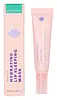
This hydrating lip mask is formulated around Resveratrol and Hyaluronic Acid to hydrate lips and soften the look of wrinkles.
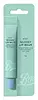
This barrier-repair lip moisturizer is formulated around Petrolatum and Caprylic/Capric Triglyceride to strengthen the lip barrier and hydrate lips.

What's inside
What's inside
 Key Ingredients
Benefits
Concerns
Ingredients Side-by-side
Resveratrol
Antioxidant




Hyaluronic Acid
Humectant



Polyhydroxystearic Acid
Emulsifying

Canola Oil
Emollient



Ethylhexylglycerin
Skin ConditioningDipotassium Glycyrrhizate
Humectant
Benzotriazolyl Dodecyl P-Cresol
UV AbsorberPolyglyceryl-2 Triisostearate
Emulsifying
Tocopherol
Antioxidant

Daucus Carota Sativa Seed Oil
Emollient
Daucus Carota Sativa Root Extract
Skin Conditioning
Tocopheryl Acetate
Antioxidant
Helianthus Annuus Seed Oil
Emollient
Water
Skin ConditioningButylene Glycol
Humectant
Urea
Buffering

Yeast Amino Acids
Humectant1,2-Hexanediol
Skin Conditioning
Betaine
Humectant
Trehalose
Humectant
Inositol
Humectant
Taurine
BufferingPotassium Sorbate
Preservative
Phenoxyethanol
Preservative
Parfum
Masking


Limonene
Perfuming
Linalool
Perfuming
Citral
Perfuming
Citronellol
Perfuming
CI 15850
Cosmetic ColorantBeta-Carotene
Skin ConditioningResveratrol, Hyaluronic Acid, Polyhydroxystearic Acid, Canola Oil, Ethylhexylglycerin, Dipotassium Glycyrrhizate, Benzotriazolyl Dodecyl P-Cresol, Polyglyceryl-2 Triisostearate, Tocopherol, Daucus Carota Sativa Seed Oil, Daucus Carota Sativa Root Extract, Tocopheryl Acetate, Helianthus Annuus Seed Oil, Water, Butylene Glycol, Urea, Yeast Amino Acids, 1,2-Hexanediol, Betaine, Trehalose, Inositol, Taurine, Potassium Sorbate, Phenoxyethanol, Parfum, Limonene, Linalool, Citral, Citronellol, CI 15850, Beta-Carotene
Paraffinum Liquidum
Emollient
Petrolatum
Emollient
Ethylhexyl Palmitate
Emollient
Microcrystalline Wax
Emulsion StabilisingTrihydroxystearin
Skin Conditioning
Hydrogenated Styrene/Isoprene Copolymer
Paraffin
Skin Conditioning
Caprylic/Capric Triglyceride
Masking
Silica Dimethyl Silylate
EmollientIsopropyl Myristate
Emollient
Parfum
Masking
Glyceryl Caprylate
EmollientBHT
Antioxidant
Limonene
Perfuming
Pentaerythrityl Tetra-Di-T-Butyl Hydroxyhydrocinnamate
Antioxidant
Paraffinum Liquidum, Petrolatum, Ethylhexyl Palmitate, Microcrystalline Wax, Trihydroxystearin, Hydrogenated Styrene/Isoprene Copolymer, Paraffin, Caprylic/Capric Triglyceride, Silica Dimethyl Silylate, Isopropyl Myristate, Parfum, Glyceryl Caprylate, BHT, Limonene, Pentaerythrityl Tetra-Di-T-Butyl Hydroxyhydrocinnamate
Reviews
Alternatives
Ingredients Explained
These ingredients are found in both products.
Ingredients higher up in an ingredient list are typically present in a larger amount.
Limonene is the compound that gives citrus peel its smell.
In skincare, it shows up as a standalone fragrance ingredient or as a natural compound of citrus and other essential oils.
You'll typically see this ingredient used in very small amounts; anything above 0.001% in a leave-on product or 0.01% in a rinse-off has to be named on the label in the EU. The citrus oils that carry it sit around 0.5-1% in a finished formula.
Fresh limonene is a weak allergen; the real issue is that it slowly reacts with air and then breaks down from oxidation to create hydroperoxides (which are strong sensitizers). This is why suppliers are required to keep the peroxide value below 20 mmol.
Positive reactions in people being investigated for eczema vary:
It's worth skipping if you have a known fragrance allergy or a compromised barrier, but the risk is low for most people.
Older or long-opened products are also more likely to bother you than fresh ones due to oxidation.
Learn more about LimoneneParfum is a catch-all term for an ingredient or more that is used to give a scent to products.
Also called "fragrance", this ingredient can be a blend of hundreds of chemicals or plant oils. This means every product with "fragrance" or "parfum" in the ingredients list is a different mixture.
For instance, Habanolide is a proprietary trade name for a specific aroma chemical. When used as a fragrance ingredient in cosmetics, most aroma chemicals fall under the broad labeling category of “FRAGRANCE” or “PARFUM” according to EU and US regulations.
The term 'parfum' or 'fragrance' is not regulated in many countries. In many cases, it is up to the brand to define this term.
For instance, many brands choose to label themselves as "fragrance-free" because they are not using synthetic fragrances. However, their products may still contain ingredients such as essential oils that are considered a fragrance by INCI standards.
One example is Calendula flower extract. Calendula is an essential oil that still imparts a scent or 'fragrance'.
Depending on the blend, the ingredients in the mixture can cause allergies and sensitivities on the skin. Some ingredients that are known EU allergens include linalool and citronellol.
Parfum can also be used to mask or cover an unpleasant scent.
The bottom line is: not all fragrances/parfum/ingredients are created equally. If you are worried about fragrances, we recommend taking a closer look at an ingredient. And of course, we always recommend speaking with a professional.
Learn more about Parfum

