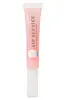
This barrier-repair lip moisturizer is formulated around Honey and Panthenol to strengthen the lip barrier and hydrate lips.
This anti-aging lip moisturizer is formulated around Butyrospermum Parkii Butter and Palmitoyl Tripeptide-1 to soften the look of wrinkles and hydrate lips.


What's inside
What's inside
 Key Ingredients
Benefits
Concerns
Ingredients Side-by-side
Acrylates Copolymer
Octyldodecanol
Emollient
Polymethylsilsesquioxane/Silica Crosspolymer
Water
Skin ConditioningCetyl PEG/PPG-10/1 Dimethicone
Emulsifying
Glycerin
Humectant


Honey
Humectant
Panthenol
Skin Conditioning

Lycium Barbarum Fruit Extract
Astringent
Sodium Hyaluronate
Humectant

Mentha Piperita Oil
Masking







Aloe Barbadensis Leaf Juice Powder
Skin Conditioning
Palmitoyl Hexapeptide-14
Skin Conditioning
Niacinamide
Smoothing






Benzyl Nicotinate
Skin ConditioningCapsicum Annuum Resin
Skin ConditioningPhenoxyethanol
Preservative
Disteardimonium Hectorite
StabilisingAluminum Starch Octenylsuccinate
Absorbent
Silica
Abrasive
Propylene Carbonate
SolventPEG/PPG-18/18 Dimethicone
Emulsifying
Dimethicone
Emollient
Benzyl Alcohol
Perfuming

Sucralose
Skin ConditioningButylene Glycol
Humectant
Polysorbate 20
Emulsifying
Parfum
Masking
Ethoxydiglycol
HumectantSodium Benzoate
Masking
Coumarin
Perfuming
Limonene
Perfuming
CI 16035
Cosmetic ColorantAcrylates Copolymer, Octyldodecanol, Polymethylsilsesquioxane/Silica Crosspolymer, Water, Cetyl PEG/PPG-10/1 Dimethicone, Glycerin, Honey, Panthenol, Lycium Barbarum Fruit Extract, Sodium Hyaluronate, Mentha Piperita Oil, Aloe Barbadensis Leaf Juice Powder, Palmitoyl Hexapeptide-14, Niacinamide, Benzyl Nicotinate, Capsicum Annuum Resin, Phenoxyethanol, Disteardimonium Hectorite, Aluminum Starch Octenylsuccinate, Silica, Propylene Carbonate, PEG/PPG-18/18 Dimethicone, Dimethicone, Benzyl Alcohol, Sucralose, Butylene Glycol, Polysorbate 20, Parfum, Ethoxydiglycol, Sodium Benzoate, Coumarin, Limonene, CI 16035
Hydrogenated Polyisobutene
EmollientDiisostearyl Malate
EmollientButyrospermum Parkii Butter
Skin Conditioning

Polybutene
Microcrystalline Wax
Emulsion StabilisingSynthetic Beeswax
Emulsion Stabilising
Synthetic Wax
Abrasive
Octyldodecanol
Emollient
Hydrogenated Poly(C6-14 Olefin)
EmollientPolyglyceryl-2 Triisostearate
Emulsifying
Dimer Dilinoleyl Dimer Dilinoleate
EmollientGlyceryl Behenate/Eicosadioate
Emollient
Triethyl Citrate
Masking
Tocopherol
Antioxidant

Tocopheryl Acetate
Antioxidant
Tetrahexyldecyl Ascorbate
Antioxidant
Palmitoyl Tripeptide-1
Skin Conditioning
Orbignya Oleifera Seed Oil
Emollient
Theobroma Grandiflorum Seed Butter
Skin Conditioning
Lactic Acid
Buffering
Tribehenin
Emollient
Stevioside
MaskingEthylhexyl Palmitate
Emollient
Sorbitan Isostearate
Emulsifying
Synthetic Fluorphlogopite
Disteardimonium Hectorite
StabilisingO-Cymen-5-Ol
Antimicrobial
Hydrogenated Polyisobutene, Diisostearyl Malate, Butyrospermum Parkii Butter, Polybutene, Microcrystalline Wax, Synthetic Beeswax, Synthetic Wax, Octyldodecanol, Hydrogenated Poly(C6-14 Olefin), Polyglyceryl-2 Triisostearate, Dimer Dilinoleyl Dimer Dilinoleate, Glyceryl Behenate/Eicosadioate, Triethyl Citrate, Tocopherol, Tocopheryl Acetate, Tetrahexyldecyl Ascorbate, Palmitoyl Tripeptide-1, Orbignya Oleifera Seed Oil, Theobroma Grandiflorum Seed Butter, Lactic Acid, Tribehenin, Stevioside, Ethylhexyl Palmitate, Sorbitan Isostearate, Synthetic Fluorphlogopite, Disteardimonium Hectorite, O-Cymen-5-Ol
Reviews
Alternatives
Ingredients Explained
These ingredients are found in both products.
Ingredients higher up in an ingredient list are typically present in a larger amount.
Disteardimonium Hectorite comes from the clay mineral named hectorite. It is used to add thickness to a product.
It can also help stabilize a product by helping to disperse other ingredients.
Hectorite is a rare, white clay mineral.
Learn more about Disteardimonium HectoriteOctyldodecanol is a fatty alcohol sourced from plant oils like coconut or palm (or made synthetically).
It is:
You'll likely see this in many BHA products because this is the go-to solvent for salicylic acid.
This ingredient is typically used at levels between 2-20%.
Regarding fungal acne:
In 2019, this ingredient was tested against multiple Malassezia species (the yeast that causes fungal acne) and showed no growth.


