

What's inside
What's inside
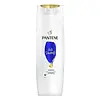 Key Ingredients
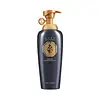
No key ingredients
Benefits
Concerns
Ingredients Side-by-side
Water
Skin ConditioningSodium Lauryl Sulfate
Cleansing




Sodium Laureth Sulfate
Cleansing
Sodium Chloride
MaskingCocamidopropyl Betaine
Cleansing
Dimethicone
Emollient

Glycol Distearate
Emollient
Parfum
Masking

Zinc Pyrithione
Antiseborrhoeic
Sodium Citrate
BufferingCocamide Mea
Emulsifying
Sodium Xylenesulfonate
Sodium Benzoate
Masking
Guar Hydroxypropyltrimonium Chloride
Skin ConditioningCitric Acid
Buffering

Benzyl Alcohol
Perfuming

Panthenol
Skin Conditioning



Panthenyl Ethyl Ether
Methylchloroisothiazolinone
Preservative
Methylisothiazolinone
Preservative
Water, Sodium Lauryl Sulfate, Sodium Laureth Sulfate, Sodium Chloride, Cocamidopropyl Betaine, Dimethicone, Glycol Distearate, Parfum, Zinc Pyrithione, Sodium Citrate, Cocamide Mea, Sodium Xylenesulfonate, Sodium Benzoate, Guar Hydroxypropyltrimonium Chloride, Citric Acid, Benzyl Alcohol, Panthenol, Panthenyl Ethyl Ether, Methylchloroisothiazolinone, Methylisothiazolinone
Water
Skin ConditioningChrysanthemum Sibiricum Extract
AntimicrobialSodium Laureth Sulfate
Cleansing
Gleditsia Australis Fruit Extract
Skin ConditioningSodium Lauryl Sulfate
Cleansing
Rehmannia Glutinosa Root Extract
Skin ConditioningBiota Orientalis Leaf Extract
HumectantCocamidopropyl Betaine
Cleansing
Dimethicone
Emollient
Sophora Flavescens Root Extract
Antioxidant
Morus Alba Root Extract
BleachingAcorus Gramineus Root/Stem Extract
Skin ConditioningVitex Trifolia Fruit Extract
Skin ConditioningEuphorbia Longan Fruit Extract
Skin ConditioningPEG-7 Glyceryl Cocoate
Emulsifying
Parfum
Masking
Cnidium Officinale Root Extract
Skin ConditioningArtemisia Vulgaris Extract
Skin Conditioning
Cocamide Mea
Emulsifying
Panax Ginseng Root Extract
Emollient
Decylene Glycol
Skin ConditioningQuaternium-60
Carbomer
Emulsion StabilisingTriethanolamine
BufferingPanthenol
Skin Conditioning
Butylene Glycol
Humectant
Menthol
Masking
Steareth-20
CleansingHydroxyacetophenone
Antioxidant
Steareth-2
EmulsifyingCrinum Asiaticum Extract
Skin ConditioningLauramine Oxide
CleansingDisodium EDTA
ChelatingTocopheryl Acetate
Antioxidant
Propylene Glycol
Humectant
Oak Vinegar
Skin ConditioningPortulaca Oleracea Extract
Skin Conditioning
Water, Chrysanthemum Sibiricum Extract, Sodium Laureth Sulfate, Gleditsia Australis Fruit Extract, Sodium Lauryl Sulfate, Rehmannia Glutinosa Root Extract, Biota Orientalis Leaf Extract, Cocamidopropyl Betaine, Dimethicone, Sophora Flavescens Root Extract, Morus Alba Root Extract, Acorus Gramineus Root/Stem Extract, Vitex Trifolia Fruit Extract, Euphorbia Longan Fruit Extract, PEG-7 Glyceryl Cocoate, Parfum, Cnidium Officinale Root Extract, Artemisia Vulgaris Extract, Cocamide Mea, Panax Ginseng Root Extract, Decylene Glycol, Quaternium-60, Carbomer, Triethanolamine, Panthenol, Butylene Glycol, Menthol, Steareth-20, Hydroxyacetophenone, Steareth-2, Crinum Asiaticum Extract, Lauramine Oxide, Disodium EDTA, Tocopheryl Acetate, Propylene Glycol, Oak Vinegar, Portulaca Oleracea Extract
Ingredients Explained
These ingredients are found in both products.
Ingredients higher up in an ingredient list are typically present in a larger amount.
This ingredient is made by combining the fatty acids from coconut oil with monoethanolamine. It is an emulsifier that helps boost foam, thicken texture, and help keep ingredients together in a formula.
Cocamidopropyl Betaine is a fatty acid created by mixing similar compounds in coconut oil and dimethylaminopropylamine, a compound with two amino groups.
This ingredient is a surfactant and cleanser. It helps gather the dirt, pollutants, and other impurities in your skin to be washed away. It also helps thicken a product and make the texture more creamy.
Being created from coconut oil means Cocamidopropyl Betaine is hydrating for the skin.
While Cocamidopropyl Betaine was believed to be an allergen, a study from 2012 disproved this. It found two compounds in unpure Cocamidopropyl Betaine to be the irritants: aminoamide and 3-dimethylaminopropylamine. High-grade and pure Cocamidopropyl Betaine did not induce allergic reactions during this study.
Learn more about Cocamidopropyl BetaineDimethicone is a type of synthetic silicone created from natural materials such as quartz. It is also known as polydimethylsiloxane.
What it does:
Dimethicone comes in different viscosities:
Depending on the viscosity, dimethicone has different properties.
Ingredients lists don't always show which type is used, so we recommend reaching out to the brand if you have questions about the viscosity.
This ingredient is unlikely to cause irritation because it does not get absorbed into skin. However, people with silicone allergies should be careful about using this ingredient.
Note: Dimethicone may contribute to pilling. This is because it is not oil or water soluble, so pilling may occur when layered with products. When mixed with heavy oils in a formula, the outcome is also quite greasy.
Learn more about DimethiconePanthenol is a common ingredient that helps hydrate and soothe the skin. It is found naturally in our skin and hair.
There are two forms of panthenol: D and L.
D-panthenol is also known as dexpanthenol. Most cosmetics use dexpanthenol or a mixture of D and L-panthenol.
Panthenol is famous due to its ability to go deeper into the skin's layers. Using this ingredient has numerous pros (and no cons):
Like hyaluronic acid, panthenol is a humectant. Humectants are able to bind and hold large amounts of water to keep skin hydrated.
This ingredient works well for wound healing. It works by increasing tissue in the wound and helps close open wounds.
Once oxidized, panthenol converts to pantothenic acid. Panthothenic acid is found in all living cells.
This ingredient is also referred to as pro-vitamin B5.
Learn more about PanthenolParfum is a catch-all term for an ingredient or more that is used to give a scent to products.
Also called "fragrance", this ingredient can be a blend of hundreds of chemicals or plant oils. This means every product with "fragrance" or "parfum" in the ingredients list is a different mixture.
For instance, Habanolide is a proprietary trade name for a specific aroma chemical. When used as a fragrance ingredient in cosmetics, most aroma chemicals fall under the broad labeling category of “FRAGRANCE” or “PARFUM” according to EU and US regulations.
The term 'parfum' or 'fragrance' is not regulated in many countries. In many cases, it is up to the brand to define this term.
For instance, many brands choose to label themselves as "fragrance-free" because they are not using synthetic fragrances. However, their products may still contain ingredients such as essential oils that are considered a fragrance by INCI standards.
One example is Calendula flower extract. Calendula is an essential oil that still imparts a scent or 'fragrance'.
Depending on the blend, the ingredients in the mixture can cause allergies and sensitivities on the skin. Some ingredients that are known EU allergens include linalool and citronellol.
Parfum can also be used to mask or cover an unpleasant scent.
The bottom line is: not all fragrances/parfum/ingredients are created equally. If you are worried about fragrances, we recommend taking a closer look at an ingredient. And of course, we always recommend speaking with a professional.
Learn more about ParfumSodium Laureth Sulfate (SLES) is a foaming, cleansing, and emulsifying ingredient. It is created from palm kernel oil or coconut oil. SLES is not the same as sodium lauryl sulfate. It is much milder and less likely to irritate.
SLES helps create foam in personal products. It also prevents ingredients from separating, helping to elongate the shelf life.
Sodium Laureth Sulfate is a type of sulfate. It can be drying. We recommend speaking with a professional about using this ingredient if you have concerns.
Learn more about Sodium Laureth SulfateSodium Lauryl Sulfate (SLS) is a surfactant, cleansing agent, and foaming agent. You'll find it in a wide range of products from shampoos to face cleansers.
SLS has two main roles:
The Cosmetic Ingredient Review Panel has assessed it in 1983, 2002, and 2005 and found it to be safe in formulations at low concentrations.
SLS is a well-documented skin irritant at higher concentrations or with prolonged exposure. It's actually the gold standard positive control used in dermatological patch testing, meaning doctors use it because they know it will cause a reaction in people.
In one large study of 43,000 patiences tested with 0.25% SLS, about 22% showed some level of reactivity. It increases transepidermal water loss that disrupts your outermost layer of skin.
Face cleansers often pair this ingredient with mild co-surfactants like Cocamidopropyl Betaine to buffer its harshness.
Just so you know, SLS does not trigger true allergic contact dermatitis. This just means it can irritate your skin but doesn't cause your immune system to develop a lasting allergy to it.
Despite internet rumors, SLS is not considered a carcinogen by any major regulatory body.
Learn more about Sodium Lauryl SulfateWater. It's the most common cosmetic ingredient of all. You'll usually see it at the top of ingredient lists, meaning that it makes up the largest part of the product.
So why is it so popular? Water most often acts as a solvent - this means that it helps dissolve other ingredients into the formulation.
You'll also recognize water as that liquid we all need to stay alive. If you see this, drink a glass of water. Remember to stay hydrated!
Learn more about Water

