Panoxyl PM Balancing Repair Moisturizer Versus Cetaphil Pro Acne Prone Oil-Free Moisturising Lotion SPF 25
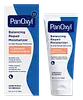
This barrier-repair night moisturizer is formulated around Niacinamide and Linoleic Acid to strengthen the skin barrier and calm redness.
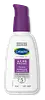
This oil-control day moisturizer is formulated around Hydroxypalmitoyl Sphinganine and Zinc Gluconate to balance excess oil and clear breakouts.

What's inside
What's inside
 Key Ingredients
Benefits
Concerns
Ingredients Side-by-side
Water
Skin ConditioningGlycerin
Humectant


Niacinamide
Smoothing









Hydroxyethyl Acrylate/Sodium Acryloyldimethyl Taurate Copolymer
Emulsion StabilisingLinoleic Acid
Cleansing

Phospholipids
Skin Conditioning
Sphingolipids
Emollient
Tocopherol
Antioxidant

Sodium Hyaluronate
Humectant
Centella Asiatica Extract
Cleansing
Allantoin
Skin Conditioning
Phenylpropanol
Masking

Hydroxyacetophenone
Antioxidant
Propanediol
Solvent
Caprylyl Glycol
Emollient
Oleic Acid
Emollient


Palmitic Acid
Emollient
Polysorbate 60
Emulsifying
Sorbitan Isostearate
Emulsifying
Stearic Acid
Cleansing
Tetrasodium Glutamate Diacetate
1,2-Hexanediol
Skin Conditioning
Linolenic Acid
Cleansing
Polylysine
Pentylene Glycol
Skin Conditioning
Water, Glycerin, Niacinamide, Hydroxyethyl Acrylate/Sodium Acryloyldimethyl Taurate Copolymer, Linoleic Acid, Phospholipids, Sphingolipids, Tocopherol, Sodium Hyaluronate, Centella Asiatica Extract, Allantoin, Phenylpropanol, Hydroxyacetophenone, Propanediol, Caprylyl Glycol, Oleic Acid, Palmitic Acid, Polysorbate 60, Sorbitan Isostearate, Stearic Acid, Tetrasodium Glutamate Diacetate, 1,2-Hexanediol, Linolenic Acid, Polylysine, Pentylene Glycol
Water
Skin ConditioningOctocrylene
UV Absorber


Isopropyl Lauroyl Sarcosinate
Skin ConditioningEthylhexyl Salicylate
UV Absorber
Glycerin
Humectant
Dimethicone
Emollient
Butyl Methoxydibenzoylmethane
UV Absorber
Diisopropyl Sebacate
EmollientSucrose Tristearate
Emollient
Aluminum Starch Octenylsuccinate
Absorbent
Silica
Abrasive
Polymethyl Methacrylate
Polysorbate 61
Emulsifying
Pentylene Glycol
Skin Conditioning
Allantoin
Skin Conditioning
Caprylyl Glycol
Emollient
Carbomer
Emulsion StabilisingDimethiconol
Emollient
Disodium EDTA
Glycyrrhetinic Acid
Skin Conditioning
Hydroxypalmitoyl Sphinganine
Skin Conditioning
Panthenol
Skin Conditioning
Phenoxyethanol
Preservative
Potassium Sorbate
Preservative
Sodium Stearoyl Glutamate
CleansingTocopheryl Acetate
Antioxidant
Triethanolamine
BufferingXanthan Gum
EmulsifyingZinc Gluconate
Skin Conditioning
Water, Octocrylene, Isopropyl Lauroyl Sarcosinate, Ethylhexyl Salicylate, Glycerin, Dimethicone, Butyl Methoxydibenzoylmethane, Diisopropyl Sebacate, Sucrose Tristearate, Aluminum Starch Octenylsuccinate, Silica, Polymethyl Methacrylate, Polysorbate 61, Pentylene Glycol, Allantoin, Caprylyl Glycol, Carbomer, Dimethiconol, Disodium EDTA, Glycyrrhetinic Acid, Hydroxypalmitoyl Sphinganine, Panthenol, Phenoxyethanol, Potassium Sorbate, Sodium Stearoyl Glutamate, Tocopheryl Acetate, Triethanolamine, Xanthan Gum, Zinc Gluconate
Reviews
Ingredients Explained
These ingredients are found in both products.
Ingredients higher up in an ingredient list are typically present in a larger amount.
Allantoin is a soothing ingredient known for its protective and moisturizing properties; it's basically a quiet workhorse ingredient you can find in a huge range of cosmetics.
Though it can be derived from the comfrey plant, allantoin is produced synthetically for cosmetic products to ensure purity.
Research shows it can encourage your skin cells to turn over and renew by stimulating keratinocyte and fibroblast proliferation.
It also has mild keratolytic properties to help loosen and shed dead skin cells without being harsh.
Studies also suggest allantoin can help calm inflammation by dialing down some of the chemical signals your skin sends out when it is irritated.
This ingredient is typically used in the 0.1-0.5% range, and the FDA recognizes it as a skin protectant in OTC products up to 2%.
Overall, allantoin is a wonderful addition to most routines; it is stable across a wide pH range (~4-8), works well with other ingredients, and is considered non-sensitizing/non-irritating.
Fun fact: Allantoin is naturally occurring in comfrey root, beets, chamomile, and wheat sprouts. Our bodies even produce it as a byproduct of uric acid metabolism.
Learn more about AllantoinCaprylyl Glycol is a humectant, skin conditioner, emollient, and preservative booster derived from either caprylic acid or synthetically created.
Typical use levels vary from 0.3-1% as a preservative booster and go up to 2% to condition skin.
Because it is not a free-fatty acid, this ingredient is fungal acne safe (there's nothing for Malassezia to feed on).
Learn more about Caprylyl GlycolGlycerin (or glycerol) is a compound naturally found in your skin. It's a powerhouse humectant that pulls water into the stratum corneum.
Topically, glycerin does several things at once:
Your skin makes glycerin on its own (mostly from sebaceous oil breakdown) and shuttles it to your outermost layer of skin, or your epidermis, via aquaporin-3.
Aquaporin-3 is a transporter that is essential for normal skin hydration, elasticity, and repair. Interestingly, mice lacking in AQP3 have dry and less elastic skin that can be fully corrected with glycerin.
This ingredient is non-irritating, plays well with almost every ingredient, and works across all skin types. Typical use is anywhere between 3-10% but can go up to 79% in some leave-on products.
Just know very high concentrations (>40%) can feel tacky in low humidity.
Glycerin is the name for this ingredient in American English. British English uses Glycerol/Glycerine.
Learn more about GlycerinPentylene Glycol (1,2-pentanediol) is a multitasking little diol with three main roles in a formula:
Research on alkanediols (the family pentylene glycol belongs to) show they work by disrupting microbial cell membranes. This disruption helps the primary preservative system in a product work more effectively at lower doses.
On the safety side, the Cosmetic Ingredient Review Expert Panel has concluded this ingredient to be safe as used in current cosmetic practices + concentrations.
Typical use levels in a formula run about 1-5%.
Learn more about Pentylene GlycolWater. It's the most common cosmetic ingredient of all. You'll usually see it at the top of ingredient lists, meaning that it makes up the largest part of the product.
So why is it so popular? Water most often acts as a solvent - this means that it helps dissolve other ingredients into the formulation.
You'll also recognize water as that liquid we all need to stay alive. If you see this, drink a glass of water. Remember to stay hydrated!
Learn more about Water

