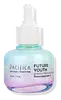
This anti-aging serum is formulated around Beta-Glucan and Acetyl Hexapeptide-8 to soften the look of wrinkles and strengthen the skin barrier.
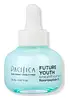
This anti-aging eye moisturizer is formulated around Aloe Barbadensis Leaf Juice and Acetyl Hexapeptide-8 to soften the look of wrinkles and hydrate skin.

What's inside
What's inside
 Key Ingredients
Benefits
Concerns
Ingredients Side-by-side
Water
Skin ConditioningGlycerin
Humectant


Beta-Glucan
Skin Conditioning

Leuconostoc/Radish Root Ferment Filtrate
Antimicrobial

Phaseolus Angularis Seed Extract
Antioxidant
Acetyl Hexapeptide-8
Humectant

Palmitoyl Tripeptide-5
Skin Conditioning
Trifluoroacetyl Tripeptide-2
Skin Conditioning
Sh-Polypeptide-50
Skin Conditioning
Caprooyl Tetrapeptide-3
Skin Protecting
Hydrolyzed Jojoba Esters
Skin Conditioning
Hydroxyethylcellulose
Emulsion StabilisingSorbitan Oleate Decylglucoside Crosspolymer
CleansingAloe Barbadensis Leaf Juice
Skin Conditioning
Leontopodium Alpinum Flower/Leaf Extract
Skin ConditioningFragaria Ananassa Seed Oil
Antioxidant
Acetic Acid
BufferingXanthan Gum
EmulsifyingBiosaccharide Gum-1
Humectant
Algin
Masking

Dextran
Potassium Sorbate
Preservative
Sodium Hyaluronate
Humectant
Saccharomyces/Xylinum/Black Tea Ferment
Skin Conditioning
Vanilla Planifolia Fruit Extract
Skin Conditioning
Cucumis Sativus Extract
Skin Conditioning
Passiflora Incarnata Flower Extract
Skin ConditioningPaeonia Albiflora Root Extract
Skin ConditioningOryza Sativa Extract
Absorbent
Saccharomyces Lysate
Skin Conditioning
Malpighia Glabra Fruit
Skin ConditioningCitric Acid
Buffering

Phenoxyethanol
Preservative
Ethylhexylglycerin
Skin ConditioningEctoin
Skin Conditioning
Camellia Oleifera Seed Oil
Skin Conditioning
Parfum
Masking


Water, Glycerin, Beta-Glucan, Leuconostoc/Radish Root Ferment Filtrate, Phaseolus Angularis Seed Extract, Acetyl Hexapeptide-8, Palmitoyl Tripeptide-5, Trifluoroacetyl Tripeptide-2, Sh-Polypeptide-50, Caprooyl Tetrapeptide-3, Hydrolyzed Jojoba Esters, Hydroxyethylcellulose, Sorbitan Oleate Decylglucoside Crosspolymer, Aloe Barbadensis Leaf Juice, Leontopodium Alpinum Flower/Leaf Extract, Fragaria Ananassa Seed Oil, Acetic Acid, Xanthan Gum, Biosaccharide Gum-1, Algin, Dextran, Potassium Sorbate, Sodium Hyaluronate, Saccharomyces/Xylinum/Black Tea Ferment, Vanilla Planifolia Fruit Extract, Cucumis Sativus Extract, Passiflora Incarnata Flower Extract, Paeonia Albiflora Root Extract, Oryza Sativa Extract, Saccharomyces Lysate, Malpighia Glabra Fruit, Citric Acid, Phenoxyethanol, Ethylhexylglycerin, Ectoin, Camellia Oleifera Seed Oil, Parfum
Water
Skin ConditioningAloe Barbadensis Leaf Juice
Skin Conditioning
Glycerin
Humectant
Caprylic/Capric Triglyceride
Masking
Helianthus Annuus Seed Oil
Emollient
Acetyl Hexapeptide-8
Humectant
Acetic Acid
BufferingGlyceryl Stearate
Emollient
Cetyl Alcohol
Emollient
Leuconostoc/Radish Root Ferment Filtrate
Antimicrobial
Phaseolus Angularis Seed Extract
Antioxidant
Citric Acid
Buffering
Albizia Julibrissin Bark Extract
MaskingDarutoside
Skin ConditioningStearic Acid
Cleansing
Palmitoyl Tripeptide-5
Skin Conditioning
Trifluoroacetyl Tripeptide-2
Skin Conditioning
Acmella Oleracea Extract
Skin ProtectingCaprooyl Tetrapeptide-3
Skin Protecting
Lactobacillus Ferment Lysate
Skin Conditioning
Fragaria Ananassa Seed Oil
Antioxidant
Ectoin
Skin Conditioning
Caffeine
Skin Conditioning
Sh-Polypeptide-50
Skin Conditioning
Potassium Sorbate
Preservative
Xanthan Gum
EmulsifyingTocopherol
Antioxidant
Glyceryl Stearate Citrate
Emollient
Dextran
Leontopodium Alpinum Flower/Leaf Extract
Skin ConditioningSaccharomyces/Xylinum/Black Tea Ferment
Skin Conditioning
Camellia Oleifera Seed Oil
Skin Conditioning
Vanilla Planifolia Fruit Extract
Skin Conditioning
Sodium Hyaluronate
Humectant
Ethylhexylglycerin
Skin ConditioningPassiflora Incarnata Flower Extract
Skin ConditioningPhenoxyethanol
Preservative
Paeonia Albiflora Root Extract
Skin ConditioningOryza Sativa Extract
Absorbent
Saccharomyces/Malus Pumila Fruit Ferment Filtrate
Emollient
Camellia Sinensis Leaf Extract
Antimicrobial

Punica Granatum Extract
AstringentWater, Aloe Barbadensis Leaf Juice, Glycerin, Caprylic/Capric Triglyceride, Helianthus Annuus Seed Oil, Acetyl Hexapeptide-8, Acetic Acid, Glyceryl Stearate, Cetyl Alcohol, Leuconostoc/Radish Root Ferment Filtrate, Phaseolus Angularis Seed Extract, Citric Acid, Albizia Julibrissin Bark Extract, Darutoside, Stearic Acid, Palmitoyl Tripeptide-5, Trifluoroacetyl Tripeptide-2, Acmella Oleracea Extract, Caprooyl Tetrapeptide-3, Lactobacillus Ferment Lysate, Fragaria Ananassa Seed Oil, Ectoin, Caffeine, Sh-Polypeptide-50, Potassium Sorbate, Xanthan Gum, Tocopherol, Glyceryl Stearate Citrate, Dextran, Leontopodium Alpinum Flower/Leaf Extract, Saccharomyces/Xylinum/Black Tea Ferment, Camellia Oleifera Seed Oil, Vanilla Planifolia Fruit Extract, Sodium Hyaluronate, Ethylhexylglycerin, Passiflora Incarnata Flower Extract, Phenoxyethanol, Paeonia Albiflora Root Extract, Oryza Sativa Extract, Saccharomyces/Malus Pumila Fruit Ferment Filtrate, Camellia Sinensis Leaf Extract, Punica Granatum Extract
Reviews
Ingredients Explained
These ingredients are found in both products.
Ingredients higher up in an ingredient list are typically present in a larger amount.
Acetic Acid is created during the process of fermenting ethanol. It is used to help adjust the pH of cosmetics.
The pH of your skin is important to maintaining a healthy barrier. This barrier keeps your skin hydrated and protects your skin from external factors such as bacteria.
Acetyl Hexapeptide-8 (also known as Argireline) is a synthetic hexapeptide that is often called a "topical Botox alternative".
It works by mimicking how Botox relaxes muscles; it interferes with the signaling process that tells your facial muscles to contract. This can help soften expression lines like forehead wrinkles or crow's feet over time.
The comparison to Botox does have limits because the molecule is water-loving and relatively large.
Acetyl Hexapeptide-8 has a hard time absorbing deeply enough through the skin's outer barrier to actually reach the muscles.
So whether it truly works the way Botox does at a biological level is still up for debate, but early clinical outcomes are fairly encouraging.
A 12 week human study of a multi-ingredient regimen containing this ingredient saw:
While some studies have observed improvements in wrinkle appearance, it is important to note that more consistent results are seen in multi-ingredient formulations (vs just Acetyl Hexapeptide-8 alone).
Some research studies also used higher concentrations (up to 10%) while this ingredient is usually found in concentrations up to 0.005% in leave-on formulations.
Learn more about Acetyl Hexapeptide-8Aloe Barbadensis Leaf Juice is the filtered, stabilized liquid pressed from the inner gel of the aloe vera leaf.
In cosmetics, it shows up as either soothing active or a water-replacement base. It is roughly 98-99% water and the last 1-2% is an interesting mix of polysaccharides, amino acids, vitamins, minerals, and enzymes.
The polysaccharides do most of the work: they bind water at the skin surface for a light, non-greasy hydration boost. And one of the polysaccharides, glycomannan, is linked to fibroblast stimulation + collagen synthesis. This is also why aloe has such a long track record in wound and burn healing.
This ingredient is also calming with anti-inflammatory and mild antimicrobial activity, making it a great pick for sensitive, irritated, or post-sun skin.
Realistic expectations matter though; the solid evidence is mostly limited to hydration, soothing, and wound support. Deeper claims about anti-aging or sun protection are not well backed, and science reviews note it does not prevent radiation-induced skin injury.
Because it plays well with almost everything, it's commonly used as a base alongside other actives like niacinamide or vitamin C.
Typical usage concentrations range from 0.5% (where hydration benefits already show up) all the way to 90%+ (where it replaces water as the main base).
The safety for this ingredient is well-establish as well. Overall, this is a great supporting ingredient for those who want a boost in hydration.
Learn more about Aloe Barbadensis Leaf JuiceCamellia Oleifera Seed Oil comes from a green tea plant native to China. It is closely related to Camellia sinensis. Both plants have very similar properties. This plant also has similar properties to olive oil.
This ingredient is rich in oleic acid. This makes it an effective moisturizer. By creating a thin film on the skin, Camellia Oleifera Seed Oil traps moisture within. This helps keep your skin smooth and hydrated.
The antioxidant and soothing properties of this ingredient come from Vitamin E and polyphenols.
The seed oil comes from the dried kernels of the plant.
Learn more about Camellia Oleifera Seed OilCaprooyl Tetrapeptide-3 is a peptide.
Citric Acid is an alpha hydroxy acid (AHA) naturally found in citrus fruits like oranges, lemons, and limes.
Like other AHAs, citric acid can exfoliate skin by breaking down the bonds that hold dead skin cells together. This helps reveal smoother and brighter skin underneath.
However, this exfoliating effect only happens at high concentrations (20%) which can be hard to find in cosmetic products.
Due to this, citric acid is usually included in small amounts as a pH adjuster. This helps keep products slightly more acidic and compatible with skin's natural pH.
In skincare formulas, citric acid can:
While it can provide some skin benefits, research shows lactic acid and glycolic acid are generally more effective and less irritating exfoliants.
Most citric acid used in skincare today is made by fermenting sugars (usually from molasses). This synthetic version is identical to the natural citrus form but easier to stabilize and use in formulations.
Rosacea skin has a lower threshold for acids generally, with 62.5% of rosacea subjects in one study reacting to lactic acid in a sting test. This is why we mark citric acid as a potential rosacea trigger.
However, this ingredient shows up as a pH adjuster or chelator at roughly 0.1-1% in many products. These low levels are unlikely to be an issue for rosacea skin and becomes a potential trigger at exfoliating concentrations (20%). Because everybody's skin is unique, we recommend a patch test if you are unsure.
Learn more about Citric AcidDextran is a sugar (polysaccharide) with skin hydrating properties.
Fun fact: Louis Pasteur first discovered this ingredient as a microbial product in wine.
Ectoin is a compound found naturally in some species of bacteria. It can be synthetically created for skincare use.
This ingredient is an osmolyte; Osmolytes help organisms survive osmotic shock (it protects them from extreme conditions). It does this by influencing the properties of biological fluids within cells.
When applied to the skin, ectoin helps bind water molecules to protect our skin. The water forms a sort of armor for the parts of our skin cells, enzymes, proteins, and more.
Besides this, ectoin has many uses in skincare:
A study from 2004 found ectoin to counteract the damage from UV-A exposure at different cell levels. It has also been shown to protect skin against both UV-A, UV-B rays, infrared light, and visible light.
Studies show ectoin to have dual-action pollution protection: first, it protects our skin from further pollution damage. Second, it helps repair damage from pollution.
In fact, ectoin has been shown to help with:
Fun fact: In the EU, ectoin is used in inhalation medication as an anti-pollution ingredient.
Ectoin is a highly stable ingredient. It has a wide pH range of 1-9. Light, oxygen, and temperature do not affect this ingredient.
The chemical name for this ingredient is Tetrahydromethylpyrimidine Carboxylic Acid.
Learn more about EctoinEthylhexylglycerin is created from glycerin. It is a multitasker ingredient that:
The CIR Expert Panel found minimal skin absorption or sensitization of any kind in a safety assessment. Though this ingredient is considered well-tolerated, a small number of cases of allergic dermatitis have been published since 2002. Just be sure to patch test if you are unsure.
Industry-reported use ranges from 8% in rinse-off products and 2% in leave-on formulations.
Learn more about EthylhexylglycerinFragaria Ananassa Seed Oil comes from garden strawberry. It is a hybrid strawberry created from wild strawberries.
Strawberry seeds contain fatty acids that are emollients. Emollients help hydrate and soften your skin.
Strawberries have antioxidant and hydrating properties. They contain many compounds that are potent antioxidants, such as anthocyanins and Vitamin C.
Learn more about Fragaria Ananassa Seed OilGlycerin (or glycerol) is a compound naturally found in your skin. It's a powerhouse humectant that pulls water into the stratum corneum.
Topically, glycerin does several things at once:
Your skin makes glycerin on its own (mostly from sebaceous oil breakdown) and shuttles it to your outermost layer of skin, or your epidermis, via aquaporin-3.
Aquaporin-3 is a transporter that is essential for normal skin hydration, elasticity, and repair. Interestingly, mice lacking in AQP3 have dry and less elastic skin that can be fully corrected with glycerin.
This ingredient is non-irritating, plays well with almost every ingredient, and works across all skin types. Typical use is anywhere between 3-10% but can go up to 79% in some leave-on products.
Just know very high concentrations (>40%) can feel tacky in low humidity.
Glycerin is the name for this ingredient in American English. British English uses Glycerol/Glycerine.
Learn more about GlycerinThis ingredient comes from the edelweiss plant. It has skin conditioning properties.
Phytochemical studies show edelweiss contains compounds such as leontopodic acids, flavonoids, caffeic acids that have strong antioxidant and anti-inflammatory activity.
Clinical research on leontopodium alpinum callus culture extract showed topical application in humans demonstrates improvements on wrinkles, skin elasticity, and dermal density. In vitro and cell-based studies support anti-inflammatory effects.
Learn more about Leontopodium Alpinum Flower/Leaf ExtractLeuconostoc/Radish Root Ferment Filtrate is a natural preservative. It comes from fermenting radish roots with a bacteria called leuconostoc. The trade name for this ingredient is Leucidal.
Leuconostoc comes from lactic acid.
This ingredient has antimicrobial properties and helps prevent the growth of bacteria in a product.
Leuconostoc is used to make the traditional Korean side-dish, kimchi. It is also used to make sourdough bread (both incredibly yummy foods).
Learn more about Leuconostoc/Radish Root Ferment FiltrateOryza Sativa Extract comes from the rice grain, Oryza sativa. Rice extract has wound healing, antioxidant, anti-inflammatory, and hydrating properties.
Rice grains contain numerous antioxidants which may help with anti-aging, such as vitamin E. Antioxidants help stabilize free-radical molecules. Unstable free-radical molecules may damage your skin cells and accelerate signs of aging.
A study from 2002 found rice to help increase the rate of wound healing. The same study found an improvement of skin barrier function in the patients after taking rice baths.
Numerous in-vitro studies have found rice water to help decrease sun damage by increasing collagen production and inhibiting the process of tyrosinase.
Long story short- tyrosinase is an enzyme that controls melanin production. Our bodies start producing melanin (AKA tanning) when exposed to UV radiation to protect against damage. Rice water is found to partially block this process.
Though more research is needed on rice's ability to help with UV protection, recent studies seem promising.
Wondering why rice is hydrating? The protein in rice have emollient properties. Emollients create a barrier on the skin to trap moisture in, keeping your skin moisturized.
Some rice extract may have mildly-exfoliating properties. These are mainly limited to Oryza Sativa (Rice) Bran and Oryza Sativa (Rice) Germ Powder.
This rice was first cultivated in China over 10,000 years ago. Many cultures throughout Asia have used rice water on skin and hair for centuries.
Learn more about Oryza Sativa ExtractThis ingredient comes from the root of Paeonia albiflora, aka as Radix Paeoniae Alba or the Chinese peony. It has skin conditioning properties and is rich in antioxidant compounds.
Recent research shows Paeonia Albiflora root extract helps slow down glycation. Glycation is a process where sugars damage skin proteins and contribute to dullness/uneven skin tone.
In human studies, a lotion with 1% Paeonia Albiflora Root Extract led to lower melanin levels and fewer visible dark spots after two weeks of use. In vitro and ex vivo studies support its role in regulating the process of pigment production and reducing inflammation in skin cells.
Additionally, this ingredient has been shown to promote keratinocyte migration and proliferation in wound healing models.
Paeonia Albiflora root extract is water-soluble and has a low irritation profile for most skin types. Like other botanical extracts, patch testing is recommended for people who have known plant allergies or reactive skin.
Learn more about Paeonia Albiflora Root ExtractPalmitoyl Tripeptide-5 is a synthetic signal lipopeptide. This just means it is a three amino acid chain bolted onto a palmitic acid tail so it can slip through the skin's lipid barrier.
This peptide has a "build more, lose less" approach.
It's designed to mimic the collagen-stimulating activity in your skin by copying a snippet of one of your skin's own matrix proteins. This nudges fibroblasts into making more collagen while inhibiting the enzyme that breaks down skin protein.
The manufacturer's in vivo study of 45 volunteers found 1% and 2.5% reduced the appearance of wrinkles by 7% and 12% respectively, after using it twice daily for 84 days.
This is in the expected range for peptides; they're slow and cumulative actives and not overnight fixers.
Typical use levels range from 1-3% and this ingredient gets along with pretty much everything.
On the fungal acne front:
Although palmitic acid sits in the chain length that Malassezia can feed on, this ingredient has it locked in an amine bond. This makes it hard for Malassezia to access as a source of food, and therefore fungal acne safe.
We don't have a description for Passiflora Incarnata Flower Extract yet.
Phaseolus Angularis Seed Extract is an antioxidant.
Phenoxyethanol is one of the most widely used preservatives in skincare (and for good reason!).
It has a large spectrum of antimicrobial activity and especially effective bacteria, yeast, and mold while only having a weak effect on your skin's natural microbiome.
On a cellular level, it disrupts the cell membranes of microbes by poking holes that make the cell leak. This shuts down the chemical reactions the microbe needs to make energy so it can no longer survive.
Another perk of this ingredient is that it stays functional across a wide pH range (3-10).
You'll often see it paired with boosters like Ethylhexylglycerin; one study showed that a 1:9 ratio of Ethylhexylglycerin to Phenoxyethanol damages bacterial membranes as effectively as doubling the Phenoxyethanol concentration on its own.
Typical use concentrations range from 0.3-1% depending on the formula, and this ingredient is capped at 1% int the EU.
Safety-wise, the fear mongering does not hold up to the evidence. The EU's Scientific Committee on Consumer Safety and FDA consider it safe as a preservative at up to 1%, including for children of all ages.
Adverse systemic effects only showed up in animal studies at exposures roughly 200x higher than what people get from cosmetics. And despite its very widespread use, this ingredient is a rare sensitizer and allergic reactions are uncommon.
Learn more about PhenoxyethanolPotassium Sorbate is a preservative used to prevent yeast and mold in products. It is commonly found in both cosmetic and food products.
This ingredient comes from potassium salt derived from sorbic acid. Sorbic acid is a natural antibiotic and effective against fungus.
Both potassium sorbate and sorbic acid can be found in baked goods, cheeses, dried meats, dried fruit, ice cream, pickles, wine, yogurt, and more.
You'll often find this ingredient used with other preservatives.
Learn more about Potassium SorbateThis combination of bacteria + black tea + fermentation = kombucha.
According to a manufacturer, this ingredient helps boost radiance, smoothness, and thickens skin.
You can read about the skin benefits of the individual parts here:
Saccharomyces
Black tea
Sh-Polypeptide-50 is a peptide.
Sodium Hyaluronate is the salt form of hyaluronic acid. It is a long sugar chain that is naturally found in your skin, joints, and connective tissue that maintains hydration and elasticity.
In skincare, it works as a humectant. It pulls water from the environment and deeper layers of skin and binds it to the surface.
Interestingly, the size of the molecule affects its behavior:
Some clinical evidence links low molecular weight versions to improved wrinkle depth, elasticity, anti-inflammatory effects, and barrier repair.
Many serums use a blend of both weights so you can get surface hydration plus longer-lasting and deeper effects.
You'll typically see concentrations between 0.1-2% for this ingredient.
Learn more about Sodium HyaluronateTrifluoroacetyl Tripeptide-2 is a peptide.
Vanilla Planifolia Fruit Extract comes from the vanilla orchid native to central America. It is a skin-soothing ingredient.
This ingredient is skin-soothing and contains polyphenols that give it antioxidant properties.
This ingredient is not known to sensitize or irritate skin (unlike Vanilla Tahitensis). Vanilla tahitensis has shown to irritate skin in low amounts.
Learn more about Vanilla Planifolia Fruit ExtractWater. It's the most common cosmetic ingredient of all. You'll usually see it at the top of ingredient lists, meaning that it makes up the largest part of the product.
So why is it so popular? Water most often acts as a solvent - this means that it helps dissolve other ingredients into the formulation.
You'll also recognize water as that liquid we all need to stay alive. If you see this, drink a glass of water. Remember to stay hydrated!
Learn more about WaterXanthan gum is used as a stabilizer and thickener within cosmetic products. It helps give products a sticky, thick feeling - preventing them from being too runny.
On the technical side of things, xanthan gum is a polysaccharide - a combination consisting of multiple sugar molecules bonded together.
Xanthan gum is a pretty common and great ingredient. It is a natural, non-toxic, non-irritating ingredient that is also commonly used in food products.
Learn more about Xanthan Gum

