
What's inside
What's inside
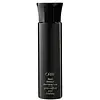 Key Ingredients
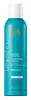
Benefits
Concerns
Ingredients Side-by-side
Trisiloxane
Skin Conditioning
Phenyl Trimethicone
Skin Conditioning
Isododecane
EmollientBis-Hydroxyethoxypropyl Dimethicone
Emollient
Bis-Hydroxy/Methoxy Amodimethicone
Caprylyl Methicone
Skin Conditioning
Parfum
Masking




Polysilicone-15
UV Filter
Ethylhexylglycerin
Skin ConditioningPPG-3 Benzyl Ether Myristate
EmollientSilicone Quaternium-22
Citrullus Lanatus Seed Oil
Emollient


Caprylic/Capric Triglyceride
Masking


PPG-3 Myristyl Ether
EmollientArgania Spinosa Kernel Oil
Emollient

Persea Gratissima Oil
Skin Conditioning
Rosa Canina Fruit Oil
Emollient
Leontopodium Alpinum Flower/Leaf Extract
Skin ConditioningLitchi Chinensis Pericarp Extract
Skin ConditioningOryza Sativa Bran Extract
Skin Conditioning
Helianthus Annuus Extract
Emollient
Tocopherol
Antioxidant




Rosmarinus Officinalis Leaf Extract
AntimicrobialPentaerythrityl Tetra-Di-T-Butyl Hydroxyhydrocinnamate
Antioxidant
Benzyl Benzoate
Antimicrobial
Limonene
Perfuming
Hexyl Cinnamal
Perfuming
Linalool
Perfuming
Citral
Perfuming
Trisiloxane, Phenyl Trimethicone, Isododecane, Bis-Hydroxyethoxypropyl Dimethicone, Bis-Hydroxy/Methoxy Amodimethicone, Caprylyl Methicone, Parfum, Polysilicone-15, Ethylhexylglycerin, PPG-3 Benzyl Ether Myristate, Silicone Quaternium-22, Citrullus Lanatus Seed Oil, Caprylic/Capric Triglyceride, PPG-3 Myristyl Ether, Argania Spinosa Kernel Oil, Persea Gratissima Oil, Rosa Canina Fruit Oil, Leontopodium Alpinum Flower/Leaf Extract, Litchi Chinensis Pericarp Extract, Oryza Sativa Bran Extract, Helianthus Annuus Extract, Tocopherol, Rosmarinus Officinalis Leaf Extract, Pentaerythrityl Tetra-Di-T-Butyl Hydroxyhydrocinnamate, Benzyl Benzoate, Limonene, Hexyl Cinnamal, Linalool, Citral
Dimethyl Ether
SolventAlcohol Denat.
Antimicrobial

Water
Skin ConditioningButylene Glycol
Humectant
Octylacrylamide/Acrylates/Butylaminoethyl Methacrylate Copolymer
Argania Spinosa Kernel Oil
Emollient
Achillea Millefolium Extract
CleansingGeranium Maculatum Extract
TonicLentinus Edodes Extract
Skin ConditioningRosmarinus Officinalis Leaf Extract
AntimicrobialSalvia Officinalis Leaf Extract
CleansingParfum
Masking
PEG-40 Hydrogenated Castor Oil
Emulsifying
Aminomethyl Propanol
BufferingPanthenol
Skin Conditioning
Cetearamidoethyldiethonium Succinoyl Hydrolyzed Pea Protein
CleansingGlycerin
Humectant
Tocopheryl Acetate
Antioxidant
PPG-12 Dimethicone
Skin Conditioning
Hydroxypropyl Methacrylate
Benzoic Acid
Masking
Linalool
Perfuming
Alpha-Isomethyl Ionone
Perfuming
Dimethyl Ether, Alcohol Denat., Water, Butylene Glycol, Octylacrylamide/Acrylates/Butylaminoethyl Methacrylate Copolymer, Argania Spinosa Kernel Oil, Achillea Millefolium Extract, Geranium Maculatum Extract, Lentinus Edodes Extract, Rosmarinus Officinalis Leaf Extract, Salvia Officinalis Leaf Extract, Parfum, PEG-40 Hydrogenated Castor Oil, Aminomethyl Propanol, Panthenol, Cetearamidoethyldiethonium Succinoyl Hydrolyzed Pea Protein, Glycerin, Tocopheryl Acetate, PPG-12 Dimethicone, Hydroxypropyl Methacrylate, Benzoic Acid, Linalool, Alpha-Isomethyl Ionone
Ingredients Explained
These ingredients are found in both products.
Ingredients higher up in an ingredient list are typically present in a larger amount.
You may know this ingredient as argan oil. It has emollient and skin conditioning properties that help soften skin and reinforce the lipid barrier.
The fatty acid profile of argan oil is roughly 45-55% oleic acid, 28-36% linoleic acid, 10-15% palmitic acid, and 5-7% stearic acid. It also contains vitamin E, sterols, squalene, and polyphenols like ferulic acid.
Two clinical studies in postmenopausal women found that applying argan oil for 60 days significantly improved skin elasticity and moisturization (reduced transepidermal water loss and increased epidermal water content).
Since it is high in oleic and linoleic acid, this ingredient may not be fungal acne safe. Both of these fall in the C11-C24 range that Malassezia yeast can metabolize.
Learn more about Argania Spinosa Kernel OilLinalool is a small, naturally occurring scent molecule found in plants like lavender, coriander, bergamot, and more.
It is one of the two most-used fragrance ingredients in cosmetics and added purely for smell. Since it's not used for a skin benefit, there's no "effective dose". Concentration depends on the fragrance load of the product.
The EU requires it to be named on the label above 0.001% in leave-on and 0.01% in rinse-off products.
Fresh linalool is a weak sensitizer but air exposure turns some of it into hydroperoxides, which are strong sensitizers. Those oxidation products are the actual allergy concern.
Patch-test clinics see positive reactions to linalool hydroperoxides in about 4% to 12% of dermatitis patients depending on country and test concentration.
Resassuringly, one analytical study found hydroperoxide levels in real fragranced products to be orders of magnitude below what induced sensitization in animal studies with no evidence of oxidation building up during normal storage.
The practical takeaway is that linalool is fine for most people but worth avoiding if you have a confirmed fragrance contact allergy or a badly compromised barrier.
Products stored a long time after opening are also the high-risk scenario since that is when oxidation happens.
The scent of linalool is described as floral, spicy tropical, and citrus-like.
Learn more about LinaloolParfum is a catch-all term for an ingredient or more that is used to give a scent to products.
Also called "fragrance", this ingredient can be a blend of hundreds of chemicals or plant oils. This means every product with "fragrance" or "parfum" in the ingredients list is a different mixture.
For instance, Habanolide is a proprietary trade name for a specific aroma chemical. When used as a fragrance ingredient in cosmetics, most aroma chemicals fall under the broad labeling category of “FRAGRANCE” or “PARFUM” according to EU and US regulations.
The term 'parfum' or 'fragrance' is not regulated in many countries. In many cases, it is up to the brand to define this term.
For instance, many brands choose to label themselves as "fragrance-free" because they are not using synthetic fragrances. However, their products may still contain ingredients such as essential oils that are considered a fragrance by INCI standards.
One example is Calendula flower extract. Calendula is an essential oil that still imparts a scent or 'fragrance'.
Depending on the blend, the ingredients in the mixture can cause allergies and sensitivities on the skin. Some ingredients that are known EU allergens include linalool and citronellol.
Parfum can also be used to mask or cover an unpleasant scent.
The bottom line is: not all fragrances/parfum/ingredients are created equally. If you are worried about fragrances, we recommend taking a closer look at an ingredient. And of course, we always recommend speaking with a professional.
Learn more about ParfumThis is a botanical extract from the rosemary plant (the same one you cook with). In skincare, it mostly works as a skin conditioning agent.
Its activity comes from a handful of polyphenols, carnosic acid, carnosol, and rosmarinic acid. Almost 90% of the antioxidant activity of this ingredient can be attributed to canosol and carnosic acid.
These compounds protect your skin two ways:
1) They fight off free radicals, or the unstable molecules from things like sun and pollution that age and damage skin.
2) They help calm inflammation by switching off the chemical signals that tell skin to get red and irritated.
Lab studies also suggest that rosmarinic acid may help protect collagen and slow sugar-related damage to it.
The Cosmetic Ingredient Review has concluded rosemary-derived ingredients to be safe when formulated to be non-sensitizing.
Rosemary can occasionally cause allergic contact dermatitis (due to carnosol), so be sure to patch test if you have reactive or fragrance-sensitive skin.
Learn more about Rosmarinus Officinalis Leaf Extract

