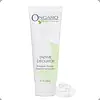
This smoothing exfoliator is formulated around Aloe Barbadensis Leaf Extract and Papain to refine skin texture.
This smoothing exfoliator is formulated around Aloe Barbadensis Leaf Extract and Papain to refine skin texture.

What's inside
What's inside
 Key Ingredients
Benefits
Concerns
Ingredients Side-by-side
Aloe Barbadensis Leaf Extract
Emollient


Butylene Glycol
Humectant
Carbomer
Emulsion StabilisingLactococcus Ferment Lysate
Skin Conditioning
Palmitoyl Tetrapeptide-7
Skin Conditioning



Glycerin
Humectant
Papain
Skin Conditioning
Maltodextrin
Absorbent
Polysorbate 20
Emulsifying

Malus Domestica Fruit Cell Culture Extract
Skin ConditioningAnanas Sativus Fruit Extract
Skin ConditioningCitrus Grandis Seed Extract
Astringent
Carica Papaya Fruit Extract
Skin ConditioningSalix Alba Bark Extract
Astringent

Epilobium Angustifolium Flower/Leaf/Stem Extract
Skin ConditioningLactobacillus/Pumpkin Ferment Extract
Skin ConditioningAscorbic Acid
Antioxidant


Lecithin
Emollient
Biosaccharide Gum-1
Humectant
Xanthan Gum
EmulsifyingPhenoxyethanol
Preservative
Ethylhexylglycerin
Skin ConditioningSodium Hydroxide
BufferingParfum
Masking


Aloe Barbadensis Leaf Extract, Butylene Glycol, Carbomer, Lactococcus Ferment Lysate, Palmitoyl Tetrapeptide-7, Glycerin, Papain, Maltodextrin, Polysorbate 20, Malus Domestica Fruit Cell Culture Extract, Ananas Sativus Fruit Extract, Citrus Grandis Seed Extract, Carica Papaya Fruit Extract, Salix Alba Bark Extract, Epilobium Angustifolium Flower/Leaf/Stem Extract, Lactobacillus/Pumpkin Ferment Extract, Ascorbic Acid, Lecithin, Biosaccharide Gum-1, Xanthan Gum, Phenoxyethanol, Ethylhexylglycerin, Sodium Hydroxide, Parfum
Aloe Barbadensis Leaf Extract
Emollient
Butylene Glycol
Humectant
Water
Skin ConditioningCarbomer
Emulsion StabilisingHyaluronic Acid
Humectant
Glycosaminoglycans
EmollientPapain
Skin Conditioning
Carica Papaya Fermented Extract
Cucumis Sativus Fruit
Skin Conditioning
Camellia Sinensis Leaf
Perfuming
Vitis Vinifera Seed
Skin ConditioningSymphytum Officinale Leaf Extract
Skin ConditioningChamomilla Recutita Flower
Skin Conditioning
Echinacea Angustifolia Meristem Cell Culture
Skin ConditioningCitrus Limon Fruit Extract
Masking
Ananas Sativus Fruit Extract
Skin ConditioningRetinyl Palmitate
Skin Conditioning
Tocopheryl Acetate
Antioxidant
Ascorbic Acid
Antioxidant
Panthenol
Skin Conditioning
Acetyl Hexapeptide-8
Humectant
Glycerin
Humectant
Sorbitol
Humectant
Diazolidinyl Urea
Preservative
Iodopropynyl Butylcarbamate
Preservative
Sodium Hydroxide
BufferingParfum
Masking
Aloe Barbadensis Leaf Extract, Butylene Glycol, Water, Carbomer, Hyaluronic Acid, Glycosaminoglycans, Papain, Carica Papaya Fermented Extract, Cucumis Sativus Fruit, Camellia Sinensis Leaf, Vitis Vinifera Seed, Symphytum Officinale Leaf Extract, Chamomilla Recutita Flower, Echinacea Angustifolia Meristem Cell Culture, Citrus Limon Fruit Extract, Ananas Sativus Fruit Extract, Retinyl Palmitate, Tocopheryl Acetate, Ascorbic Acid, Panthenol, Acetyl Hexapeptide-8, Glycerin, Sorbitol, Diazolidinyl Urea, Iodopropynyl Butylcarbamate, Sodium Hydroxide, Parfum
Ingredients Explained
These ingredients are found in both products.
Ingredients higher up in an ingredient list are typically present in a larger amount.
Aloe Barbadensis Leaf Extract is a botanical extract pulled from the leaves of aloe vera and one of the most studied plant ingredients in cosmetics.
The inner leaf gel it comes from is mostly water (~99-99.5%) and the remaining fraction is made up of pretty good stuff: polysaccharides, vitamins, phenolics, and enzymes.
Its headline job is hydration.
The star polysaccharide in aloe, acemannan, is a humectant that retains moisture and helps reduce trans-epidermal water loss.
Aloe also has real soothing credentials; it contains anti-inflammatory compounds like bradykinase and C-glucosyl chromone that help calm irritation and redness.
On the repair side, lab work shows that acemannan wakes up your skin's repair cells (fibroblasts), prompting them to multiply and speed up healing.
There's some human data for cosmetic benefit too: a cream containing 10% Aloe Barbadensis leaf extract improved skin hydration and elasticity in a real-use study.
Safety-wise, this ingredient is well-regarded with just one rare downside; there have been some case reports of acute eczema, contact urticaria, and dermatitis in people who applied aloe-derived ingredients topically. Those with a known aloe or Liliaceae sensitivity should patch test.
Typical use levels range widely, from under 1% up to 90%+ depending on the format and the effect you are after.
Learn more about Aloe Barbadensis Leaf ExtractThis extract comes from the pineapple fruit. Its main claim to fame is bromelain, a gentle exfoliator that helps remove dead skin cells from the outermost layer of skin.
Exfoliation from bromelain is considered a gentler alternative to physical or chemical exfoliants; this makes it suitable for sensitive skin types.
Beyond exfoliation, this extract also contains natural sugars with humectant properties and some vitamin C.
Overall, this is a well-tolerated and low-risk ingredient unless you have a pineapple allergy.
Learn more about Ananas Sativus Fruit ExtractAscorbic Acid is is pure Vitamin C and is the biologically active form used directly by skin.
Not only is vitamin C great for your overall health and immune system, but it also has plenty of benefits for your skin. It is best supported by academic literature for:
Topical vitamin C has been shown to help neutralize oxidative stress from UV and pollution, helping to improve photoaging and hyperpigmentation when used consistently.
One clinical study found that using 5% topical vitamin C for six months improved signs of photodamaged skin, both on the surface and in the deeper structural layers of the skin.
While vitamin C doesn’t replace sunscreen, studies show it can boost photoprotection when combined with Vitamin E and ferulic acid. These two ingredients help improve stability and protective effects.
The big downside of this ingredient is formulation difficulty. Vitamin C is prone to oxidation and doesn't penetrate the skin unless formulated correctly. Research found that vitamin C absorbs into the skin best at a low pH (< 3.5) with about 20% being the upper limit for effective absorption.
Skin levels can saturate after repeated application; this means your skin won’t keep absorbing more once it’s full of vitamin C. This is why more isn’t always better with vitamin C and why very high concentrations don’t necessarily give extra benefits.
Ascorbic acid generally works well with many skincare ingredients but can be irritating when combined with other active ingredients. Strong oxidizing acne treatments like benzoyl peroxide can reduce the effectiveness of vitamin C if they are used at the same time; they are often recommended for use at different times of day.
Read more about other types of Vitamin C:
Foods rich with vitamin C include oranges, strawberries, broccoli, bell peppers, and more. When consuming Vitamin C, your skin receives a portion of the nutrients.
Learn more about Ascorbic AcidButylene Glycol (or BG) is used within cosmetic products for a few different reasons:
Overall, Butylene Glycol is a safe and well-rounded ingredient that works well with other ingredients.
Though this ingredient works well with most skin types, some people with sensitive skin may experience a reaction such as allergic rashes, closed comedones, or itchiness.
Learn more about Butylene GlycolCarbomer is a synthetic thickening and gelling agent. It's basically the ingredient that gives a lot of serums, gels, creams, and sunscreens their smooth, non-sticky texture.
Although legally permitted at very high levels, carbomers are normally used at concentrations below 1%.
It also needs to be neutralized to actually thicken, and because it is a large molecule, it doesn't really penetrate the skin barrier.
Allergy-wise, the risk is very low. Clinical studies show carbomers have low potential for skin irritation/sensitization even at concentrations up to 100%.
A 2024 UK study patch-tested 1,302 patients and found true allergy to the parent group of carbomer to be rare with no confirmed relevant reactions.
Learn more about CarbomerGlycerin (or glycerol) is a compound naturally found in your skin. It's a powerhouse humectant that pulls water into the stratum corneum.
Topically, glycerin does several things at once:
Your skin makes glycerin on its own (mostly from sebaceous oil breakdown) and shuttles it to your outermost layer of skin, or your epidermis, via aquaporin-3.
Aquaporin-3 is a transporter that is essential for normal skin hydration, elasticity, and repair. Interestingly, mice lacking in AQP3 have dry and less elastic skin that can be fully corrected with glycerin.
This ingredient is non-irritating, plays well with almost every ingredient, and works across all skin types. Typical use is anywhere between 3-10% but can go up to 79% in some leave-on products.
Just know very high concentrations (>40%) can feel tacky in low humidity.
Glycerin is the name for this ingredient in American English. British English uses Glycerol/Glycerine.
Learn more about GlycerinPapain is a proteolytic enzyme extracted from unripe papaya fruit. It is a gentle exfoliator that helps remove the dead skin cells from your outermost layer of skin.
Basically, papain works by dissolving the "glue" holding dead skin cells to your skin's surface. This also promotes cell turnover and smooths texture.
Unlike other exfoliants, papain can work without causing significant irritation.
Beyond exfoliation, its proteolytic action also helps soothe irritated skin and supports the healing of minor wounds.
A 2024 in vivo/in vitro study confirmed its potential to suppress skin inflammation and improve transepidermal water loss (TEWL) in atopic dermatitis models.
Just one thing worth noting: there are reports of allergic responses in individuals with a papaya or latex sensitivity. Be sure to patch test if you're in this camp.
Learn more about PapainParfum is a catch-all term for an ingredient or more that is used to give a scent to products.
Also called "fragrance", this ingredient can be a blend of hundreds of chemicals or plant oils. This means every product with "fragrance" or "parfum" in the ingredients list is a different mixture.
For instance, Habanolide is a proprietary trade name for a specific aroma chemical. When used as a fragrance ingredient in cosmetics, most aroma chemicals fall under the broad labeling category of “FRAGRANCE” or “PARFUM” according to EU and US regulations.
The term 'parfum' or 'fragrance' is not regulated in many countries. In many cases, it is up to the brand to define this term.
For instance, many brands choose to label themselves as "fragrance-free" because they are not using synthetic fragrances. However, their products may still contain ingredients such as essential oils that are considered a fragrance by INCI standards.
One example is Calendula flower extract. Calendula is an essential oil that still imparts a scent or 'fragrance'.
Depending on the blend, the ingredients in the mixture can cause allergies and sensitivities on the skin. Some ingredients that are known EU allergens include linalool and citronellol.
Parfum can also be used to mask or cover an unpleasant scent.
The bottom line is: not all fragrances/parfum/ingredients are created equally. If you are worried about fragrances, we recommend taking a closer look at an ingredient. And of course, we always recommend speaking with a professional.
Learn more about ParfumSodium Hydroxide is also known as lye or caustic soda. It is used to adjust the pH of products; many ingredients require a specific pH to be effective.
In small amounts, sodium hydroxide is considered safe to use. However, large amounts may cause chemical burns due to its high alkaline.
Your skin has a natural pH and acid mantle. This acid mantle helps prevent harmful bacteria from breaking through. The acid mantle also helps keep your skin hydrated.
"Alkaline" refers to a high pH level. A low pH level would be considered acidic.
Learn more about Sodium Hydroxide

