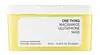
This brightening sheet mask is formulated around Glutathione and 3-O-Ethyl Ascorbic Acid to brighten dull-looking skin and fade the look of dark spots.
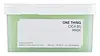
This calming sheet mask is formulated around Panthenol and Centella Asiatica Leaf Extract to calm redness and strengthen the skin barrier.

What's inside
What's inside
 Key Ingredients
Benefits
Concerns
No concerns
Ingredients Side-by-side
Water
Skin ConditioningEthylhexylglycerin
Skin ConditioningXanthan Gum
EmulsifyingGlyceryl Stearate Citrate
Emollient

Disodium EDTA
ChelatingBetaine
Humectant


Polyglyceryl-10 Laurate
Skin Conditioning
Polyglyceryl-10 Myristate
Skin Conditioning
Glutathione



Hydrogenated Lecithin
Emulsifying
Linum Usitatissimum Seed Flour
Abrasive
Butylene Glycol
Humectant
Melaleuca Alternifolia Leaf Extract
Perfuming
3-O-Ethyl Ascorbic Acid
Skin Conditioning



Ascorbic Acid
Antioxidant

Sodium Ascorbyl Phosphate
Antioxidant
Tocopheryl Acetate
Antioxidant
Tocopherol
Antioxidant
Linolenic Acid
Cleansing
Linoleic Acid
Cleansing
Water, Ethylhexylglycerin, Xanthan Gum, Glyceryl Stearate Citrate, Disodium EDTA, Betaine, Polyglyceryl-10 Laurate, Polyglyceryl-10 Myristate, Glutathione, Hydrogenated Lecithin, Linum Usitatissimum Seed Flour, Butylene Glycol, Melaleuca Alternifolia Leaf Extract, 3-O-Ethyl Ascorbic Acid, Ascorbic Acid, Sodium Ascorbyl Phosphate, Tocopheryl Acetate, Tocopherol, Linolenic Acid, Linoleic Acid
Water
Skin ConditioningButylene Glycol
Humectant
Glycerin
Humectant
Polyglycerin-3
Humectant
1,2-Hexanediol
Skin Conditioning
Allantoin
Skin Conditioning
Ethylhexylglycerin
Skin ConditioningPanthenol
Skin Conditioning
Carbomer
Emulsion StabilisingXanthan Gum
EmulsifyingPolyglyceryl-4 Caprate
EmulsifyingAdenosine
Skin Conditioning
Arginine
Masking
Disodium EDTA
ChelatingCentella Asiatica Leaf Extract
Skin Conditioning
Biosaccharide Gum-1
Humectant
Beta-Glucan
Skin Conditioning
Bifida Ferment Lysate
Skin Conditioning
Centella Asiatica Extract
Cleansing
Lactobacillus Ferment Lysate
Skin Conditioning
Lactococcus Ferment Lysate
Skin Conditioning
Dipropylene Glycol
HumectantNiacinamide
Smoothing


Hydrogenated Lecithin
Emulsifying
Centella Asiatica Root Extract
Skin Conditioning
Asiaticoside
Antioxidant
Asiatic Acid
Skin Conditioning
Madecassic Acid
Skin Conditioning
Hyaluronic Acid
Humectant
Ceramide NP
Skin Conditioning
Madecassoside
Antioxidant
Water, Butylene Glycol, Glycerin, Polyglycerin-3, 1,2-Hexanediol, Allantoin, Ethylhexylglycerin, Panthenol, Carbomer, Xanthan Gum, Polyglyceryl-4 Caprate, Adenosine, Arginine, Disodium EDTA, Centella Asiatica Leaf Extract, Biosaccharide Gum-1, Beta-Glucan, Bifida Ferment Lysate, Centella Asiatica Extract, Lactobacillus Ferment Lysate, Lactococcus Ferment Lysate, Dipropylene Glycol, Niacinamide, Hydrogenated Lecithin, Centella Asiatica Root Extract, Asiaticoside, Asiatic Acid, Madecassic Acid, Hyaluronic Acid, Ceramide NP, Madecassoside
Ingredients Explained
These ingredients are found in both products.
Ingredients higher up in an ingredient list are typically present in a larger amount.
Butylene Glycol (or BG) is used within cosmetic products for a few different reasons:
Overall, Butylene Glycol is a safe and well-rounded ingredient that works well with other ingredients.
Though this ingredient works well with most skin types, some people with sensitive skin may experience a reaction such as allergic rashes, closed comedones, or itchiness.
Learn more about Butylene GlycolDisodium EDTA is a chelating agent. It grabs onto and deactivates metal ions that sneak into your products from water, packaging, or air.
This ingredient mainly works behind the scenes and helps with:
On top of that, this ingredient can counteract the effects of hard water by binding to the minerals in it.
One thing worth knowing is that Disodium EDTA has been shown to be a mild penetration enhancer. It can help other ingredients absorb into skin more effectively which can be a double-edged sword (great for actives, but can also make the active too strong if you have sensitive skin).
Clinical patch testing showed no significant skin irritation at typical use concentrations and minimal dermal absorption.
You'll most likely see this ingredient near the end of an ingredient list. It's typically found in concentrations less than 1%.
Learn more about Disodium EDTAEthylhexylglycerin is created from glycerin. It is a multitasker ingredient that:
The CIR Expert Panel found minimal skin absorption or sensitization of any kind in a safety assessment. Though this ingredient is considered well-tolerated, a small number of cases of allergic dermatitis have been published since 2002. Just be sure to patch test if you are unsure.
Industry-reported use ranges from 8% in rinse-off products and 2% in leave-on formulations.
Learn more about EthylhexylglycerinHydrogenated Lecithin is a more stable version of lecithin.
It's made by taking lecithin (a phospholipid commonly found in soybeans and egg yolks) and hydrogenating it. This just means the unsaturated fatty acids are turned into saturated ones so they don't go bad as easily.
This ingredient is an emollient, emulsifier, and penetration enhancer. As an emollient, it helps soften and hydrate skin by trapping moisture within. As an emulsifier, it prevents oil and water ingredients from separating.
Hydrogenated Lecithin can form tiny spherical structures made of phospholipid bilayers called liposomes. These liposomes are able to capture compounds inside their structure and deliver them through the skin barrier.
Because phospholipids are a natural component of our cell membranes, this ingredient is inherently compatible with skin.
A 2021 study found lecithin-based surfactants were less harsh and more tolerable comared to Sodium Lauryl Sulfate (SLS).
Learn more about Hydrogenated LecithinWater. It's the most common cosmetic ingredient of all. You'll usually see it at the top of ingredient lists, meaning that it makes up the largest part of the product.
So why is it so popular? Water most often acts as a solvent - this means that it helps dissolve other ingredients into the formulation.
You'll also recognize water as that liquid we all need to stay alive. If you see this, drink a glass of water. Remember to stay hydrated!
Learn more about WaterXanthan gum is used as a stabilizer and thickener within cosmetic products. It helps give products a sticky, thick feeling - preventing them from being too runny.
On the technical side of things, xanthan gum is a polysaccharide - a combination consisting of multiple sugar molecules bonded together.
Xanthan gum is a pretty common and great ingredient. It is a natural, non-toxic, non-irritating ingredient that is also commonly used in food products.
Learn more about Xanthan Gum

