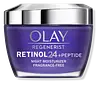
This anti-aging night moisturizer is formulated around Retinol and Niacinamide to soften the look of wrinkles and refine skin texture.
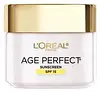
This day moisturizer is formulated around Capryloyl Salicylic Acid to fight breakouts and control oil.


What's inside
What's inside
 Key Ingredients
Benefits
Concerns
Ingredients Side-by-side
Water
Skin ConditioningDimethicone
Emollient

Glycerin
Humectant

Tapioca Starch
Dimethicone Crosspolymer
Emulsion Stabilising
Retinol
Skin Conditioning









Retinyl Propionate
Skin Conditioning
Niacinamide
Smoothing


Palmitoyl Pentapeptide-4
Skin Conditioning
Polyacrylamide
C13-14 Isoparaffin
Emollient
DMDM Hydantoin
Preservative

Polysorbate 20
Emulsifying
Laureth-4
Emulsifying
Acrylates/C10-30 Alkyl Acrylate Crosspolymer
Emulsion StabilisingLaureth-7
EmulsifyingDimethiconol
Emollient
Polymethylsilsesquioxane
Aminomethyl Propanol
BufferingTitanium Dioxide
Cosmetic Colorant

Disodium EDTA
ChelatingIodopropynyl Butylcarbamate
Preservative
Caprylic/Capric Triglyceride
Masking
Water, Dimethicone, Glycerin, Tapioca Starch, Dimethicone Crosspolymer, Retinol, Retinyl Propionate, Niacinamide, Palmitoyl Pentapeptide-4, Polyacrylamide, C13-14 Isoparaffin, DMDM Hydantoin, Polysorbate 20, Laureth-4, Acrylates/C10-30 Alkyl Acrylate Crosspolymer, Laureth-7, Dimethiconol, Polymethylsilsesquioxane, Aminomethyl Propanol, Titanium Dioxide, Disodium EDTA, Iodopropynyl Butylcarbamate, Caprylic/Capric Triglyceride
Phenylbenzimidazole Sulfonic Acid 1.7%
UV Absorber
Ethylhexyl Methoxycinnamate 7.5%
UV Absorber
Water
Skin ConditioningCyclopentasiloxane
Emollient
Glycerin
Humectant
Paraffinum Liquidum
Emollient
Myristyl Myristate
Emollient
Stearic Acid
Cleansing
Triethanolamine
BufferingPalmitic Acid
Emollient
Ammonium Polyacryloyldimethyl Taurate
Emulsion StabilisingTitanium Dioxide
Cosmetic Colorant
PEG-100 Stearate
Surfactant
Glyceryl Stearate
Emollient
Mannitol
Humectant
PEG-20 Stearate
Emulsifying
Stearyl Alcohol
Emollient
Phenoxyethanol
Preservative
Tocopheryl Acetate
Antioxidant

Panthenol
Skin Conditioning
Cetyl Alcohol
Emollient
Capryloyl Salicylic Acid
Exfoliating
Acrylates Copolymer
Butylene Glycol
Humectant
Alumina
Abrasive
Cyclodextrin
AbsorbentYeast Extract
Skin ConditioningSoluble Collagen
Humectant
Disodium Succinate
MaskingScutellaria Baicalensis Root Extract
Astringent
Morus Bombycis Root Extract
Skin ConditioningDiazolidinyl Urea
Preservative
Methylparaben
Preservative
Butylparaben
Masking
Disodium EDTA
ChelatingParfum
Masking

Phenylbenzimidazole Sulfonic Acid 1.7%, Ethylhexyl Methoxycinnamate 7.5%, Water, Cyclopentasiloxane, Glycerin, Paraffinum Liquidum, Myristyl Myristate, Stearic Acid, Triethanolamine, Palmitic Acid, Ammonium Polyacryloyldimethyl Taurate, Titanium Dioxide, PEG-100 Stearate, Glyceryl Stearate, Mannitol, PEG-20 Stearate, Stearyl Alcohol, Phenoxyethanol, Tocopheryl Acetate, Panthenol, Cetyl Alcohol, Capryloyl Salicylic Acid, Acrylates Copolymer, Butylene Glycol, Alumina, Cyclodextrin, Yeast Extract, Soluble Collagen, Disodium Succinate, Scutellaria Baicalensis Root Extract, Morus Bombycis Root Extract, Diazolidinyl Urea, Methylparaben, Butylparaben, Disodium EDTA, Parfum
Reviews
Ingredients Explained
These ingredients are found in both products.
Ingredients higher up in an ingredient list are typically present in a larger amount.
Disodium EDTA is a chelating agent. It grabs onto and deactivates metal ions that sneak into your products from water, packaging, or air.
This ingredient mainly works behind the scenes and helps with:
On top of that, this ingredient can counteract the effects of hard water by binding to the minerals in it.
One thing worth knowing is that Disodium EDTA has been shown to be a mild penetration enhancer. It can help other ingredients absorb into skin more effectively which can be a double-edged sword (great for actives, but can also make the active too strong if you have sensitive skin).
Clinical patch testing showed no significant skin irritation at typical use concentrations and minimal dermal absorption.
You'll most likely see this ingredient near the end of an ingredient list. It's typically found in concentrations less than 1%.
Learn more about Disodium EDTAGlycerin (or glycerol) is a compound naturally found in your skin. It's a powerhouse humectant that pulls water into the stratum corneum.
Topically, glycerin does several things at once:
Your skin makes glycerin on its own (mostly from sebaceous oil breakdown) and shuttles it to your outermost layer of skin, or your epidermis, via aquaporin-3.
Aquaporin-3 is a transporter that is essential for normal skin hydration, elasticity, and repair. Interestingly, mice lacking in AQP3 have dry and less elastic skin that can be fully corrected with glycerin.
This ingredient is non-irritating, plays well with almost every ingredient, and works across all skin types. Typical use is anywhere between 3-10% but can go up to 79% in some leave-on products.
Just know very high concentrations (>40%) can feel tacky in low humidity.
Glycerin is the name for this ingredient in American English. British English uses Glycerol/Glycerine.
Learn more about GlycerinTitanium Dioxide (TD) is a mineral UV filter widely used in sunscreens and cosmetics.
It's one of only two UV filters officially classified as "mineral" by regulatory agencies (the other being Zinc Oxide).
A really common myth is that mineral filters work by reflecting UV light off your skin like tiny mirrors.
They don't only do that; modern research shows TD protects mostly by absorbing UV radiation, the same way chemical filters do.
When researchers measured this, reflection accounted for only about 4-5% of the protection (and less than SPF 2 on its own). The other ~95% comes from absorption: the UV photons hit the particle and their energy gets soaked up by its semiconductor band gap rather than bouncing off.
So "reflects vs. absorbs" was never really the right way to split mineral from chemical filters.
TD gives broad-spectrum protection that's strongest in the UVB and UVA-2 range and weaker in the UVA-1 range. Its UVA protection isn't quite as strong as Zinc Oxide's which is why you'll often see the two paired together.
Together, they make a solid broad-spectrum system.
TD is a great pick for sensitive, acne-prone, or redness-prone skin because it's non-irritating and chemically inert. Regulatory reviews classify it as a non-sensitizer and mild-to-non-irritant.
It's also unlikely to cause the "eye sting" some chemical filters are known for.
The main trade-off is cosmetic; TD can leave a white cast and has a thicker texture. This is why mineral sunscreens are often less cosmetically elegant than chemical or hybrid formulas (and harder to shade-match on deeper skin tones).
Formulators often use micronized or nano-sized TD to cut down on white case and improve spreadability. Smaller particles scatter less visible light so the formula looks less chalky while still filtering UV.
TD is almost always bundled with coatings like Alumina, Silica, Stearic Acid, or Dimethicone. These coatings do two important jobs:
TD can be used at up to 25% in a finished sunscreen; this is the regulatory ceiling in both the US and the EU.
In practice, the amount in any given product varies a lot depending on the target SPF and whether it's paired with other UV filters.
TD is one of the most heavily vetted sunscreen ingredients out there. It is approved as a UV filter in all major markets worldwide, including the US, EU, UK, Japan, Korea, China, Australia, and Canada.
The safety evidence is solid. There was an old worry that nano particles might absorb through skin into the body but multiple studies (including on damaged, sunburned, and UV-irradiated skin) have shown that TD stays on the surface and the layer of dead skin cells on top of everything else.
There's also no evidence of carcinogenicity, mutagenicity, or reproductive toxicity from dermal exposure of this ingredient.
For those who have seen the headline about a 2022 EU ban on TD, that was on TD as a food additive (a complete separate use from topical sunscreen).
There are ongoing questions about how nano-TD might affect marine ecosystems. As of now, there has been no conclusive evidence that any form of TD (or any other sunscreen filter) harms coral reefs or marine life.
The science is still developing and it's a space worth watching rather than packing over.
However, several destinations have reef-safety sunscreen rules that restrict certain chemical filters and steer visitors toward mineral, non-nano options. If you're traveling somewhere with these rules, a non-nano mineral sunscreen is the safe bet.
Learn more about Titanium DioxideWater. It's the most common cosmetic ingredient of all. You'll usually see it at the top of ingredient lists, meaning that it makes up the largest part of the product.
So why is it so popular? Water most often acts as a solvent - this means that it helps dissolve other ingredients into the formulation.
You'll also recognize water as that liquid we all need to stay alive. If you see this, drink a glass of water. Remember to stay hydrated!
Learn more about Water

