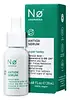
This anti-aging serum is formulated around Ferulic Acid and Resveratrol to soften the look of wrinkles and brighten dull-looking skin.
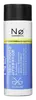
This hydrating toner is formulated around Panthenol and Niacinamide to hydrate skin and strengthen the skin barrier.

What's inside
What's inside
 Key Ingredients
Benefits
Concerns
No concerns
Ingredients Side-by-side
Water
Skin ConditioningPropylene Glycol
Humectant


Isopropylideneglycerol
Pentylene Glycol
Skin Conditioning
Glycerin
Humectant
Ferulic Acid
Antimicrobial


Resveratrol
Antioxidant

Camellia Sinensis Leaf Extract
Antimicrobial

Ethylbisiminomethylguaiacol Manganese Chloride
Antioxidant
Phospholipids
Skin Conditioning
Leuconostoc/Radish Root Ferment Filtrate
Antimicrobial
Superoxide Dismutase
Antioxidant
Xanthan Gum
EmulsifyingHelianthus Annuus Seed Oil
Emollient
Tocopherol
Antioxidant
Sodium Hydroxide
BufferingCI 75810
Cosmetic ColorantWater, Propylene Glycol, Isopropylideneglycerol, Pentylene Glycol, Glycerin, Ferulic Acid, Resveratrol, Camellia Sinensis Leaf Extract, Ethylbisiminomethylguaiacol Manganese Chloride, Phospholipids, Leuconostoc/Radish Root Ferment Filtrate, Superoxide Dismutase, Xanthan Gum, Helianthus Annuus Seed Oil, Tocopherol, Sodium Hydroxide, CI 75810
Water
Skin ConditioningPanthenol
Skin Conditioning
Pentylene Glycol
Skin Conditioning
Glycerin
Humectant
Propanediol
Solvent
Niacinamide
Smoothing


Butylene Glycol
Humectant
Ectoin
Skin Conditioning
Amylopectin
Lithothamnion Calcareum Extract
Skin ConditioningBeta-Glucan
Skin Conditioning
Phospholipids
Skin Conditioning
Sphingolipids
Emollient
Aloe Barbadensis Leaf Extract
Emollient
Bioflavonoids
Skin ConditioningBrassica Oleracea Italica Extract
AstringentSodium PCA
Humectant
Lysine
Skin ConditioningHistidine
Humectant
Arginine
Masking
Aspartic Acid
Masking
Threonine
Serine
Masking
Glutamic Acid
Humectant
Proline
Skin Conditioning
Glycine
Buffering
Alanine
Masking
Valine
MaskingIsoleucine
Skin ConditioningLeucine
Skin ConditioningTyrosine
MaskingPhenylalanine
Masking
Allantoin
Skin Conditioning
Xanthan Gum
EmulsifyingAcacia Senegal Gum
Masking1,2-Hexanediol
Skin Conditioning
Caprylyl Glycol
Emollient
Tocopherol
Antioxidant
Potassium Sorbate
Preservative
Sodium Benzoate
Masking
Sodium Citrate
BufferingP-Anisic Acid
MaskingLactic Acid
Buffering

Water, Panthenol, Pentylene Glycol, Glycerin, Propanediol, Niacinamide, Butylene Glycol, Ectoin, Amylopectin, Lithothamnion Calcareum Extract, Beta-Glucan, Phospholipids, Sphingolipids, Aloe Barbadensis Leaf Extract, Bioflavonoids, Brassica Oleracea Italica Extract, Sodium PCA, Lysine, Histidine, Arginine, Aspartic Acid, Threonine, Serine, Glutamic Acid, Proline, Glycine, Alanine, Valine, Isoleucine, Leucine, Tyrosine, Phenylalanine, Allantoin, Xanthan Gum, Acacia Senegal Gum, 1,2-Hexanediol, Caprylyl Glycol, Tocopherol, Potassium Sorbate, Sodium Benzoate, Sodium Citrate, P-Anisic Acid, Lactic Acid
Reviews
Ingredients Explained
These ingredients are found in both products.
Ingredients higher up in an ingredient list are typically present in a larger amount.
Glycerin (or glycerol) is a compound naturally found in your skin. It's a powerhouse humectant that pulls water into the stratum corneum.
Topically, glycerin does several things at once:
Your skin makes glycerin on its own (mostly from sebaceous oil breakdown) and shuttles it to your outermost layer of skin, or your epidermis, via aquaporin-3.
Aquaporin-3 is a transporter that is essential for normal skin hydration, elasticity, and repair. Interestingly, mice lacking in AQP3 have dry and less elastic skin that can be fully corrected with glycerin.
This ingredient is non-irritating, plays well with almost every ingredient, and works across all skin types. Typical use is anywhere between 3-10% but can go up to 79% in some leave-on products.
Just know very high concentrations (>40%) can feel tacky in low humidity.
Glycerin is the name for this ingredient in American English. British English uses Glycerol/Glycerine.
Learn more about GlycerinPentylene Glycol (1,2-pentanediol) is a multitasking little diol with three main roles in a formula:
Research on alkanediols (the family pentylene glycol belongs to) show they work by disrupting microbial cell membranes. This disruption helps the primary preservative system in a product work more effectively at lower doses.
On the safety side, the Cosmetic Ingredient Review Expert Panel has concluded this ingredient to be safe as used in current cosmetic practices + concentrations.
Typical use levels in a formula run about 1-5%.
Learn more about Pentylene GlycolPhospholipids are a family of skin-identical lipids that makeup the structural backbone of every cell membrane in your body.
In cosmetics, they function as skin conditioning agents with emulsifier and surfactant properties. They're typically sourced from soybean or sunflower lecithin (or sometimes egg yolk or marine sources).
Because they mirror the lipids naturally found in the deeper layers of your skin, topical phospholipids help reinforce the lipid matrix, reduce transepidermal water loss, and leave skin feeling conditioned.
They're also used to form liposomes, or tiny self-assembling vesible used to stabilize actives like vitamin c or retinol. This helps these ingredients integrate into the upper layers of skin more easily.
Phospholipids are compatible with everything and the CIR Expert Panel has concluded them to be safe at current use levels.
Some types of phospholipids include:
Learn more about PhospholipidsTocopherol is a fat-soluble antioxidant known as Vitamin E.
You'll find this ingredient in the vast majority of skincare (for good reason). It works to neutralize free radicals, or unstable molecules generated by UV exposure, pollution, and other environmental stressors, before they can cause oxidative damage to your skin cells.
Topically applied tocopherol has been shown to protect against UV damage by ramping up the skin's own natural defense enzymes.
It also acts as a skin conditioning agent; some studies show that regular topical use can improve the skin's water-binding capacity over 2-4 weeks.
This ingredient is especially loved for being a team player. When combined with Vitamin C, the photoprotective effect of both ingredients roughly doubles and the combo also helps reduce UV-induced DNA damage.
This ingredient has some brightening potential but it's more of a prevention ingredient than spot-fader. Cell studies show it can slow down melanin production but it's worth noting that it's not the most powerful brightener out there.
In formulations, it also serves as a stabilizer that helps protect other oxidation-prone ingredients from degrading.
Concentrations usually range from 0.1-1% in most leave-on products.
Learn more about TocopherolWater. It's the most common cosmetic ingredient of all. You'll usually see it at the top of ingredient lists, meaning that it makes up the largest part of the product.
So why is it so popular? Water most often acts as a solvent - this means that it helps dissolve other ingredients into the formulation.
You'll also recognize water as that liquid we all need to stay alive. If you see this, drink a glass of water. Remember to stay hydrated!
Learn more about WaterXanthan gum is used as a stabilizer and thickener within cosmetic products. It helps give products a sticky, thick feeling - preventing them from being too runny.
On the technical side of things, xanthan gum is a polysaccharide - a combination consisting of multiple sugar molecules bonded together.
Xanthan gum is a pretty common and great ingredient. It is a natural, non-toxic, non-irritating ingredient that is also commonly used in food products.
Learn more about Xanthan Gum


