Nilens Jord Hydra Glow Vitamin C Radiance Brightening Eye Serum Versus Goop Beauty Goopglow Vita-C Brightening Eye Cream
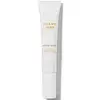
This brightening eye moisturizer is formulated around Niacinamide and Caffeine to brighten dull-looking skin.
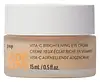
This brightening eye moisturizer is formulated around Niacinamide and Tetrahexyldecyl Ascorbate to brighten dull-looking skin and soften the look of wrinkles.


What's inside
What's inside
 Key Ingredients
Benefits
Concerns
Ingredients Side-by-side
Water
Skin ConditioningCoco-Caprylate/Caprate
Emollient
Propanediol
Solvent

Glycerin
Humectant
Pentylene Glycol
Skin Conditioning
Niacinamide
Smoothing









Octyldodecanol
Emollient
Mica
Cosmetic ColorantChlorphenesin
Antimicrobial
Caffeine
Skin Conditioning
Disteardimonium Hectorite
StabilisingCarbomer
Emulsion StabilisingAcrylates/C10-30 Alkyl Acrylate Crosspolymer
Emulsion StabilisingAmodimethicone

Sodium Hydroxide
BufferingPropylene Carbonate
SolventTrisodium Ethylenediamine Disuccinate
ChelatingAscorbyl Tetraisopalmitate
Antioxidant



Sodium Hyaluronate
Humectant
Sodium Stearate
CleansingCetearyl Alcohol
Emollient


Ceteareth-20
Cleansing
Calcium Chloride
AstringentTocopherol
Antioxidant
Tin Oxide
Abrasive
CI 77891
Cosmetic ColorantCI 77491
Cosmetic ColorantCI 77492
Cosmetic ColorantWater, Coco-Caprylate/Caprate, Propanediol, Glycerin, Pentylene Glycol, Niacinamide, Octyldodecanol, Mica, Chlorphenesin, Caffeine, Disteardimonium Hectorite, Carbomer, Acrylates/C10-30 Alkyl Acrylate Crosspolymer, Amodimethicone, Sodium Hydroxide, Propylene Carbonate, Trisodium Ethylenediamine Disuccinate, Ascorbyl Tetraisopalmitate, Sodium Hyaluronate, Sodium Stearate, Cetearyl Alcohol, Ceteareth-20, Calcium Chloride, Tocopherol, Tin Oxide, CI 77891, CI 77491, CI 77492
Water
Skin ConditioningGlycerin
Humectant
Hydrogenated Ethylhexyl Olivate
EmollientCoconut Alkanes
Emollient
Niacinamide
Smoothing
Propanediol
Solvent
Cetyl Alcohol
Emollient
Mica
Cosmetic ColorantCI 77120
Cosmetic ColorantCetyl Phosphate
EmulsifyingCapryloyl Glycerin/Sebacic Acid Copolymer
Skin ConditioningTetrahexyldecyl Ascorbate
Antioxidant
Caffeine
Skin Conditioning
Solanum Lycopersicum Fruit/Leaf/Stem Extract
AstringentBidens Pilosa Extract
HumectantAdansonia Digitata Pulp Extract
EmollientTocopherol
Antioxidant
Simmondsia Chinensis Seed Oil
Emollient
Astrocaryum Murumuru Seed Butter
Emollient
Gossypium Herbaceum Seed Oil
Skin Conditioning
Arginine
Masking
Hydrogenated Olive Oil Unsaponifiables
Emollient
Linum Usitatissimum Seed Oil
Perfuming
Squalane
Emollient
Diheptyl Succinate
EmollientCitric Acid
Buffering
Potassium Sorbate
Preservative
Sodium Levulinate
Skin ConditioningCoco-Caprylate/Caprate
Emollient
CI 77891
Cosmetic ColorantCI 77491
Cosmetic ColorantGuar Hydroxypropyltrimonium Chloride
Skin ConditioningSodium Benzoate
Masking
Silica
Abrasive
Xanthan Gum
EmulsifyingWater, Glycerin, Hydrogenated Ethylhexyl Olivate, Coconut Alkanes, Niacinamide, Propanediol, Cetyl Alcohol, Mica, CI 77120, Cetyl Phosphate, Capryloyl Glycerin/Sebacic Acid Copolymer, Tetrahexyldecyl Ascorbate, Caffeine, Solanum Lycopersicum Fruit/Leaf/Stem Extract, Bidens Pilosa Extract, Adansonia Digitata Pulp Extract, Tocopherol, Simmondsia Chinensis Seed Oil, Astrocaryum Murumuru Seed Butter, Gossypium Herbaceum Seed Oil, Arginine, Hydrogenated Olive Oil Unsaponifiables, Linum Usitatissimum Seed Oil, Squalane, Diheptyl Succinate, Citric Acid, Potassium Sorbate, Sodium Levulinate, Coco-Caprylate/Caprate, CI 77891, CI 77491, Guar Hydroxypropyltrimonium Chloride, Sodium Benzoate, Silica, Xanthan Gum
Ingredients Explained
These ingredients are found in both products.
Ingredients higher up in an ingredient list are typically present in a larger amount.
Caffeine is a naturally occurring plant compound found in coffee beans, tea leaves, cocoa pods, and guarana.
As an antioxidant, caffeine protects your skin from free radical damage caused by UV exposure and envionrmnetal stressors.
Early research also shows that caffeine can help calm redness, soothe irritated skin, and support hair growth by stimulating microcirculation in the scalp.
You might have seen eye creams marketing caffeine as a depuffing ingredient. This is because it is a vasoconstrictor meaning it can temporarily constrict blood vessels, though clinical evidence for this specific use is still limited.
Most skincare products contain this ingredient at concentrations between 1-6%. It is able to penetrate skin easily regardless of skin type or thickness.
Just so you know, a very small number of case reports describe caffeine-induced allergy. This ingredient is generally well-tolerated, non-irritating, and non-sensitizing for the majority of people.
Learn more about CaffeineCi 77491 is also hydrated iron III oxide. It's sole purpose is to give a red/pink hue to products.
Iron III oxides are classified as inorganic chemicals for coloring.
Synthetically created Ci 77491 is considered safer than those naturally found. This is because the synthetically created version may contain less impurities. Iron oxides are generally non-toxic and non-allergenic.
Learn more about CI 77491Ci 77891 is a white pigment from Titanium dioxide. It is naturally found in minerals such as rutile and ilmenite.
It's main function is to add a white color to cosmetics. It can also be mixed with other colors to create different shades.
Ci 77891 is commonly found in sunscreens due to its ability to block UV rays.
Learn more about CI 77891Coco-Caprylate/Caprate is a lightweight ester created from coconut oil fatty acids, caprylic acid, and capric acid.
It is an emollient that helps soften skin and reduce transepidermal water loss (TEWL). What sets it apart from heavier emollients is its ultralight, non-greasy feel.
Once applied, this ingredient dries down quickly and leaves a dry, silky finish behind. This also helps improve spreadability and texture.
This ingredient has an excellent safety-record and is non-irritating.
Typical concentrations for cosmetics range from 0.5-62%.
Research on Malassezia growth found no growth on fatty acid esters with chain lengths shorter than 12 carbons (it prefers C11-24).
Since Coco-Caprylate/Caprate is built on C8 and C10 fatty acids, it is out of the range that Malassezia metabolizes, and therefore safe for fungal acne.
Learn more about Coco-Caprylate/CaprateGlycerin (or glycerol) is a compound naturally found in your skin. It's a powerhouse humectant that pulls water into the stratum corneum.
Topically, glycerin does several things at once:
Your skin makes glycerin on its own (mostly from sebaceous oil breakdown) and shuttles it to your outermost layer of skin, or your epidermis, via aquaporin-3.
Aquaporin-3 is a transporter that is essential for normal skin hydration, elasticity, and repair. Interestingly, mice lacking in AQP3 have dry and less elastic skin that can be fully corrected with glycerin.
This ingredient is non-irritating, plays well with almost every ingredient, and works across all skin types. Typical use is anywhere between 3-10% but can go up to 79% in some leave-on products.
Just know very high concentrations (>40%) can feel tacky in low humidity.
Glycerin is the name for this ingredient in American English. British English uses Glycerol/Glycerine.
Learn more about GlycerinMica is a naturally occurring mineral used to add shimmer and color in cosmetics. It can also help improve the texture of a product or give it an opaque, white/silver color.
Serecite is the name for very fine but ragged grains of mica.
This ingredient is often coated with metal oxides like titanium dioxide. Trace amounts of heavy metals may be found in mica, but these metals are not harmful in our personal products.
Mica has been used since prehistoric times throughout the world. Ancient Egyptian, Indian, Greek, Roman, Aztec, and Chinese civilizations have used mica.
Learn more about MicaNiacinamide is a multitasking form of vitamin B3 that strengthens the skin barrier, reduces pores and dark spots, regulates oil, and improves signs of aging.
And the best part? It's gentle and well-tolerated by most skin types, including sensitive and reactive skin.
You might have heard of "niacin flush", or the reddening of skin that causes itchiness. Niacinamide has not been found to cause this.
In very rare cases, some individuals may not be able to tolerate niacinamide at all or experience an allergic reaction to it.
If you are experiencing flaking, irritation, and dryness with this ingredient, be sure to double check all your products as this ingredient can be found in all categories of skincare.
When incorporating niacinamide into your routine, look out for concentration amounts. Typically, 5% niacinamide provides benefits such as fading dark spots. However, if you have sensitive skin, it is better to begin with a smaller concentration.
When you apply niacinamide to your skin, your body converts it into nicotinamide adenine dinucleotide (NAD). NAD is an essential coenzyme that is already found in your cells as "fuel" and powers countless biological processes.
In your skin, NAD helps repair cell damage, produce new healthy cells, support collagen production, strengthen the skin barrier, and fight environmental stressors (like UV and pollution).
Our natural NAD levels start to decline with age, leading to slower skin repair, visible aging, and a weaker skin barrier. By providing your skin niacinamide, you're recharging your skin's NAD levels. This leads to stronger, healthier, and younger looking skin.
Another name for vitamin B3 is nicotinamide. This vitamin is water-soluble and our bodies don't store it. We obtain Vitamin B3 from either food or skincare. Meat, fish, wheat, yeast, and leafy greens contain vitamin B3.
The type of niacinamide used in skincare is synthetically created.
Learn more about NiacinamidePropanediol is an all-star ingredient. It softens, hydrates, and smooths the skin.
It’s often used to:
Propanediol is not likely to cause sensitivity and considered safe to use. It is derived from corn or petroleum with a clear color and no scent.
Learn more about PropanediolTocopherol is a fat-soluble antioxidant known as Vitamin E.
You'll find this ingredient in the vast majority of skincare (for good reason). It works to neutralize free radicals, or unstable molecules generated by UV exposure, pollution, and other environmental stressors, before they can cause oxidative damage to your skin cells.
Topically applied tocopherol has been shown to protect against UV damage by ramping up the skin's own natural defense enzymes.
It also acts as a skin conditioning agent; some studies show that regular topical use can improve the skin's water-binding capacity over 2-4 weeks.
This ingredient is especially loved for being a team player. When combined with Vitamin C, the photoprotective effect of both ingredients roughly doubles and the combo also helps reduce UV-induced DNA damage.
This ingredient has some brightening potential but it's more of a prevention ingredient than spot-fader. Cell studies show it can slow down melanin production but it's worth noting that it's not the most powerful brightener out there.
In formulations, it also serves as a stabilizer that helps protect other oxidation-prone ingredients from degrading.
Concentrations usually range from 0.1-1% in most leave-on products.
Learn more about TocopherolWater. It's the most common cosmetic ingredient of all. You'll usually see it at the top of ingredient lists, meaning that it makes up the largest part of the product.
So why is it so popular? Water most often acts as a solvent - this means that it helps dissolve other ingredients into the formulation.
You'll also recognize water as that liquid we all need to stay alive. If you see this, drink a glass of water. Remember to stay hydrated!
Learn more about Water

