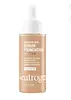
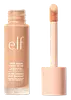
Neutrogena Sensitive Skin Serum Foundation with Moisturizing Vitamin-B5 Versus e.l.f. cosmetics Halo Glow Liquid Filter

What's inside
What's inside
 Key Ingredients
Benefits
Concerns
Ingredients Side-by-side
Water
Skin ConditioningButylene Glycol Dicaprylate/Dicaprate
EmollientDimethicone
Emollient

Phenyl Trimethicone
Skin Conditioning
Methyl Trimethicone
Skin Conditioning
Glycerin
Humectant

Lauryl PEG-10 Tris(Trimethylsiloxy)Silylethyl Dimethicone
Emulsifying
Pentylene Glycol
Skin Conditioning
Octyldodecyl Stearoyl Stearate
Emollient

Butylene Glycol
Humectant
Sodium Chloride
MaskingCetyl PEG/PPG-10/1 Dimethicone
Emulsifying
Isododecane
Emollient1,2-Hexanediol
Skin Conditioning
Panthenol
Skin Conditioning

Trimethylsiloxysilicate
Emollient
Diphenylsiloxy Phenyl Trimethicone
Skin Conditioning
Polymethylsilsesquioxane
Silica
Abrasive


Dimethicone/Vinyl Dimethicone Crosspolymer
Skin Conditioning
Glyceryl Caprylate
EmollientTribehenin
Emollient
Disteardimonium Hectorite
StabilisingTriethoxycaprylylsilane
Disodium EDTA
ChelatingTitanium Dioxide
Cosmetic Colorant

Iron Oxides
Mica
Cosmetic ColorantWater, Butylene Glycol Dicaprylate/Dicaprate, Dimethicone, Phenyl Trimethicone, Methyl Trimethicone, Glycerin, Lauryl PEG-10 Tris(Trimethylsiloxy)Silylethyl Dimethicone, Pentylene Glycol, Octyldodecyl Stearoyl Stearate, Butylene Glycol, Sodium Chloride, Cetyl PEG/PPG-10/1 Dimethicone, Isododecane, 1,2-Hexanediol, Panthenol, Trimethylsiloxysilicate, Diphenylsiloxy Phenyl Trimethicone, Polymethylsilsesquioxane, Silica, Dimethicone/Vinyl Dimethicone Crosspolymer, Glyceryl Caprylate, Tribehenin, Disteardimonium Hectorite, Triethoxycaprylylsilane, Disodium EDTA, Titanium Dioxide, Iron Oxides, Mica
Water
Skin ConditioningHydrogenated Didecene
Skin ConditioningSqualane
Emollient
Propylene Glycol
Humectant
Glycerin
Humectant
Octyldodecanol
Emollient
Cetyl PEG/PPG-10/1 Dimethicone
Emulsifying
Dimethicone
Emollient
Polyglyceryl-4 Isostearate
Emulsifying
Synthetic Fluorphlogopite
Isoamyl Laurate
Emollient
Hydrogenated Styrene/Isoprene Copolymer
Ethylhexyl Hydroxystearate
Emollient
Sodium Chloride
MaskingPhenoxyethanol
Preservative
Caprylic/Capric Triglyceride
Masking
Disteardimonium Hectorite
StabilisingPropylene Carbonate
SolventEthylhexylglycerin
Skin ConditioningCaprylyl Glycol
Emollient
Helianthus Annuus Seed Oil
Emollient
Aluminum Hydroxide
EmollientHydrolyzed Sodium Hyaluronate
Skin Conditioning
Sodium Hyaluronate
Humectant
Disodium EDTA
ChelatingTocopherol
Antioxidant



Triethoxycaprylylsilane
Polymethylsilsesquioxane
Calendula Officinalis Flower Extract
Masking
Tin Oxide
Abrasive
Pentaerythrityl Tetra-Di-T-Butyl Hydroxyhydrocinnamate
Antioxidant
CI 77891
Cosmetic ColorantCI 77492
Cosmetic ColorantCI 77491
Cosmetic ColorantCI 77499
Cosmetic ColorantCI 77163
Cosmetic Colorant
Water, Hydrogenated Didecene, Squalane, Propylene Glycol, Glycerin, Octyldodecanol, Cetyl PEG/PPG-10/1 Dimethicone, Dimethicone, Polyglyceryl-4 Isostearate, Synthetic Fluorphlogopite, Isoamyl Laurate, Hydrogenated Styrene/Isoprene Copolymer, Ethylhexyl Hydroxystearate, Sodium Chloride, Phenoxyethanol, Caprylic/Capric Triglyceride, Disteardimonium Hectorite, Propylene Carbonate, Ethylhexylglycerin, Caprylyl Glycol, Helianthus Annuus Seed Oil, Aluminum Hydroxide, Hydrolyzed Sodium Hyaluronate, Sodium Hyaluronate, Disodium EDTA, Tocopherol, Triethoxycaprylylsilane, Polymethylsilsesquioxane, Calendula Officinalis Flower Extract, Tin Oxide, Pentaerythrityl Tetra-Di-T-Butyl Hydroxyhydrocinnamate, CI 77891, CI 77492, CI 77491, CI 77499, CI 77163
Reviews
Ingredients Explained
These ingredients are found in both products.
Ingredients higher up in an ingredient list are typically present in a larger amount.
This ingredient is a silicone-based emulsifer that helps the water and oil phases play nicely together.
It's pretty effective because one end of the molecule loves oil and the other one loves water.
Besides holding formulas together, it also leaves a silky and lightweight feel on skin without the greasiness. A manufacturer also claims it can help with the controlled release of active ingredients.
The CIR Expert Panel found this ingredient to not be sensitizing in concentrations up to 15% in human maximazation testing and dimethicone-based compounds were not comedogenic.
It has a high molecular weight well above 1,000 g/mol which means it limits meaningful skin penetration.
A 2019 study specifically tested this ingredient and found no observable Malassezia growth in its presence.
Learn more about Cetyl PEG/PPG-10/1 DimethiconeDimethicone is a type of synthetic silicone created from natural materials such as quartz. It is also known as polydimethylsiloxane.
What it does:
Dimethicone comes in different viscosities:
Depending on the viscosity, dimethicone has different properties.
Ingredients lists don't always show which type is used, so we recommend reaching out to the brand if you have questions about the viscosity.
This ingredient is unlikely to cause irritation because it does not get absorbed into skin. However, people with silicone allergies should be careful about using this ingredient.
Note: Dimethicone may contribute to pilling. This is because it is not oil or water soluble, so pilling may occur when layered with products. When mixed with heavy oils in a formula, the outcome is also quite greasy.
Learn more about DimethiconeDisodium EDTA is a chelating agent. It grabs onto and deactivates metal ions that sneak into your products from water, packaging, or air.
This ingredient mainly works behind the scenes and helps with:
On top of that, this ingredient can counteract the effects of hard water by binding to the minerals in it.
One thing worth knowing is that Disodium EDTA has been shown to be a mild penetration enhancer. It can help other ingredients absorb into skin more effectively which can be a double-edged sword (great for actives, but can also make the active too strong if you have sensitive skin).
Clinical patch testing showed no significant skin irritation at typical use concentrations and minimal dermal absorption.
You'll most likely see this ingredient near the end of an ingredient list. It's typically found in concentrations less than 1%.
Learn more about Disodium EDTADisteardimonium Hectorite comes from the clay mineral named hectorite. It is used to add thickness to a product.
It can also help stabilize a product by helping to disperse other ingredients.
Hectorite is a rare, white clay mineral.
Learn more about Disteardimonium HectoriteGlycerin (or glycerol) is a compound naturally found in your skin. It's a powerhouse humectant that pulls water into the stratum corneum.
Topically, glycerin does several things at once:
Your skin makes glycerin on its own (mostly from sebaceous oil breakdown) and shuttles it to your outermost layer of skin, or your epidermis, via aquaporin-3.
Aquaporin-3 is a transporter that is essential for normal skin hydration, elasticity, and repair. Interestingly, mice lacking in AQP3 have dry and less elastic skin that can be fully corrected with glycerin.
This ingredient is non-irritating, plays well with almost every ingredient, and works across all skin types. Typical use is anywhere between 3-10% but can go up to 79% in some leave-on products.
Just know very high concentrations (>40%) can feel tacky in low humidity.
Glycerin is the name for this ingredient in American English. British English uses Glycerol/Glycerine.
Learn more about GlycerinPolymethylsilsesquioxane is a silicone used as a film forming agent.
When applied to the skin, this ingredient creates an invisible film on the surface. This film still allows oxygen to pass through, but prevents moisture from escaping. This can help condition and hydrate the skin. It also leaves a silky feel when applied.
Polymethylsilsesquioxane has not been shown to clog pores. It has been deemed safe to use up to 55%, but most cosmetics use much less.
If you have concerns about using this ingredient, we recommend speaking with a professional.
Learn more about PolymethylsilsesquioxaneChances are, you eat sodium chloride every day. Sodium Chloride is also known as table salt. This ingredient has many purposes in skincare: thickener, emulsifier, and exfoliator.
You'll most likely find this ingredient in cleansers where it is used to create a gel-like texture. As an emulsifier, it also prevents ingredients from separating.
You might see people debate whether Sodium Chloride is comedogenic, but there actually haven't been any comedogenic tests done on it. Either way, the overall formulation of a product matters a lot more than any single ingredient.
You might see this ingredient used in scrubs as a primary exfoliating ingredient.
Learn more about Sodium ChlorideTriethoxycaprylylsilane is a silicon-based surface modifier that makes sunscreens feel silky and makeup stay put.
Its main job is to coat mineral particles like titanium dioxide, zinc oxide, and color pigments in a thin, oily layer so they spread smoothly, don't clump, and stick to skin better.
This ingredient is typically used at low levels (up to 2.5% in eyeshadow and 1% in lipstick).
Learn more about TriethoxycaprylylsilaneWater. It's the most common cosmetic ingredient of all. You'll usually see it at the top of ingredient lists, meaning that it makes up the largest part of the product.
So why is it so popular? Water most often acts as a solvent - this means that it helps dissolve other ingredients into the formulation.
You'll also recognize water as that liquid we all need to stay alive. If you see this, drink a glass of water. Remember to stay hydrated!
Learn more about Water

