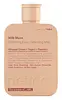
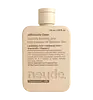
Neude Skin Milk Muse Softening Face Cleansing Milk Versus Neude Skin Jelliciously Clean Jelly Face Cleanser
This mild cream cleanser is made to cleanse without leaving your skin tight or dry.
This lactic acid gel cleanser is formulated around Lactic Acid to exfoliate and smooth skin.

What's inside
What's inside
 Key Ingredients
Benefits
Concerns
Ingredients Side-by-side
Water
Skin ConditioningCocos Nucifera Oil
Masking








Cream
EmollientGlyceryl Stearate
Emollient
PEG-100 Stearate
Surfactant
Butyrospermum Parkii Butter
Skin Conditioning
Caprylic/Capric Triglyceride
Masking
Yogurt
Skin ProtectingNiacinamide
Smoothing










Avena Sativa Kernel Oil
Skin Conditioning
Betaine
Humectant
Propanediol
Solvent
Cetyl Alcohol
Emollient
Lactic Acid
Buffering

Polysorbate 20
Emulsifying
Glycerin
Humectant
Triethanolamine
BufferingPotassium Sorbate
Preservative
Sodium Benzoate
Masking
Allantoin
Skin Conditioning
Salicylic Acid
Masking

Sodium Gluconate
ChelatingAcetyl Hexapeptide-8
Humectant
Caprylyl Glycol
Emollient
Parfum
Masking
Water, Cocos Nucifera Oil, Cream, Glyceryl Stearate, PEG-100 Stearate, Butyrospermum Parkii Butter, Caprylic/Capric Triglyceride, Yogurt, Niacinamide, Avena Sativa Kernel Oil, Betaine, Propanediol, Cetyl Alcohol, Lactic Acid, Polysorbate 20, Glycerin, Triethanolamine, Potassium Sorbate, Sodium Benzoate, Allantoin, Salicylic Acid, Sodium Gluconate, Acetyl Hexapeptide-8, Caprylyl Glycol, Parfum
Water
Skin ConditioningSodium Polyacryloyldimethyl Taurate
Emulsion StabilisingHydrogenated Polydecene
EmollientTrideceth-10
CleansingButylene Glycol
Humectant
Propanediol
Solvent
Lactic Acid
Buffering
Sodium Lauroyl Sarcosinate
CleansingDecyl Glucoside
Cleansing
Cocamidopropyl Hydroxysultaine
Cleansing
Panthenol
Skin Conditioning
Xylitylglucoside
Humectant
Anhydroxylitol
Humectant
Xylitol
Humectant
Betaine
Humectant
Glycerin
Humectant
Gluconolactone
Chelating
Honey
Humectant
Lactobionic Acid
Buffering
Hyaluronic Acid
Humectant
Magnesium Ascorbyl Phosphate
Antioxidant

Phenoxyethanol
Preservative
Ethylhexylglycerin
Skin ConditioningAllantoin
Skin Conditioning
Simmondsia Chinensis Seed Oil
Emollient
Citrus Reticulata Peel Oil
Masking
Sodium Gluconate
ChelatingWater, Sodium Polyacryloyldimethyl Taurate, Hydrogenated Polydecene, Trideceth-10, Butylene Glycol, Propanediol, Lactic Acid, Sodium Lauroyl Sarcosinate, Decyl Glucoside, Cocamidopropyl Hydroxysultaine, Panthenol, Xylitylglucoside, Anhydroxylitol, Xylitol, Betaine, Glycerin, Gluconolactone, Honey, Lactobionic Acid, Hyaluronic Acid, Magnesium Ascorbyl Phosphate, Phenoxyethanol, Ethylhexylglycerin, Allantoin, Simmondsia Chinensis Seed Oil, Citrus Reticulata Peel Oil, Sodium Gluconate
Ingredients Explained
These ingredients are found in both products.
Ingredients higher up in an ingredient list are typically present in a larger amount.
Allantoin is a soothing ingredient known for its protective and moisturizing properties; it's basically a quiet workhorse ingredient you can find in a huge range of cosmetics.
Though it can be derived from the comfrey plant, allantoin is produced synthetically for cosmetic products to ensure purity.
Research shows it can encourage your skin cells to turn over and renew by stimulating keratinocyte and fibroblast proliferation.
It also has mild keratolytic properties to help loosen and shed dead skin cells without being harsh.
Studies also suggest allantoin can help calm inflammation by dialing down some of the chemical signals your skin sends out when it is irritated.
This ingredient is typically used in the 0.1-0.5% range, and the FDA recognizes it as a skin protectant in OTC products up to 2%.
Overall, allantoin is a wonderful addition to most routines; it is stable across a wide pH range (~4-8), works well with other ingredients, and is considered non-sensitizing/non-irritating.
Fun fact: Allantoin is naturally occurring in comfrey root, beets, chamomile, and wheat sprouts. Our bodies even produce it as a byproduct of uric acid metabolism.
Learn more about AllantoinBetaine is a humectant. Like hyaluronic acid, it helps attract and retain moisture in the skin. It’s known for being gentle and for helping the skin maintain balanced hydration.
Betaine is mainly used to improve hydration and support calmer skin. It helps skin cells regulate water balance because it functions as an osmolyte.
Some studies suggest betaine may support making skin tone more even.
Fun fact: Betaine naturally exists in the skin and the body. In cosmetic products, it can be either plant-derived (most commonly from sugar beets) or synthetically produced for consistency and stability.
Betaine is also known as trimethylglycine.
Learn more about BetaineGlycerin (or glycerol) is a compound naturally found in your skin. It's a powerhouse humectant that pulls water into the stratum corneum.
Topically, glycerin does several things at once:
Your skin makes glycerin on its own (mostly from sebaceous oil breakdown) and shuttles it to your outermost layer of skin, or your epidermis, via aquaporin-3.
Aquaporin-3 is a transporter that is essential for normal skin hydration, elasticity, and repair. Interestingly, mice lacking in AQP3 have dry and less elastic skin that can be fully corrected with glycerin.
This ingredient is non-irritating, plays well with almost every ingredient, and works across all skin types. Typical use is anywhere between 3-10% but can go up to 79% in some leave-on products.
Just know very high concentrations (>40%) can feel tacky in low humidity.
Glycerin is the name for this ingredient in American English. British English uses Glycerol/Glycerine.
Learn more about GlycerinLactic Acid is another well-loved alpha hydroxy acid (AHA). It is gentler than glycolic acid but still highly effective.
Its main role is to exfoliate the surface of the skin by loosening the “glue” that holds dead skin cells together. Shedding those old cells leads to smoother, softer, and more even-toned skin.
Because lactic acid molecules are larger than glycolic acid, they don’t penetrate as deeply. This means they’re less likely to sting or irritate, making it a great choice for beginners or those with sensitive skin.
Like glycolic acid, it can:
Lactic acid also acts as a humectant (like hyaluronic acid). It can draw water into the skin to improve hydration and also plays a role in the skin's natural moisturizing factor (NMF) in the form of sodium lactate.
Studies show it can boost ceramide production to strengthen the skin barrier and even help balance the skin’s microbiome.
To get results, choose products with a pH between 3-4.
Lower strengths (5-12%) focus on surface exfoliation; higher strengths (12% and up) can reach deeper in the dermis (deeper, supportive layer) to improve skin texture and firmness over time.
Though it was originally derived from milk, most modern lactic acid used in skincare is vegan. It is made through non-dairy fermentation to create a bio-identical and stable form suitable for all formulations.
When lactic acid shows up near the end of an ingredient list, it usually means the brand added just a tiny amount to adjust the product’s pH.
Legend has it that Cleopatra used to bathe in sour milk to help reduce wrinkles.
Lactic acid is truly a gentle multitasker: it exfoliates, hydrates, strengthens, and brightens. It's a great ingredient for giving your skin a smooth, glowing, and healthy look without the harshness of stronger acids.
Read more about some other popular AHA's here:
Learn more about Lactic AcidPropanediol is an all-star ingredient. It softens, hydrates, and smooths the skin.
It’s often used to:
Propanediol is not likely to cause sensitivity and considered safe to use. It is derived from corn or petroleum with a clear color and no scent.
Learn more about PropanediolSodium Gluconate is the sodium salt of gluconic acid. In skincare, its main job is as a chelator.
Chelators grab onto stray metal ions like iron and copper that sneak in through water, raw materials, or manufacturing equipment. This stops them from triggering reactions that cause oils to go rancid, formulas to change color, and actives like vitamin C to fall apart.
This ingredient is often chosen as a biodegradable, gentler-sounding alternative to EDTA. It also pulls double duty as a mild humectant and pH buffer.
Typical use levels sit around 0.1-1% and supplier documents list up to 10% as an acceptable ceiling. Industry data found this ingredient family is mostly used well below 1% in leave on products.
Allergy risk is very low; animal testing has found it to be non-irritating to skin and eyes, mutagenicity assays came back negative, and there are no published reports of allergic contact dermatitis to it.
Learn more about Sodium GluconateWater. It's the most common cosmetic ingredient of all. You'll usually see it at the top of ingredient lists, meaning that it makes up the largest part of the product.
So why is it so popular? Water most often acts as a solvent - this means that it helps dissolve other ingredients into the formulation.
You'll also recognize water as that liquid we all need to stay alive. If you see this, drink a glass of water. Remember to stay hydrated!
Learn more about Water


