
What's inside
What's inside
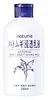 Key Ingredients
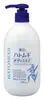
No key ingredients
Benefits
Concerns
Ingredients Side-by-side
Water
Skin ConditioningGlycerin
Humectant


Paraffinum Liquidum
Emollient


Butylene Glycol
Humectant
Coix Lacryma-Jobi Ma-Yuen Seed Extract
Skin ConditioningBetaine
Humectant
Cholesteryl/Octyldodecyl Lauroyl Glutamate
Skin ConditioningHydroxyethyl Acrylate/Sodium Acryloyldimethyl Taurate Copolymer
Emulsion StabilisingAcrylates/C10-30 Alkyl Acrylate Crosspolymer
Emulsion StabilisingPolyglyceryl-10 Eicosanedioate/Tetradecanedioate
Skin ConditioningPEG-150
HumectantSodium Hydroxide
BufferingSorbitan Isostearate
Emulsifying

Isohexadecane
EmollientStearic Acid
Cleansing
Sucrose Stearate
EmollientSorbitan Sesquioleate
Emulsifying
Sodium Palmoyl Glutamate
CleansingBehenyl Alcohol
Emollient
Polysorbate 60
Emulsifying
Methyl Gluceth-10
EmulsifyingMethylparaben
Preservative



Water, Glycerin, Paraffinum Liquidum, Butylene Glycol, Coix Lacryma-Jobi Ma-Yuen Seed Extract, Betaine, Cholesteryl/Octyldodecyl Lauroyl Glutamate, Hydroxyethyl Acrylate/Sodium Acryloyldimethyl Taurate Copolymer, Acrylates/C10-30 Alkyl Acrylate Crosspolymer, Polyglyceryl-10 Eicosanedioate/Tetradecanedioate, PEG-150, Sodium Hydroxide, Sorbitan Isostearate, Isohexadecane, Stearic Acid, Sucrose Stearate, Sorbitan Sesquioleate, Sodium Palmoyl Glutamate, Behenyl Alcohol, Polysorbate 60, Methyl Gluceth-10, Methylparaben
Water
Skin ConditioningGlycerin
Humectant
Paraffinum Liquidum
Emollient
Butylene Glycol
Humectant
Squalane
Emollient
Betaine
Humectant
Dimethicone
Emollient
Coix Lacryma-Jobi Ma-Yuen Seed Extract
Skin ConditioningSodium Hyaluronate
Humectant

Soluble Collagen
Humectant
Simmondsia Chinensis Seed Oil
Emollient
Argania Spinosa Kernel Oil
Emollient

Carbomer
Emulsion StabilisingSteareth-6
EmulsifyingTetrasodium EDTA
ChelatingSodium Hydroxide
BufferingPhenoxyethanol
Preservative
Sodium Benzoate
Masking
Methylparaben
Preservative
Parfum
Masking

Water, Glycerin, Paraffinum Liquidum, Butylene Glycol, Squalane, Betaine, Dimethicone, Coix Lacryma-Jobi Ma-Yuen Seed Extract, Sodium Hyaluronate, Soluble Collagen, Simmondsia Chinensis Seed Oil, Argania Spinosa Kernel Oil, Carbomer, Steareth-6, Tetrasodium EDTA, Sodium Hydroxide, Phenoxyethanol, Sodium Benzoate, Methylparaben, Parfum
Reviews
Ingredients Explained
These ingredients are found in both products.
Ingredients higher up in an ingredient list are typically present in a larger amount.
Betaine is a humectant. Like hyaluronic acid, it helps attract and retain moisture in the skin. It’s known for being gentle and for helping the skin maintain balanced hydration.
Betaine is mainly used to improve hydration and support calmer skin. It helps skin cells regulate water balance because it functions as an osmolyte.
Some studies suggest betaine may support making skin tone more even.
Fun fact: Betaine naturally exists in the skin and the body. In cosmetic products, it can be either plant-derived (most commonly from sugar beets) or synthetically produced for consistency and stability.
Betaine is also known as trimethylglycine.
Learn more about BetaineButylene Glycol (or BG) is used within cosmetic products for a few different reasons:
Overall, Butylene Glycol is a safe and well-rounded ingredient that works well with other ingredients.
Though this ingredient works well with most skin types, some people with sensitive skin may experience a reaction such as allergic rashes, closed comedones, or itchiness.
Learn more about Butylene GlycolYou might know this plant as Job's Tears or Chinese pearl barley. It is a grain native to Southeast Asia.
This ingredient has skin conditioning properties. Emerging studies show the grain to exhibit antioxidant and anti-inflammation properties as well. (With one study finding this ingredient to be effective at blocking melanin when skin is exposed to UV).
Job's tears is rich in nutrients, such as thiamine, riboflavin, niacin and ascorbic acid.
You can also find great antioxidants such as ferulic acid, caffeic acid.
To top if off, ceramides are also present in this grain.
Learn more about Coix Lacryma-Jobi Ma-Yuen Seed ExtractGlycerin (or glycerol) is a compound naturally found in your skin. It's a powerhouse humectant that pulls water into the stratum corneum.
Topically, glycerin does several things at once:
Your skin makes glycerin on its own (mostly from sebaceous oil breakdown) and shuttles it to your outermost layer of skin, or your epidermis, via aquaporin-3.
Aquaporin-3 is a transporter that is essential for normal skin hydration, elasticity, and repair. Interestingly, mice lacking in AQP3 have dry and less elastic skin that can be fully corrected with glycerin.
This ingredient is non-irritating, plays well with almost every ingredient, and works across all skin types. Typical use is anywhere between 3-10% but can go up to 79% in some leave-on products.
Just know very high concentrations (>40%) can feel tacky in low humidity.
Glycerin is the name for this ingredient in American English. British English uses Glycerol/Glycerine.
Learn more about GlycerinMethylparaben is a synthetic preservative and one of the most widely used in the world. It has a simple, but important job: prevent your products from going bad by stopping bacteria, yeast, and mold from growing.
Typical use levels are low, often 0.1-0.3%.
This is also one of the most heavily studied preservatives out there and major regulatory bodies have repeatedly given it the green light.
In 2023, the EU's Scientific Committee on Consumer Safety (SCCS) confirmed that this ingredient is safe up to 0.4% on its own, of up to 0.8% when mixed with other paraben esters.
Here's the science behind the noise behind parabens/hormones as well:
Methylparaben shows very weak estrogen-like activity in vitro tests (more than 1,000x weaker than your body's own estradiol). In vivo (live-organism) studies don't support a meaningful endocrine-disrupting effect either.
You get a stronger estrogenic effect from eating tofu, actually.
It's also a low sensitizer and allergic reactions are uncommon; they usually happen on damage or broken skin.
There is a caveat: France has proposed to formally re-examine its endocrine classification in 2025 so the regulatory conversation isn't fully closed as of yet.
But as it stands today, this ingredient is considered safe at permitted levels.
Learn more about MethylparabenParaffinum Liquidum is a highly-refined cosmetic-grade mineral oil. It is also known as liquid paraffin.
Despite its controversial reputation, the science is pretty clear: it's one of the most well-studied and effective moisturizing ingredients out there.
As an occlusive, it forms a protective layer on the skin that locks in moisture and prevents transepidermal water loss (TEWL). This makes it especially great for compromised skin barriers.
The "it clogs your pores" myth has been around for decades; a study found that industrial-grade mineral oil may be comedogenic but cosmetic-grade mineral oil is not (these two are very, very different).
A 2017 review concluded that cosmetic use of mineral oils and waxes does not present a risk to consumers due to absorption.
Mineral oil got a bad rap from the old rabbit ear studies. When tested on actual human skin, cosmetic-grade mineral oil showed no comedogenic activity. The rating of 0 is a correction of outdated science.
Mineral oil is an inert substance with no fatty acids so there's nothing to feed Malassezia. This ingredient is fungal acne safe.
Learn more about Paraffinum LiquidumSodium Hydroxide is also known as lye or caustic soda. It is used to adjust the pH of products; many ingredients require a specific pH to be effective.
In small amounts, sodium hydroxide is considered safe to use. However, large amounts may cause chemical burns due to its high alkaline.
Your skin has a natural pH and acid mantle. This acid mantle helps prevent harmful bacteria from breaking through. The acid mantle also helps keep your skin hydrated.
"Alkaline" refers to a high pH level. A low pH level would be considered acidic.
Learn more about Sodium HydroxideWater. It's the most common cosmetic ingredient of all. You'll usually see it at the top of ingredient lists, meaning that it makes up the largest part of the product.
So why is it so popular? Water most often acts as a solvent - this means that it helps dissolve other ingredients into the formulation.
You'll also recognize water as that liquid we all need to stay alive. If you see this, drink a glass of water. Remember to stay hydrated!
Learn more about Water

