
What's inside
What's inside
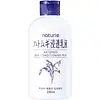 Key Ingredients
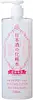
No key ingredients
Benefits
Concerns
Ingredients Side-by-side
Water
Skin ConditioningGlycerin
Humectant



Paraffinum Liquidum
Emollient


Butylene Glycol
Humectant
Coix Lacryma-Jobi Ma-Yuen Seed Extract
Skin ConditioningBetaine
Humectant

Cholesteryl/Octyldodecyl Lauroyl Glutamate
Skin ConditioningHydroxyethyl Acrylate/Sodium Acryloyldimethyl Taurate Copolymer
Emulsion StabilisingAcrylates/C10-30 Alkyl Acrylate Crosspolymer
Emulsion StabilisingPolyglyceryl-10 Eicosanedioate/Tetradecanedioate
Skin ConditioningPEG-150
HumectantSodium Hydroxide
BufferingSorbitan Isostearate
Emulsifying
Isohexadecane
EmollientStearic Acid
Cleansing
Sucrose Stearate
EmollientSorbitan Sesquioleate
Emulsifying
Sodium Palmoyl Glutamate
CleansingBehenyl Alcohol
Emollient
Polysorbate 60
Emulsifying
Methyl Gluceth-10
EmulsifyingMethylparaben
Preservative



Water, Glycerin, Paraffinum Liquidum, Butylene Glycol, Coix Lacryma-Jobi Ma-Yuen Seed Extract, Betaine, Cholesteryl/Octyldodecyl Lauroyl Glutamate, Hydroxyethyl Acrylate/Sodium Acryloyldimethyl Taurate Copolymer, Acrylates/C10-30 Alkyl Acrylate Crosspolymer, Polyglyceryl-10 Eicosanedioate/Tetradecanedioate, PEG-150, Sodium Hydroxide, Sorbitan Isostearate, Isohexadecane, Stearic Acid, Sucrose Stearate, Sorbitan Sesquioleate, Sodium Palmoyl Glutamate, Behenyl Alcohol, Polysorbate 60, Methyl Gluceth-10, Methylparaben
Water
Skin ConditioningGlycerin
Humectant
Butylene Glycol
Humectant
Sodium Styrene/Acrylates Copolymer
Methyl Gluceth-10
EmulsifyingMaltitol
HumectantGlutamic Acid
Humectant
Arbutin
Antioxidant

Leucine
Skin ConditioningGlycine Soja Protein
EmulsifyingCeramide NP
Skin Conditioning

Arginine
Masking
Placental Protein
HumectantDipotassium Glycyrrhizate
Humectant
Ceramide AP
Skin Conditioning
Hydroxyethylcellulose
Emulsion StabilisingPEG-60 Hydrogenated Castor Oil
Emulsifying
Sodium Citrate
BufferingCitric Acid
Buffering




Phenoxyethanol
Preservative
Methylparaben
Preservative
Rice Ferment Filtrate
Skin Conditioning
Parfum
Masking
Water, Glycerin, Butylene Glycol, Sodium Styrene/Acrylates Copolymer, Methyl Gluceth-10, Maltitol, Glutamic Acid, Arbutin, Leucine, Glycine Soja Protein, Ceramide NP, Arginine, Placental Protein, Dipotassium Glycyrrhizate, Ceramide AP, Hydroxyethylcellulose, PEG-60 Hydrogenated Castor Oil, Sodium Citrate, Citric Acid, Phenoxyethanol, Methylparaben, Rice Ferment Filtrate, Parfum
Reviews
Ingredients Explained
These ingredients are found in both products.
Ingredients higher up in an ingredient list are typically present in a larger amount.
Butylene Glycol (or BG) is used within cosmetic products for a few different reasons:
Overall, Butylene Glycol is a safe and well-rounded ingredient that works well with other ingredients.
Though this ingredient works well with most skin types, some people with sensitive skin may experience a reaction such as allergic rashes, closed comedones, or itchiness.
Learn more about Butylene GlycolGlycerin is already naturally found in your skin. It helps moisturize and protect your skin.
A study from 2016 found glycerin to be more effective as a humectant than AHAs and hyaluronic acid.
As a humectant, it helps the skin stay hydrated by pulling moisture to your skin. The low molecular weight of glycerin allows it to pull moisture into the deeper layers of your skin.
Hydrated skin improves your skin barrier; Your skin barrier helps protect against irritants and bacteria.
Glycerin has also been found to have antimicrobial and antiviral properties. Due to these properties, glycerin is often used in wound and burn treatments.
In cosmetics, glycerin is usually derived from plants such as soybean or palm. However, it can also be sourced from animals, such as tallow or animal fat.
This ingredient is organic, colorless, odorless, and non-toxic.
Glycerin is the name for this ingredient in American English. British English uses Glycerol/Glycerine.
Learn more about GlycerinWe don't have a description for Methyl Gluceth-10 yet.
Methylparaben is a preservative and is a paraben. It is used to prevent the growth of fungus, mold, and other harmful bacteria. Parabens are chemicals used as preservatives in both cosmetics and food.
Methylparaben can be synthetically created. It can also be found naturally in some fruits, such as blueberries.
Oftentimes, Methylparaben is combined with other parabens to help increase the shelf life.
The safety of Methylparaben is currently being studied. While ongoing studies are looking into the safety of parabens, the results have been very mixed. Some studies have not found Methylparaben to be harmful.
Learn more about MethylparabenWater. It's the most common cosmetic ingredient of all. You'll usually see it at the top of ingredient lists, meaning that it makes up the largest part of the product.
So why is it so popular? Water most often acts as a solvent - this means that it helps dissolve other ingredients into the formulation.
You'll also recognize water as that liquid we all need to stay alive. If you see this, drink a glass of water. Stay hydrated!
Learn more about Water
