
What's inside
What's inside
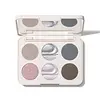 Key Ingredients
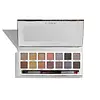
Benefits
Concerns
Ingredients Side-by-side
Mica
Cosmetic ColorantSynthetic Fluorphlogopite
Talc
Abrasive
Dimethicone
Emollient

Hydrogenated Polyisobutene
EmollientMagnesium Stearate
Cosmetic ColorantOctyldodecyl Stearoyl Stearate
Emollient

Ethylhexyl Palmitate
Emollient


Bis-Diglyceryl Polyacyladipate-2
Emollient
Silica
Abrasive

Boron Nitride
Absorbent
Phenoxyethanol
Preservative
Vinyl Dimethicone/Methicone Silsesquioxane Crosspolymer
Aluminum Starch Octenylsuccinate
Absorbent
Tocopheryl Acetate
Antioxidant


Tin Oxide
Abrasive
Lauroyl Lysine
Skin Conditioning
Hydroxyapatite
Abrasive
Mangifera Indica Seed Oil
Emollient
Caprylyl Glycol
Emollient
Water
Skin ConditioningEthylhexylglycerin
Skin ConditioningZinc Oxide
Cosmetic Colorant

Tocopherol
Antioxidant



Titanium Dioxide
Cosmetic Colorant
Iron Oxides
CI 77742
Cosmetic ColorantCalcium Sodium Borosilicate
Calcium Aluminum Borosilicate
Phenyl Trimethicone
Skin Conditioning
Polyglyceryl-2 Triisostearate
Emulsifying
Lauryl PEG-9 Polydimethylsiloxyethyl Dimethicone
Skin Conditioning
Polysorbate 80
Emulsifying
Dimethicone/Vinyl Dimethicone Crosspolymer
Skin Conditioning
Xanthan Gum
EmulsifyingSodium Acrylate/Sodium Acryloyldimethyl Taurate Copolymer
Emulsion StabilisingIsohexadecane
EmollientSorbitan Oleate
Emulsifying
CI 77000
Cosmetic ColorantCI 77499
Cosmetic ColorantMagnesium Myristate
Triethoxycaprylylsilane
CI 42090
Cosmetic ColorantHydroxyacetophenone
Antioxidant
Mica, Synthetic Fluorphlogopite, Talc, Dimethicone, Hydrogenated Polyisobutene, Magnesium Stearate, Octyldodecyl Stearoyl Stearate, Ethylhexyl Palmitate, Bis-Diglyceryl Polyacyladipate-2, Silica, Boron Nitride, Phenoxyethanol, Vinyl Dimethicone/Methicone Silsesquioxane Crosspolymer, Aluminum Starch Octenylsuccinate, Tocopheryl Acetate, Tin Oxide, Lauroyl Lysine, Hydroxyapatite, Mangifera Indica Seed Oil, Caprylyl Glycol, Water, Ethylhexylglycerin, Zinc Oxide, Tocopherol, Titanium Dioxide, Iron Oxides, CI 77742, Calcium Sodium Borosilicate, Calcium Aluminum Borosilicate, Phenyl Trimethicone, Polyglyceryl-2 Triisostearate, Lauryl PEG-9 Polydimethylsiloxyethyl Dimethicone, Polysorbate 80, Dimethicone/Vinyl Dimethicone Crosspolymer, Xanthan Gum, Sodium Acrylate/Sodium Acryloyldimethyl Taurate Copolymer, Isohexadecane, Sorbitan Oleate, CI 77000, CI 77499, Magnesium Myristate, Triethoxycaprylylsilane, CI 42090, Hydroxyacetophenone
Mica
Cosmetic ColorantMagnesium Stearate
Cosmetic ColorantPhenyl Trimethicone
Skin Conditioning
Dimethicone
Emollient
Hydrogenated Polyisobutene
EmollientBis-Diglyceryl Polyacyladipate-2
Emollient
Caprylyl Glycol
Emollient
Hydroxyacetophenone
Antioxidant
Octyldodecyl Stearoyl Stearate
Emollient
Tocopheryl Acetate
Antioxidant
Kaolin
Abrasive
Triethoxycaprylylsilane
Hdi/Trimethylol Hexyllactone Crosspolymer
Silica
Abrasive
Calcium Sodium Borosilicate
Ethylhexyl Palmitate
Emollient
Isononyl Isononanoate
EmollientTridecyl Trimellitate
EmollientIsopropyl Isostearate
Emollient
Tin Oxide
Abrasive
Synthetic Fluorphlogopite
Trimethylsiloxysilicate
Emollient
Dimethicone/Vinyl Dimethicone Crosspolymer
Skin Conditioning
CI 77499
Cosmetic ColorantCI 77492
Cosmetic ColorantCI 42090
Cosmetic ColorantCI 19140
Cosmetic ColorantCI 77491
Cosmetic ColorantCI 77891
Cosmetic ColorantCI 77742
Cosmetic ColorantMica, Magnesium Stearate, Phenyl Trimethicone, Dimethicone, Hydrogenated Polyisobutene, Bis-Diglyceryl Polyacyladipate-2, Caprylyl Glycol, Hydroxyacetophenone, Octyldodecyl Stearoyl Stearate, Tocopheryl Acetate, Kaolin, Triethoxycaprylylsilane, Hdi/Trimethylol Hexyllactone Crosspolymer, Silica, Calcium Sodium Borosilicate, Ethylhexyl Palmitate, Isononyl Isononanoate, Tridecyl Trimellitate, Isopropyl Isostearate, Tin Oxide, Synthetic Fluorphlogopite, Trimethylsiloxysilicate, Dimethicone/Vinyl Dimethicone Crosspolymer, CI 77499, CI 77492, CI 42090, CI 19140, CI 77491, CI 77891, CI 77742
Ingredients Explained
These ingredients are found in both products.
Ingredients higher up in an ingredient list are typically present in a larger amount.
Bis-Diglyceryl Polyacyladipate-2 is a synthetic emollient that works as a lanolin substitute.
This ingredient is a great vegan option for those avoiding animal-derived ingredients.
It mostly stays on the surface of skin where it helps hydrate due to its large molecular size and low water solubility.
Due to it being derived from fatty acids, this ingredient may not be Malassezia or fungal acne safe.
Learn more about Bis-Diglyceryl Polyacyladipate-2Calcium Sodium Borosilicate is a bulking agent. It is considered a borosilicate glass; it is composed of powder or flakes of calcium and sodium borosilicates.
This ingredient is used to add volume, shine, and color to products. You'll most likely find this ingredient in makeup products.
According to in-vivo and ex-vivo studies done by a manufacturer, this ingredient works well with UV filters:
Learn more about Calcium Sodium BorosilicateCaprylyl Glycol is a humectant, skin conditioner, emollient, and preservative booster derived from either caprylic acid or synthetically created.
Typical use levels vary from 0.3-1% as a preservative booster and go up to 2% to condition skin.
Because it is not a free-fatty acid, this ingredient is fungal acne safe (there's nothing for Malassezia to feed on).
Learn more about Caprylyl GlycolCi 42090 is a synthetic dye created from petroleum. It is used to give a bright blue color to cosmetics, medicine, and food.
Ci 77499 is also hydrated iron III oxide. It is created from mixing red and black iron oxides. This helps give shades of darkness to a product.
Iron III oxides are classified as inorganic chemicals for coloring.
This ingredient is used to add a violet color to cosmetics.
It is created by reacting phosphoric acid, ammonium dihydrogen orthophosphate, and manganese dioxide.
Dimethicone is a type of synthetic silicone created from natural materials such as quartz. It is also known as polydimethylsiloxane.
What it does:
Dimethicone comes in different viscosities:
Depending on the viscosity, dimethicone has different properties.
Ingredients lists don't always show which type is used, so we recommend reaching out to the brand if you have questions about the viscosity.
This ingredient is unlikely to cause irritation because it does not get absorbed into skin. However, people with silicone allergies should be careful about using this ingredient.
Note: Dimethicone may contribute to pilling. This is because it is not oil or water soluble, so pilling may occur when layered with products. When mixed with heavy oils in a formula, the outcome is also quite greasy.
Learn more about DimethiconeThis ingredient is a silicone elastomer that works as a texture enhancer, adds a silky slip, and also helps absorb excess oil.
Because it's a large macromolecule that's insoluble in water and chemically inert, it's not expected to penetrate or be absorbed into skin.
Human patch tests with a facial lotion containing 1% of this ingredient found no sensitization.
Learn more about Dimethicone/Vinyl Dimethicone CrosspolymerEthylhexyl Palmitate, also known as octyl palmitate, is created from 2-ethylhexyl alcohol and palmitic acid.
In cosmetics, it plays many roles:
One thing worth noting: a controlled study found this ingredient applied under occlusion to acne-prone subjects increased microcomedones. Just keep in mind this was under occlusive conditions and don't reflect how most products are used day-to-day.
For most people, this is a well-tolerated and lightweight ingredient.
This ingredient may not be fungal acne safe because it is an ester of palmitic acid, a C16 fatty acid that falls within the C11-24 range that Malassezia can metabolize.
You'll see this one rated 4 comedogenic all over the internet. That number isn't from a single study, and the actual research is more interesting.
The original rating comes from 1980s rabbit ear tests (which are a shaky basis for anything). But Ethylhexyl Palmitate is one of the few ingredients with real human data behind it. A 2021 controlled trial found this ingredient increased microcomedones by an average of 365% over four weeks.
Just know that test used the pure ingredient under an occlusive pad on back skin; most products use it at much lower levels alongside other ingredients and plenty of people use those with no issue.
Learn more about Ethylhexyl PalmitateHydrogenated Polyisobutene is a synthetic polymer. Polymers are compounds with high molecular weight. Hydrogenated Polyisobutene is an emollient and texture enhancer.
In one study, Hydrogenated Polyisobutene showed better skin hydration levels than Caprylic/Capric Triglyceride. As an emollient, it helps keep your skin soft and hydrated by trapping moisture in.
Hydrogenated Polyisobutene is often used as a mineral oil replacement.
Learn more about Hydrogenated PolyisobuteneHydroxyacetophenone is a small phenolic molecule that earns its place in a formulas as an antioxidant and preservative booster.
As a phenol, it is able to neutralize free radicals to protect both the product and the skin from oxidative stress.
Though it can't kill microbes on its own, it works as a good supporting agent when combined with other preservatives like Phenoxyethanol or 1,2-Hexanediol.
This ingredient naturally occurs as piceol in Norwegian spruce needles (~0.4-1.1% dry weight and in cloudberries). Though the cosmetic-grade material is synthesized for purity and consistency.
You'll usually see it used at low levels and suppliers recommend up to 1% added to a water phase.
Safety testing was done at concentrations like 0.05% in SPF products and 0.5% in a Human Repeated Insult Patch Test. The safety evidence is assuring; this ingredient is safe for cosmetics in current use and also holds safety status as a food flavoring as well.
An honest caveat: the "soothing" and "anti-inflammatory" claims come mostly from supplier marketing rather than published clinical trials. The Cosmetic Ingredient Review's own literature search found no useful efficacy studies on this ingredient.
So the antioxidant and preservative-boosting roles are the well supported ones while the calming benefit is plausible but thinly evidenced.
Overall, this is a well-tolerated, low-irritation multitasker that quietly helps a formula stay fresh and stable.
Learn more about HydroxyacetophenoneMagnesium Stearate is a salt that is 2 parts stearic acid and 1 part magnesium.
It is a white powder that can be used to add bulk and color to products by binding to oil ingredients.
Mica is a naturally occurring mineral used to add shimmer and color in cosmetics. It can also help improve the texture of a product or give it an opaque, white/silver color.
Serecite is the name for very fine but ragged grains of mica.
This ingredient is often coated with metal oxides like titanium dioxide. Trace amounts of heavy metals may be found in mica, but these metals are not harmful in our personal products.
Mica has been used since prehistoric times throughout the world. Ancient Egyptian, Indian, Greek, Roman, Aztec, and Chinese civilizations have used mica.
Learn more about MicaOctyldodecyl Stearoyl Stearate is an emollient ester that mostly shows up in color cosmetics.
Functionally, it works as a skin-conditioning agent and a viscosity-increasing agent. This just means it helps soften skin while also thickening water-free formulas (like powders).
Despite being a "stearate", it has a lightweight, cushiony, and non-greasy slip.
This ingredient has shown no adverse effects in testing and is deemed safe in cosmetics at current use levels.
Typical concentrations range from 0.7-23%.
Because it is made of C-18 fatty acids (like stearic acid), this ingredient may not be fungal acne safe.
Learn more about Octyldodecyl Stearoyl StearatePhenyl Trimethicone is a silicon-based polymer. It is derived from silica.
Phenyl Trimethicone is used as an emollient and prevents products from foaming.
As an emollient, it helps trap moisture in the skin. It is considered an occlusive.
Learn more about Phenyl TrimethiconeSilica, also known as silicon dioxide, is a naturally occurring mineral. It is used as a fine, spherical, and porous powder in cosmetics.
Though it has exfoliant properties, the function of silica varies depending on the product.
The unique structure of silica enhances the spreadability and adds smoothness, making it a great texture enhancer.
It is also used as an active carrier, emulsifier, and mattifier due to its ability to absorb excess oil.
In some products, tiny microneedles called spicules are made from silica or hydrolyzed sponge. When you rub them in, they lightly polish away dead skin layers and enhance the penetration of active ingredients.
Learn more about SilicaSynthetic Fluorphlogopite is the synthethic version of mica. It consists of fluorine, aluminum and silicate.
Synthetic Fluorphlogopite is used to add volume to products.
It is considered non-irritating on the skin.
Learn more about Synthetic FluorphlogopiteTin Oxide is an inorganic oxide used to add opacity and volume to a product. In nature, it is already found in mineral form. The main ore of tin is an opaque and shiny mineral called casseterite.
Tin Oxide helps remove translucency in a product, or make it more opaque. Besides adding opacity, tin oxide is used for bulking to add volume.
Tocopheryl Acetate is a stable, shelf-friendly form of vitamin E.
Formulators love it because plain vitamin E oxidizes quickly once it hits air. This acetate version stays stable and resists going off, helping to extend a product's shelf life.
It's actually inactive on its own and works like a slow-release "storage" form; the enzymes in your skin called esterases gradually convert it into active vitamin E over time.
One in vivo study showed 5% of the acetate in the living layer of the epidermis converted to vitamin E after 5 days of application. This study also found the skin gained protection against UV damage even though the conversion was slow and small.
Once converted, vitamin E acts as a skin's main fat-soluble antioxidant that fights free radicals to protect skin from damage.
Topical vitamin E generally boosts the skin's photoprotection, and it reduced UV-damage in animal models.
This ingredient has some brightening potential but it's more of a prevention ingredient than spot-fader. Cell studies show it can slow down melanin production but it's worth noting that it's not the most powerful brightener out there.
Overall, it has a pretty solid safety profile and has been found to be non-irritating and non-comedogenic. Allergic reactions may happen but stay rare due to how widely the ingredient gets used.
The concentration will vary depending on the formula; industry data shows 0.1% in baby lotions, 3% in lipsticks, and 5% in foot powders. You can also find this ingredient at 100% in a pure vitamin E oil.
Most leave-on skincare keeps it at the lower end, often between 0.5-1%.
Learn more about Tocopheryl AcetateTriethoxycaprylylsilane is a silicon-based surface modifier that makes sunscreens feel silky and makeup stay put.
Its main job is to coat mineral particles like titanium dioxide, zinc oxide, and color pigments in a thin, oily layer so they spread smoothly, don't clump, and stick to skin better.
This ingredient is typically used at low levels (up to 2.5% in eyeshadow and 1% in lipstick).
Learn more about Triethoxycaprylylsilane

