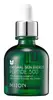
This anti-aging serum is formulated around Sodium Hyaluronate and Copper Tripeptide-1 to soften the look of wrinkles and hydrate skin.
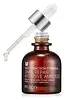
This barrier-repair ampoule is formulated around Snail Secretion Filtrate and Copper Tripeptide-1 to strengthen the skin barrier and soften the look of wrinkles.

What's inside
What's inside
 Key Ingredients
Benefits
Concerns
Ingredients Side-by-side
Water
Skin ConditioningMethylpropanediol
SolventButylene Glycol
Humectant

1,2-Hexanediol
Skin Conditioning
Polyglyceryl-10 Oleate
Skin Conditioning

Ethylhexylglycerin
Skin ConditioningSodium Hyaluronate
Humectant


Copper Tripeptide-1
Skin Conditioning

Adenosine
Skin Conditioning
Disodium EDTA
ChelatingBiosaccharide Gum-1
Humectant
Beta-Glucan
Skin Conditioning
Glycine
Buffering
Tocopherol
Antioxidant



Serine
Masking
Glutamic Acid
Humectant
Houttuynia Cordata Extract
Skin Conditioning
Centella Asiatica Extract
Cleansing
Hydrolyzed Hyaluronic Acid
Humectant
Hydrolyzed Sodium Hyaluronate
Skin Conditioning
Hyaluronic Acid
Humectant
Hydroxypropyltrimonium Hyaluronate
Potassium Hyaluronate
Skin ConditioningAspartic Acid
Masking
Leucine
Skin ConditioningPentylene Glycol
Skin Conditioning
Alanine
Masking
Lysine
Skin ConditioningArginine
Masking
Tyrosine
MaskingPhenylalanine
Masking
Threonine
Proline
Skin Conditioning
Valine
MaskingIsoleucine
Skin ConditioningSodium
Sodium Hyaluronate Crosspolymer
Humectant
Histidine
Humectant
Methionine
Skin ConditioningCysteine
Antioxidant
Sodium Acetylated Hyaluronate
Humectant
Phosphatidylcholine
EmulsifyingAcetyl Hexapeptide-8
Humectant
Sh-Oligopeptide-1
Skin Conditioning
Oligopeptide-29
Antioxidant
Oligopeptide-32
Antiseborrhoeic
Palmitoyl Pentapeptide-4
Skin Conditioning
Sh-Polypeptide-1
Skin Conditioning
Sh-Oligopeptide-2
Skin Conditioning
Sh-Polypeptide-22
Skin Conditioning
Phenoxyethanol
Preservative
Water, Methylpropanediol, Butylene Glycol, 1,2-Hexanediol, Polyglyceryl-10 Oleate, Ethylhexylglycerin, Sodium Hyaluronate, Copper Tripeptide-1, Adenosine, Disodium EDTA, Biosaccharide Gum-1, Beta-Glucan, Glycine, Tocopherol, Serine, Glutamic Acid, Houttuynia Cordata Extract, Centella Asiatica Extract, Hydrolyzed Hyaluronic Acid, Hydrolyzed Sodium Hyaluronate, Hyaluronic Acid, Hydroxypropyltrimonium Hyaluronate, Potassium Hyaluronate, Aspartic Acid, Leucine, Pentylene Glycol, Alanine, Lysine, Arginine, Tyrosine, Phenylalanine, Threonine, Proline, Valine, Isoleucine, Sodium, Sodium Hyaluronate Crosspolymer, Histidine, Methionine, Cysteine, Sodium Acetylated Hyaluronate, Phosphatidylcholine, Acetyl Hexapeptide-8, Sh-Oligopeptide-1, Oligopeptide-29, Oligopeptide-32, Palmitoyl Pentapeptide-4, Sh-Polypeptide-1, Sh-Oligopeptide-2, Sh-Polypeptide-22, Phenoxyethanol
Snail Secretion Filtrate
Skin Conditioning
Sodium Hyaluronate
Humectant
Butylene Glycol
Humectant
Glycerin
Humectant
Alcohol Denat.
Antimicrobial



Panthenol
Skin Conditioning
Glycereth-26
Humectant
Punica Granatum Extract
AstringentTheobroma Cacao Extract
Skin ConditioningCarbomer
Emulsion StabilisingTriethanolamine
BufferingTrehalose
Humectant
Copper Tripeptide-1
Skin Conditioning
Oligopeptide-1
Skin Conditioning
Palmitoyl Pentapeptide-4
Skin Conditioning
Cornus Officinalis Fruit Extract
Skin ConditioningNelumbium Speciosum Flower Extract
Skin ConditioningCaprylyl Glycol
Emollient
Ethylhexylglycerin
Skin ConditioningTropolone
Skin ConditioningSodium Polyacrylate
Absorbent
Adenosine
Skin Conditioning
Coptis Japonica Extract
AntimicrobialDisodium EDTA
ChelatingSnail Secretion Filtrate, Sodium Hyaluronate, Butylene Glycol, Glycerin, Alcohol Denat., Panthenol, Glycereth-26, Punica Granatum Extract, Theobroma Cacao Extract, Carbomer, Triethanolamine, Trehalose, Copper Tripeptide-1, Oligopeptide-1, Palmitoyl Pentapeptide-4, Cornus Officinalis Fruit Extract, Nelumbium Speciosum Flower Extract, Caprylyl Glycol, Ethylhexylglycerin, Tropolone, Sodium Polyacrylate, Adenosine, Coptis Japonica Extract, Disodium EDTA
Reviews
Ingredients Explained
These ingredients are found in both products.
Ingredients higher up in an ingredient list are typically present in a larger amount.
Adenosine is a purine nucleoside that your body already makes in every cell. In skincare, it acts mainly as a skin conditioning and anti-aging agent.
The way it works is fairly well mapped out:
Your skin has cells called fibroblasts that build collagen (the stuff that keeps skin firm and smooth). Adenosine basically flips a switch on these cells that tells them to get to work making more collagen and other proteins. These cells slow down on their own as skin ages, so Adenosine helps give them a little nudge to keep going.
The clinical backing is pretty solid too.
A blind, randomized, placebo-controlled trial of 126 women aged 45-65 tested a 0.1% cream twice daily and found real improvements in crow's feet and frown lines using a precise 3D skin-mapping technique; these changes showed up by week 3 and held at 2 months.
A later study using Adenosine-loaded dissolving microneedle patches reported gains in wrinkle depth, dermal density, elasticity, and hydration.
On concentrations, South Korea's Ministry of Food and Drug Safety has set 0.04% as the approved functional anti-wrinkle level. You'll typically see this ingredient used somewhere in the 0.04-0.1% range since it works at low doses.
This ingredient has been found safe for cosmetics with the data showing no irritation or sensitization.
Overall, this is a great ingredient for any anti-aging routine and has no photosensitizing effect, so it suits both AM and PM use.
Learn more about AdenosineButylene Glycol (or BG) is used within cosmetic products for a few different reasons:
Overall, Butylene Glycol is a safe and well-rounded ingredient that works well with other ingredients.
Though this ingredient works well with most skin types, some people with sensitive skin may experience a reaction such as allergic rashes, closed comedones, or itchiness.
Learn more about Butylene GlycolCopper Tripeptide-1 (GHK-Cu) is a skin repairing ingredient said to boost collagen, improve firmness, and support skin regeneration.
It is a complex made up of a naturally occurring peptide (glycine-histidine-lysine) and copper, an essential trace element.
While studying wound healing, researchers noticed GHK-Cu stimulated hair follicle enlargement and growth by keeping hair in its active growth phase longer. This has made it a promising ingredient for hair regrowth treatments.
Some people have reported increased facial hair. While GHK-Cu can make your hair follicles bigger, it usually doesn’t turn soft, barely-visible facial hairs into thick, dark ones.
Anecdotal reports suggest that overusing copper peptides might lead to premature aging due to excess free copper or enzyme imbalances. This claim isn’t backed by large-scale studies.
Unfortunately, there are limited human studies for this ingredient. While early results are promising, many studies are either small, in-vitro, or not rigorously controlled.
For example, there is a 1998 study that explored the effects of copper tripeptide, vitamin C, tretinoin, and melatonin on skin repair and collagen synthesis.
After one month, increased procollagen production was seen in 7 out of 10 participants using copper tripeptide (more than those using vitamin C, melatonin, or tretinoin.
While the study was exploratory, it offers early evidence that copper tripeptide may support collagen production. Larger, well-designed trials are still needed to confirm its potential and understand individual responses.
Read more about other common types of peptides here:
Learn more about Copper Tripeptide-1Disodium EDTA is a chelating agent. It grabs onto and deactivates metal ions that sneak into your products from water, packaging, or air.
This ingredient mainly works behind the scenes and helps with:
On top of that, this ingredient can counteract the effects of hard water by binding to the minerals in it.
One thing worth knowing is that Disodium EDTA has been shown to be a mild penetration enhancer. It can help other ingredients absorb into skin more effectively which can be a double-edged sword (great for actives, but can also make the active too strong if you have sensitive skin).
Clinical patch testing showed no significant skin irritation at typical use concentrations and minimal dermal absorption.
You'll most likely see this ingredient near the end of an ingredient list. It's typically found in concentrations less than 1%.
Learn more about Disodium EDTAEthylhexylglycerin is created from glycerin. It is a multitasker ingredient that:
The CIR Expert Panel found minimal skin absorption or sensitization of any kind in a safety assessment. Though this ingredient is considered well-tolerated, a small number of cases of allergic dermatitis have been published since 2002. Just be sure to patch test if you are unsure.
Industry-reported use ranges from 8% in rinse-off products and 2% in leave-on formulations.
Learn more about EthylhexylglycerinYou might know this ingredient as Matrixyl. It is a synthetic peptide made up of five amino acids attached to a palmitic acid, a fatty acid that helps it absorb into skin more easily.
As a signal peptide, Matrixyl acts like a little messenger. Once it reaches your skin cells, it tells them to ramp up production of collagen, elastin, and other proteins that keep skin looking firm and smooth.
A 12 week clinical study found that a moisturizer containing just 3 ppm of Matrixyl led to a significant improvement in fine-lines and wrinkles. Another study showed an 18% reduction in wrinkle depth, 37% reduction in wrinkle thickness, and a 21% improvement in skin firmness after just 28 days of twice-daily use.
The coolest part is that it works at incredibly low concentrations (like 0.0003%) and it plays well with other actives.
The CIR (Cosmetic Ingredient Review) panel found it to be non-sensitizing across multiple tests and human patch tests also showed no irritation or sensitization.
Fun fact: Matrixyl was originally developed by French company Sederma and Procter & Gamble.
Read more about other common types of peptides here:
Learn more about Palmitoyl Pentapeptide-4Sodium Hyaluronate is the salt form of hyaluronic acid. It is a long sugar chain that is naturally found in your skin, joints, and connective tissue that maintains hydration and elasticity.
In skincare, it works as a humectant. It pulls water from the environment and deeper layers of skin and binds it to the surface.
Interestingly, the size of the molecule affects its behavior:
Some clinical evidence links low molecular weight versions to improved wrinkle depth, elasticity, anti-inflammatory effects, and barrier repair.
Many serums use a blend of both weights so you can get surface hydration plus longer-lasting and deeper effects.
You'll typically see concentrations between 0.1-2% for this ingredient.
Learn more about Sodium Hyaluronate

