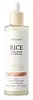
This oil-control ampoule is formulated around Cellulose and Salix Alba Bark Extract to balance excess oil.
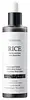
This ampoule is formulated around Cellulose and Charcoal Powder to hydrate and control oil.

What's inside
What's inside
 Key Ingredients
Benefits
Concerns
Ingredients Side-by-side
Oryza Sativa Seed Water
Antimicrobial
Water
Skin ConditioningCellulose
Absorbent
Propanediol
Solvent

1,2-Hexanediol
Skin Conditioning
Ethylhexylglycerin
Skin ConditioningDisodium EDTA
ChelatingBacillus/Soybean Ferment Extract
Skin ConditioningLactobacillus/Rye Flour Ferment
Skin ConditioningLactobacillus/Soymilk Ferment Filtrate
Skin ConditioningButylene Glycol
Humectant
Hydrolyzed Soy Protein Extract
Skin ConditioningJasminum Officinale Extract
Masking

Madecassoside
Antioxidant




Salix Alba Bark Extract
Astringent
Solanum Melongena Fruit Extract
Skin ConditioningCoptis Japonica Root Extract
Skin ConditioningGlycine Soja Oil
Emollient





Sodium Phytate
ChelatingSodium DNA
Skin Conditioning
Oryza Sativa Seed Water, Water, Cellulose, Propanediol, 1,2-Hexanediol, Ethylhexylglycerin, Disodium EDTA, Bacillus/Soybean Ferment Extract, Lactobacillus/Rye Flour Ferment, Lactobacillus/Soymilk Ferment Filtrate, Butylene Glycol, Hydrolyzed Soy Protein Extract, Jasminum Officinale Extract, Madecassoside, Salix Alba Bark Extract, Solanum Melongena Fruit Extract, Coptis Japonica Root Extract, Glycine Soja Oil, Sodium Phytate, Sodium DNA
Oryza Sativa Seed Water
Antimicrobial
Water
Skin ConditioningCellulose
Absorbent
Glycerin
Humectant
Propanediol
Solvent
1,2-Hexanediol
Skin Conditioning
Arginine
Masking
Carbomer
Emulsion StabilisingCharcoal Powder
Abrasive

Allantoin
Skin Conditioning
Panthenol
Skin Conditioning
Saccharomyces/Rice Ferment Filtrate
Skin Conditioning
Butylene Glycol
Humectant
Ethylhexylglycerin
Skin ConditioningGlycine Soja Seed Water
HumectantDisodium EDTA
ChelatingBacillus/Soybean Ferment Extract
Skin ConditioningLactobacillus/Rye Flour Ferment
Skin ConditioningLactobacillus/Soymilk Ferment Filtrate
Skin ConditioningPentylene Glycol
Skin Conditioning
Ceteth-25
CleansingCitrus Grandis Seed Extract
Astringent
Oleth-10
EmulsifyingSolanum Melongena Fruit Extract
Skin ConditioningGlycine Max Seed Extract
Skin ConditioningJasminum Officinale Extract
Masking
Lecithin
Emollient
Madecassoside
Antioxidant
Salix Alba Bark Extract
Astringent
Decyl Glucoside
Cleansing
Xanthan Gum
EmulsifyingCaprylyl Glycol
Emollient
Sodium Phytate
ChelatingGlycine Soja Oil
Emollient
Sodium DNA
Skin Conditioning
Hordeum Vulgare Extract
EmollientOryza Sativa Extract
Absorbent
Ribes Nigrum Fruit Extract
Astringent
Rubus Fruticosus Fruit Extract
AstringentSesamum Indicum Seed Extract
Skin Conditioning
Oryza Sativa Seed Water, Water, Cellulose, Glycerin, Propanediol, 1,2-Hexanediol, Arginine, Carbomer, Charcoal Powder, Allantoin, Panthenol, Saccharomyces/Rice Ferment Filtrate, Butylene Glycol, Ethylhexylglycerin, Glycine Soja Seed Water, Disodium EDTA, Bacillus/Soybean Ferment Extract, Lactobacillus/Rye Flour Ferment, Lactobacillus/Soymilk Ferment Filtrate, Pentylene Glycol, Ceteth-25, Citrus Grandis Seed Extract, Oleth-10, Solanum Melongena Fruit Extract, Glycine Max Seed Extract, Jasminum Officinale Extract, Lecithin, Madecassoside, Salix Alba Bark Extract, Decyl Glucoside, Xanthan Gum, Caprylyl Glycol, Sodium Phytate, Glycine Soja Oil, Sodium DNA, Hordeum Vulgare Extract, Oryza Sativa Extract, Ribes Nigrum Fruit Extract, Rubus Fruticosus Fruit Extract, Sesamum Indicum Seed Extract
Ingredients Explained
These ingredients are found in both products.
Ingredients higher up in an ingredient list are typically present in a larger amount.
1,2-Hexanediol is a synthetic liquid and another multi-functional powerhouse.
It is a:
- Humectant, drawing moisture into the skin
- Emollient, helping to soften skin
- Solvent, dispersing and stabilizing formulas
- Preservative booster, enhancing the antimicrobial activity of other preservatives
This ingredient is created by fermenting soybean extract with the bacteria, bacillus. It has antioxidant and skin conditioning properties.
Butylene Glycol (or BG) is used within cosmetic products for a few different reasons:
Overall, Butylene Glycol is a safe and well-rounded ingredient that works well with other ingredients.
Though this ingredient works well with most skin types, some people with sensitive skin may experience a reaction such as allergic rashes, closed comedones, or itchiness.
Learn more about Butylene GlycolCellulose is the main component of plant cell walls. It is used as an emulsifier, absorbent, and texture enhancer.
This ingredient has many functions:
Fun fact: Cellulose is the most abundant form of organic polymer on Earth.
Learn more about CelluloseDisodium EDTA is a chelating agent. It grabs onto and deactivates metal ions that sneak into your products from water, packaging, or air.
This ingredient mainly works behind the scenes and helps with:
On top of that, this ingredient can counteract the effects of hard water by binding to the minerals in it.
One thing worth knowing is that Disodium EDTA has been shown to be a mild penetration enhancer. It can help other ingredients absorb into skin more effectively which can be a double-edged sword (great for actives, but can also make the active too strong if you have sensitive skin).
Clinical patch testing showed no significant skin irritation at typical use concentrations and minimal dermal absorption.
You'll most likely see this ingredient near the end of an ingredient list. It's typically found in concentrations less than 1%.
Learn more about Disodium EDTAEthylhexylglycerin is created from glycerin. It is a multitasker ingredient that:
The CIR Expert Panel found minimal skin absorption or sensitization of any kind in a safety assessment. Though this ingredient is considered well-tolerated, a small number of cases of allergic dermatitis have been published since 2002. Just be sure to patch test if you are unsure.
Industry-reported use ranges from 8% in rinse-off products and 2% in leave-on formulations.
Learn more about EthylhexylglycerinGlycine Soja Oil is a plant-derived oil from soybean seeds. Like other oils, it is rich in essential fatty acids (mostly linoleic and oleic) that support skin hydration and barrier function.
The fatty acids are able to integrate into the lipid matrix of the stratum corneum to help soften skin and reduce water loss.
On top of that, soybean oil is rich in vitamins like vitamin E, a potent antioxidant.
Research on soybean's active components also point to anti-inflammatory, collagen-stimulating, antioxidant activity, and protection against UV-induced oxidative damage.
Most of this research applies to the broader soybean plant and not just the oil fraction alone.
This ingredient does carry a comedogenic rating of 3 from the old rabbit-ear assay. Just remember testing finished products in humans showed that formulas built with "comedogenic" ingredients are not necessarily comedogenic themselves. It's worth patch testing if you're breakout prone, and always listen to your skin.
This ingredient may not be fungal acne safe due to the oleic acid content.
Learn more about Glycine Soja OilJasminum Officinale Extract can cause irritation.
We don't have a description for Lactobacillus/Rye Flour Ferment yet.
This ingredient is a filtrate from soymilk that has been fermented with Lactobacillus. The word "filtrate" means you're getting fermentation by-products, not live probiotic bacteria.
It is a gentle skin conditioning ingredient used to help skin feel softer, calmer, and more hydrated. In cosmetic research, "probiotic/postbiotic" style ingredients are commonly discussed in the context of supporting the skin's micro-ecology and barrier function.
Just be cautious if you're allergic to soy, and be sure to patch test even though it's processed/filtered.
Learn more about Lactobacillus/Soymilk Ferment FiltrateMadecassoside is one of four active compounds found in Centella asiatica and is one of the main reasons Centella is so effective at calming irritated skin and supporting the moisture barrier.
There's a solid body of peer-reviewed research backing Madecassoside for several skin benefits. Studies have found:
Madecassoside pairs well with other hydrating or antioxidant ingredients like Ascorbic Acid or Hyaluronic Acid.
Learn more about MadecassosideOryza Sativa Seed Water is created using rice.
Rice grains contain numerous antioxidants which may help with anti-aging, such as vitamin E. Antioxidants help stabilize free-radical molecules. Unstable free-radical molecules may damage your skin cells and accelerate signs of aging.
The protein in rice have emollient properties. Emollients create a barrier on the skin to trap moisture in, keeping your skin moisturized.
Learn more about the benefits of rice extract.
Learn more about Oryza Sativa Seed WaterPropanediol is an all-star ingredient. It softens, hydrates, and smooths the skin.
It’s often used to:
Propanediol is not likely to cause sensitivity and considered safe to use. It is derived from corn or petroleum with a clear color and no scent.
Learn more about PropanediolSalix Alba Bark Extract comes from the bark of the white willow tree. The official CosIng listing states this ingredient to have astringent, skin conditioning, soothing, and tonic properties.
Its star compound is salicin, a natural glucoside that is chemically related to salicylic acid. That's why you'll often see it marketed as a "natural BHA alternative" but that's a bit of a stretch.
Your skin can't convert salicin to salicylic acid because it needs specific enzymes that aren't present on the skin's surface. It won't behave like true salicylic acid, especially at the concentrations used in cosmetics.
However, this ingredient has its own perks. It contains flavonoids, polyphenols, and tannins that give it proven antioxidant and soothing properties.
An 8-week clinical study found a cream with 2% of this extract improved skin microcirculation, elasticity, and dark circles. This is most likely due to its role in increasing hyaluronic acid synthesis in fibroblasts and improved vascular integrity.
Another study found a topical serum with 0.5% salicin showed improvements in visible signs of aging, hyperpigmentation, and texture.
Just be careful if you have a known aspirin/salicylate allergy and be sure to consult with a medical professional about using this ingredient if you do.
Fun fact: Willow Bark extract has been used for thousands of years and ancient civilizations used white willow to help treat pain and fevers.
Learn more about Salix Alba Bark ExtractSodium DNA is an emerging anti-aging ingredient.
It is created by taking deoxyribonucleic acid (DNA) and purifying it with sodium hydroxide.
The DNA is extracted from several different animal sources, including: calf thymus, the gonadic tissue of a male sturgeon, or herring / salmon sperm.
You have probably seen this ingredient in anti-aging skincare. But what is it?
DNA is composed of nucleotides, or chemical building blocks. Nucleotides include adenine (A), thymine (T), guanine (G), and cytosine (C). Talk about a flashback to biology! Nucleosides are formed from these nucleotides.
The science behind Sodium DNA is based on an ingredient called Polydeoxyribonucleotide or PDRN.
PDRN are DNA fragments mainly extracted from the sperm cells of trout or salmon. Meaning, PDRN can be derived from Sodium DNA.
PDRN consists of chains of nucleotides and nucleosides mentioned above. They can range anywhere from 80 - 2000 pairs.
Studies show PDRN has the following properties:
Most of the research on PDRN has been done using injectable forms. That’s important, because PDRN is a large molecule and doesn’t absorb well through the skin. So if you’re applying it topically, the effects are likely to be much milder.
Still, topical Sodium DNA is emerging as a trendy anti-aging ingredient. It’s generally well-tolerated and offers good biocompatibility with human skin, making it a low-risk addition to most routines.
Further studies are needed to truly confirm this ingredients anti-aging ability (Remember, retinol has decades of research!).
Sodium DNA may be sourced from fish, animal tissue, or plants. Since this isn’t always disclosed, we recommend asking the brand directly if the ingredient’s origin is important to you.
Learn more about Sodium DNASodium Phytate is the sodium salt of Phytic acid, a compound that plants store phosphorus in. It's the plant-derived alternative to ingredients like Disodium EDTA.
In skincare, this ingredient is a chelator that grabs onto trace metal ions like iron and copper that sneak into formulas through water/raw materials.
Those metals speed up oxidation so binding them keeps oils, fragrance, and actives from going off, stops color changes, and helps the preservative system work harder.
Survey data shows usage levels range from 0.0099%-0.5% in leave-on products, 0.025%-0.3% in rinse-off, and up to 0.05% in eye-area products. Suppliers typically recommend a range between 0.05-0.5%.
Learn more about Sodium PhytateThis ingredient comes from eggplant (or aubergine). It has skin conditioning properties due to its abundance of antioxidants like Chlorogenic Acid, Caffeic Acid, and Nasunin.
Nasunin is the pigment concentrated in the purple peel and has demonstrated the abilityu to neutralize free radicals and bind excess iron in lab studies.
Lab studies have shown that eggplant extracts can lower oxidative stress and protect skin cell membranes from damage. A 2025 study found that specific compounds in eggplant (particularly a phenolamide called N-Trans-Feruloylputrescine) may support skin health by neutralizing 2-nonenal, a byproduct linked to aging skin.
Overall, this is a gentle, well-tolerated ingredient that adds a little extra antioxidant support to your routine.
Those with nighshade vegetable allergies (tomatoes, peppers, potatoes) should patch test as eggplant is part of the same family.
Learn more about Solanum Melongena Fruit ExtractWater. It's the most common cosmetic ingredient of all. You'll usually see it at the top of ingredient lists, meaning that it makes up the largest part of the product.
So why is it so popular? Water most often acts as a solvent - this means that it helps dissolve other ingredients into the formulation.
You'll also recognize water as that liquid we all need to stay alive. If you see this, drink a glass of water. Remember to stay hydrated!
Learn more about Water

