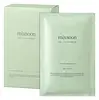
This wash off mask is made with Diatomaceous Earth and Allantoin for a rinse-off calming boost.
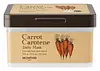
This calming sheet mask is formulated around Niacinamide and Daucus Carota Sativa Root Extract to calm redness.

What's inside
What's inside
 Key Ingredients
Benefits
Concerns
No concerns
Ingredients Side-by-side
Diatomaceous Earth
Abrasive

Glucose
Humectant

CI 77231
Cosmetic ColorantAlgin
MaskingTetrasodium Pyrophosphate
BufferingMagnesium Oxide
AbsorbentCellulose Gum
Emulsion StabilisingMentha Piperita Leaf
RefreshingHydrolyzed Collagen
Emollient
Centella Asiatica Leaf/Stem Powder
Euterpe Oleracea Pulp Powder
Abrasive
Dehydroacetic Acid
Preservative
Allantoin
Skin Conditioning


Potassium Alginate
Emulsion StabilisingAdenosine
Skin Conditioning
Betaine
Humectant
Trehalose
Humectant
Sodium Hyaluronate
Humectant
Diatomaceous Earth, Glucose, CI 77231, Algin, Tetrasodium Pyrophosphate, Magnesium Oxide, Cellulose Gum, Mentha Piperita Leaf, Hydrolyzed Collagen, Centella Asiatica Leaf/Stem Powder, Euterpe Oleracea Pulp Powder, Dehydroacetic Acid, Allantoin, Potassium Alginate, Adenosine, Betaine, Trehalose, Sodium Hyaluronate
Water
Skin ConditioningButylene Glycol
Humectant
Glycereth-26
Humectant
Niacinamide
Smoothing





Daucus Carota Sativa Root Extract
Skin Conditioning
Dipropylene Glycol
HumectantBetaine
Humectant
1,2-Hexanediol
Skin Conditioning
Bis-Ethoxydiglycol Cyclohexane 1,4-Dicarboxylate
EmollientPolyglyceryl-10 Laurate
Skin Conditioning

Hydroxyacetophenone
Antioxidant
Caprylyl Glycol
Emollient
Cellulose Gum
Emulsion StabilisingEthylhexylglycerin
Skin ConditioningAdenosine
Skin Conditioning
Hibiscus Abelmoschus Extract
MaskingArginine
Masking
Carbomer
Emulsion StabilisingHydroxyethylcellulose
Emulsion StabilisingDioscorea Japonica Root Extract
Skin Conditioning
Olea Europaea Fruit Oil
Masking



Polyquaternium-51
Skin Conditioning
Daucus Carota Sativa Seed Oil
Emollient
Salvia Hispanica Seed Extract
Emollient
Linum Usitatissimum Seed Extract
Perfuming
Pogostemon Cablin Leaf Oil
Masking

Lavandula Hybrida Oil
Emollient
Dipotassium Glycyrrhizate
Humectant
Salvia Officinalis Oil
Masking
Citrus Aurantium Bergamia Fruit Oil
Masking
Citrus Sinensis Peel Oil Expressed
Perfuming
Abies Sibirica Oil
Masking
Rosmarinus Officinalis Leaf Extract
AntimicrobialRosmarinus Officinalis Leaf Oil
Masking
Hydrogenated Lecithin
Emulsifying
Asiaticoside
Antioxidant
Asiatic Acid
Skin Conditioning
Madecassic Acid
Skin Conditioning
Disodium EDTA
ChelatingWater, Butylene Glycol, Glycereth-26, Niacinamide, Daucus Carota Sativa Root Extract, Dipropylene Glycol, Betaine, 1,2-Hexanediol, Bis-Ethoxydiglycol Cyclohexane 1,4-Dicarboxylate, Polyglyceryl-10 Laurate, Hydroxyacetophenone, Caprylyl Glycol, Cellulose Gum, Ethylhexylglycerin, Adenosine, Hibiscus Abelmoschus Extract, Arginine, Carbomer, Hydroxyethylcellulose, Dioscorea Japonica Root Extract, Olea Europaea Fruit Oil, Polyquaternium-51, Daucus Carota Sativa Seed Oil, Salvia Hispanica Seed Extract, Linum Usitatissimum Seed Extract, Pogostemon Cablin Leaf Oil, Lavandula Hybrida Oil, Dipotassium Glycyrrhizate, Salvia Officinalis Oil, Citrus Aurantium Bergamia Fruit Oil, Citrus Sinensis Peel Oil Expressed, Abies Sibirica Oil, Rosmarinus Officinalis Leaf Extract, Rosmarinus Officinalis Leaf Oil, Hydrogenated Lecithin, Asiaticoside, Asiatic Acid, Madecassic Acid, Disodium EDTA
Reviews
Ingredients Explained
These ingredients are found in both products.
Ingredients higher up in an ingredient list are typically present in a larger amount.
Adenosine is a purine nucleoside that your body already makes in every cell. In skincare, it acts mainly as a skin conditioning and anti-aging agent.
The way it works is fairly well mapped out:
Your skin has cells called fibroblasts that build collagen (the stuff that keeps skin firm and smooth). Adenosine basically flips a switch on these cells that tells them to get to work making more collagen and other proteins. These cells slow down on their own as skin ages, so Adenosine helps give them a little nudge to keep going.
The clinical backing is pretty solid too.
A blind, randomized, placebo-controlled trial of 126 women aged 45-65 tested a 0.1% cream twice daily and found real improvements in crow's feet and frown lines using a precise 3D skin-mapping technique; these changes showed up by week 3 and held at 2 months.
A later study using Adenosine-loaded dissolving microneedle patches reported gains in wrinkle depth, dermal density, elasticity, and hydration.
On concentrations, South Korea's Ministry of Food and Drug Safety has set 0.04% as the approved functional anti-wrinkle level. You'll typically see this ingredient used somewhere in the 0.04-0.1% range since it works at low doses.
This ingredient has been found safe for cosmetics with the data showing no irritation or sensitization.
Overall, this is a great ingredient for any anti-aging routine and has no photosensitizing effect, so it suits both AM and PM use.
Learn more about AdenosineBetaine is a humectant. Like hyaluronic acid, it helps attract and retain moisture in the skin. It’s known for being gentle and for helping the skin maintain balanced hydration.
Betaine is mainly used to improve hydration and support calmer skin. It helps skin cells regulate water balance because it functions as an osmolyte.
Some studies suggest betaine may support making skin tone more even.
Fun fact: Betaine naturally exists in the skin and the body. In cosmetic products, it can be either plant-derived (most commonly from sugar beets) or synthetically produced for consistency and stability.
Betaine is also known as trimethylglycine.
Learn more about BetaineCellulose Gum is a water-soluble polymer that comes from cellulose. It is used to change the texture of a product and to help stabilize emulsions.
As an emulsifier, cellulose gum specifically thicken the texture of water-based products.
This ingredient is considered hypoallergenic and non-toxic. Cellulose Gum can be found in cosmetics, food, and other household goods such as paper products.
Learn more about Cellulose Gum

