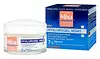
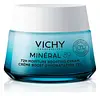
Mixa Hyalurogel Night Hydrating Cream-Mask Overnight Recovery Versus Vichy Minéral 89 Moisture Boosting Creme 72H
This barrier-repair night moisturizer is formulated around Sodium Hyaluronate to strengthen the skin barrier and hydrate skin.
This barrier-repair moisturizer is formulated around Niacinamide and Squalane to strengthen the skin barrier and hydrate skin.

What's inside
What's inside
 Key Ingredients
Benefits
Concerns
Ingredients Side-by-side
Water
Skin ConditioningGlycerin
Humectant


Dicaprylyl Ether
Emollient
Pentylene Glycol
Skin Conditioning
Propanediol
Solvent
Cetyl Esters
Emollient


Coco-Caprylate/Caprate
Emollient
Polyglyceryl-6 Distearate
Emulsifying
Jojoba Esters
Emollient
Behenyl Alcohol
Emollient
Acacia Decurrens Flower Cera
Emollient
Acrylamide/Sodium Acryloyldimethyltaurate Copolymer
Emulsion StabilisingCamelina Sativa Seed Oil
Skin Conditioning
Capryloyl Salicylic Acid
Exfoliating




Cetyl Alcohol
Emollient
Glycine Soja Oil
Emollient



Helianthus Annuus Seed Cera
Emollient
Helianthus Annuus Seed Oil
Emollient
Hydroxypropyl Starch Phosphate
Isohexadecane
EmollientPhenoxyethanol
Preservative
Polyglycerin-3
Humectant
Polyglyceryl-3 Beeswax
Emulsifying
Polysorbate 80
Emulsifying
Sodium Hyaluronate
Humectant


Sodium Stearoyl Glutamate
CleansingSorbitan Oleate
Emulsifying
Tocopherol
Antioxidant


Trisodium Ethylenediamine Disuccinate
ChelatingParfum
Masking


Water, Glycerin, Dicaprylyl Ether, Pentylene Glycol, Propanediol, Cetyl Esters, Coco-Caprylate/Caprate, Polyglyceryl-6 Distearate, Jojoba Esters, Behenyl Alcohol, Acacia Decurrens Flower Cera, Acrylamide/Sodium Acryloyldimethyltaurate Copolymer, Camelina Sativa Seed Oil, Capryloyl Salicylic Acid, Cetyl Alcohol, Glycine Soja Oil, Helianthus Annuus Seed Cera, Helianthus Annuus Seed Oil, Hydroxypropyl Starch Phosphate, Isohexadecane, Phenoxyethanol, Polyglycerin-3, Polyglyceryl-3 Beeswax, Polysorbate 80, Sodium Hyaluronate, Sodium Stearoyl Glutamate, Sorbitan Oleate, Tocopherol, Trisodium Ethylenediamine Disuccinate, Parfum
Water
Skin ConditioningGlycerin
Humectant
Dicaprylyl Ether
Emollient
Pentylene Glycol
Skin Conditioning
Polyglyceryl-6 Distearate
Emulsifying
Niacinamide
Smoothing

Propanediol
Solvent
Cetyl Esters
Emollient
Jojoba Esters
Emollient
Cetearyl Isononanoate
Emollient
Squalane
Emollient
Behenyl Alcohol
Emollient
Adenosine
Skin Conditioning
Capryloyl Salicylic Acid
Exfoliating
Hydroxyacetophenone
Antioxidant
Mineral Salts
Skin ConditioningSodium Hyaluronate
Humectant
Trisodium Ethylenediamine Disuccinate
ChelatingVitreoscilla Ferment
Skin Conditioning
Tocopherol
Antioxidant
Acacia Decurrens Flower Cera
Emollient
Acrylamide/Sodium Acryloyldimethyltaurate Copolymer
Emulsion StabilisingCetyl Alcohol
Emollient
Helianthus Annuus Seed Cera
Emollient
Hydroxypropyl Starch Phosphate
Isohexadecane
EmollientPolyglycerin-3
Humectant
Polyglyceryl-3 Beeswax
Emulsifying
Polysorbate 80
Emulsifying
Sodium Stearoyl Glutamate
CleansingSorbitan Oleate
Emulsifying
Water, Glycerin, Dicaprylyl Ether, Pentylene Glycol, Polyglyceryl-6 Distearate, Niacinamide, Propanediol, Cetyl Esters, Jojoba Esters, Cetearyl Isononanoate, Squalane, Behenyl Alcohol, Adenosine, Capryloyl Salicylic Acid, Hydroxyacetophenone, Mineral Salts, Sodium Hyaluronate, Trisodium Ethylenediamine Disuccinate, Vitreoscilla Ferment, Tocopherol, Acacia Decurrens Flower Cera, Acrylamide/Sodium Acryloyldimethyltaurate Copolymer, Cetyl Alcohol, Helianthus Annuus Seed Cera, Hydroxypropyl Starch Phosphate, Isohexadecane, Polyglycerin-3, Polyglyceryl-3 Beeswax, Polysorbate 80, Sodium Stearoyl Glutamate, Sorbitan Oleate
Reviews
Ingredients Explained
These ingredients are found in both products.
Ingredients higher up in an ingredient list are typically present in a larger amount.
Acacia Decurrens Flower Cera isn't fungal acne safe.
This ingredient is a synthetic polymer used to stabilize formulas and give products a "gel-cream" feel.
When applied, this ingredient mostly stays on the surface of skin. Safety reviews have found these polymers safe in cosmetics when made to proper quality standards. Testing also shows they’re unlikely to cause irritation or sensitization at normal use levels.
Behenyl Alcohol is a type of fatty alcohol (these are different from the drying, solvent alcohols).
Fatty Alcohols have hydrating properties and are most often used as an emollient or to thicken a product. They are usually derived from natural fats and oils; behenyl alcohol is derived from the fats of vegetable oils.
Emollients help keep your skin soft and hydrated by creating a film that traps moisture in.
In 2000, Behenyl Alcohol was approved by the US as medicine to reduce the duration of cold sores.
Learn more about Behenyl AlcoholCapryloyl Salicylic Acid comes from salicylic acid, the famous acne-fighting BHA.
It usually goes by a more common name of LHA, or lipohydroxy acid.
Like salicylic acid, this ingredient is a chemical exfoliant that can help break down the oil in your pores and reduce inflammation.
Though studies for LHA do show it to be less effective than salicylic acid. To be fair, salicylic acid is the reigning monarch of acne treatments.
However, a study from 2009 found LHA to be comparable to BPO, making it a good alternative for people with sensitive skin. Another study of 14 patients found a significant decrease in comedones after using LHA.
Another pro of LHA? It is less irritating than salicylic acid due to its large molecule size.
Large molecules cannot penetrate skin as well, so they are gentler on the skin. LHA is much less penetrative than salicylic acid.
An in-vitro study (not done on a living organism) found only 6% of LHA penetrated past the statum corneum compared to 58% of salicylic acid. An in-vivo (done on a living organism) analysis revealed ~17% of LHA was still present in the top layer of skin after 4 days, versus ~9% of salicylic acid.
Interestingly, a study from 2008 found LHA comparable to another famous acid, glycolic acid.
This study found about 10% of LHA is as effective as 20-50% of glycolic acid in treating hyperpigmentation and fine-lines.
Hydroxy acids have been found to stimulate skin protein, lipids, and thermal thickening. This may have anti-aging benefits.
Learn more about Capryloyl Salicylic AcidCetyl Alcohol is a fatty alcohol. Fatty Alcohols are most often used as an emollient or to thicken a product.
Its main roles are:
Though it has "alcohol" in the name, it is not related to denatured alcohol or ethyl alcohol.
The FDA allows products labeled "alcohol-free" to have fatty alcohols.
This ingredient may not be fungal acne safe. It is a primary fatty alcohol with a chain length above 12 carbons. A study from 2019 show Malassezia can feed on fatty alcohols in this range, so it may trigger fungal acne in those prone to it.
Learn more about Cetyl AlcoholCetyl Esters is an emollient with an interesting backstory: it's a synthetic wax originally designed to be a copy of spermaceti, a waxy material that used to be harvested from whales.
This ingredient delivers the same "velvety" feel without anything animal-derived (usually made from coconut or palm-sourced fatty alcohols/acids).
Chemically, it's a blend of esters from 14-18 fatty acids and alcohols that is a solid at room temperature but melts on contact with skin. It helps soften and smooth the skin while improving the feel and spread of products.
Typical use concentrations range from 1-10% (most commonly 2-5%).
The CIR Expert Panel has concluded it's safe as used and has shown no skin irritation in available studies.
Because it's a blend of fatty acid esters in the chain-length range that Malassezia can feed on, it may not be fungal acne safe.
Learn more about Cetyl EstersDicaprylyl Ether is created from caprylic acid. It is a texture-enhancer and emollient.
As an emollient, Dicaprylyl Ether is non-comedogenic. It helps soften and smooth the skin by creating a barrier on top. This barrier helps trap moisture in, helping to hydrate the skin.
Dicaprylyl Ether gives a non-greasy feel and better spreadability to products.
Learn more about Dicaprylyl EtherGlycerin (or glycerol) is a compound naturally found in your skin. It's a powerhouse humectant that pulls water into the stratum corneum.
Topically, glycerin does several things at once:
Your skin makes glycerin on its own (mostly from sebaceous oil breakdown) and shuttles it to your outermost layer of skin, or your epidermis, via aquaporin-3.
Aquaporin-3 is a transporter that is essential for normal skin hydration, elasticity, and repair. Interestingly, mice lacking in AQP3 have dry and less elastic skin that can be fully corrected with glycerin.
This ingredient is non-irritating, plays well with almost every ingredient, and works across all skin types. Typical use is anywhere between 3-10% but can go up to 79% in some leave-on products.
Just know very high concentrations (>40%) can feel tacky in low humidity.
Glycerin is the name for this ingredient in American English. British English uses Glycerol/Glycerine.
Learn more about GlycerinHelianthus Annuus Seed Cera isn't fungal acne safe.
Hydroxypropyl Starch Phosphate is a modified starch used to help thicken a product.
It is also used in foods.
Isohexadecane is added to enhance texture, emulsify, and to help cleanse. It is an isoparrafin. It is a component of petrolatum.
Due to its large size, Isohexadecane is not absorbed by the skin. Instead, it sits on top and acts as an emollient. Emollients help keep your skin soft and smooth by trapping moisture within.
Isohexadecane is often used in products designed to help oily skin. It is lightweight and non-greasy while helping to moisturize. When mixed with silicones, it gives a product a silky feel.
Learn more about IsohexadecaneJojoba Esters is a wax created from Jojoba oil. It is an emollient and film-forming ingredient. In bead form, it is an exfoliator.
This ingredient has high oxidative stability, meaning it doesn't break down when exposed to oxygen.
Its similarity to our skin's natural oils makes it a great emollient. Emollients help soften and soothe our skin by creating a barrier on top. This barrier helps trap moisture in, keeping skin hydrated.
It is created using either the hydrogenation or transesterification processes on jojoba oil.
Learn more about Jojoba EstersPentylene Glycol (1,2-pentanediol) is a multitasking little diol with three main roles in a formula:
Research on alkanediols (the family pentylene glycol belongs to) show they work by disrupting microbial cell membranes. This disruption helps the primary preservative system in a product work more effectively at lower doses.
On the safety side, the Cosmetic Ingredient Review Expert Panel has concluded this ingredient to be safe as used in current cosmetic practices + concentrations.
Typical use levels in a formula run about 1-5%.
Learn more about Pentylene GlycolPolyglycerin-3 is a 3-unit glycerin polymer.
Like glycerin, this ingredient is a humectant. Humectants help hydrate your skin by drawing water to it.
Having moisturized skin helps improve the skin barrier. Your skin barrier helps protect against irritants and bacteria.
Learn more about Polyglycerin-3This ingredient is a modified version of natural beeswax where the free fatty acids have been swapped for polyglycerol esters to make it more hydrophilic (water-loving).
It mainly works as an emulsifier to help oil and water stay mixed in a formula. You'll also see it in stick formulas because it also thickens and stabilizes oils to prevent the oils from bleeding.
Emulsifiers like this tend to be well tolerated unless you have a known bee-product allergy. Due to this ingredient being an ester of beeswax fatty acids, it may not be fungal acne safe.
Learn more about Polyglyceryl-3 BeeswaxPolyglyceryl-6 Distearate isn't fungal acne safe.
Polysorbate 80 is a synthetic surfactant and emulsifier derived from sorbitol and oleic acid.
It reduces the surface tension between oil and water phases to help them stay mixed and stable in a formulation. In other words, it prevents your formulas from separating into an oily mess.
The CIR Expert Panel has evaluated the scientific data and found this ingredient to be safe, non-irritating, and non-sensitizing at concentrations up to 5% (it's even approved by the FDA as an OTC eye drop ingredient).
Learn more about Polysorbate 80Propanediol is an all-star ingredient. It softens, hydrates, and smooths the skin.
It’s often used to:
Propanediol is not likely to cause sensitivity and considered safe to use. It is derived from corn or petroleum with a clear color and no scent.
Learn more about PropanediolSodium Hyaluronate is the salt form of hyaluronic acid. It is a long sugar chain that is naturally found in your skin, joints, and connective tissue that maintains hydration and elasticity.
In skincare, it works as a humectant. It pulls water from the environment and deeper layers of skin and binds it to the surface.
Interestingly, the size of the molecule affects its behavior:
Some clinical evidence links low molecular weight versions to improved wrinkle depth, elasticity, anti-inflammatory effects, and barrier repair.
Many serums use a blend of both weights so you can get surface hydration plus longer-lasting and deeper effects.
You'll typically see concentrations between 0.1-2% for this ingredient.
Learn more about Sodium HyaluronateSodium Stearoyl Glutamate is an amino-acid based emulsifier. It is made by combining stearic acid with L-glutamic acid and neutralizing it to a sodium salt.
As an emulsifier, it works mainly as an oil-in-water one and helps keep the oil and water in your formulas blended. It also contributes to a smooth, non-greasy skin feel.
This ingredient is biodegradable and commonly available in natural/COSMOS-certified grades.
Learn more about Sodium Stearoyl GlutamateSorbitan Oleate is a PEG-free emulsifier made by esterifying sorbitol with oleic acid.
You'll likely see it paired with Polysorbate 80 to create the right emulsification balance.
Typical use levels in formulas range from 2-10%.
The CIR Expert Panel has concluded this ingredient to be safe as a cosmetic ingredient.
Since this ingredient is an ester of oleic acid, it may not be fungal acne safe. Oleic acid is a fatty acid that falls into the C11-24 range that Malassezia can metabolize.
This ingredient does have a comedogenic rating of 3, but this doesn't mean a formula with this ingredient will clog pores. Human testing has proved that any finished product with a comedogenic ingredient won't automatically make you break out; it really comes down to concentration, formula, and your skin.
Learn more about Sorbitan OleateTocopherol is a fat-soluble antioxidant known as Vitamin E.
You'll find this ingredient in the vast majority of skincare (for good reason). It works to neutralize free radicals, or unstable molecules generated by UV exposure, pollution, and other environmental stressors, before they can cause oxidative damage to your skin cells.
Topically applied tocopherol has been shown to protect against UV damage by ramping up the skin's own natural defense enzymes.
It also acts as a skin conditioning agent; some studies show that regular topical use can improve the skin's water-binding capacity over 2-4 weeks.
This ingredient is especially loved for being a team player. When combined with Vitamin C, the photoprotective effect of both ingredients roughly doubles and the combo also helps reduce UV-induced DNA damage.
This ingredient has some brightening potential but it's more of a prevention ingredient than spot-fader. Cell studies show it can slow down melanin production but it's worth noting that it's not the most powerful brightener out there.
In formulations, it also serves as a stabilizer that helps protect other oxidation-prone ingredients from degrading.
Concentrations usually range from 0.1-1% in most leave-on products.
Learn more about TocopherolTrisodium Ethylenediamine Disuccinate is used to help stabilize a product.
It is a chelating agent, meaning it helps prevent metal ions from binding to other ingredients. This prevents unwanted reactions in products. Metal ions can come into a product via the water ingredient. They are found in trace amounts and are not known to be harmful.
Water. It's the most common cosmetic ingredient of all. You'll usually see it at the top of ingredient lists, meaning that it makes up the largest part of the product.
So why is it so popular? Water most often acts as a solvent - this means that it helps dissolve other ingredients into the formulation.
You'll also recognize water as that liquid we all need to stay alive. If you see this, drink a glass of water. Remember to stay hydrated!
Learn more about Water

