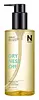
This oil-based makeup remover is made to dissolve makeup, sunscreen, and daily buildup.
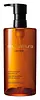
This oil-based makeup remover is made to dissolve makeup, sunscreen, and daily buildup.


What's inside
What's inside
 Key Ingredients
Benefits
Concerns
Ingredients Side-by-side
Helianthus Annuus Seed Oil
Emollient



Triethylhexanoin
MaskingEthylhexyl Stearate
Emollient


Polyisobutene
PEG-20 Glyceryl Triisostearate
Emollient
Ethylhexyl Palmitate
Emollient
Isononyl Isononanoate
EmollientIsopropyl Myristate
Emollient
Prunus Amygdalus Dulcis Oil
Skin Conditioning
Caprylic/Capric Triglyceride
Masking

1,2-Hexanediol
Skin Conditioning
Lavandula Angustifolia Oil
Masking


Pentaerythrityl Tetra-Di-T-Butyl Hydroxyhydrocinnamate
Antioxidant
Anthemis Nobilis Flower Oil
Masking
Argania Spinosa Kernel Oil
Emollient

Butyrospermum Parkii Butter
Skin Conditioning
Linalool
Perfuming
Helianthus Annuus Seed Oil, Triethylhexanoin, Ethylhexyl Stearate, Polyisobutene, PEG-20 Glyceryl Triisostearate, Ethylhexyl Palmitate, Isononyl Isononanoate, Isopropyl Myristate, Prunus Amygdalus Dulcis Oil, Caprylic/Capric Triglyceride, 1,2-Hexanediol, Lavandula Angustifolia Oil, Pentaerythrityl Tetra-Di-T-Butyl Hydroxyhydrocinnamate, Anthemis Nobilis Flower Oil, Argania Spinosa Kernel Oil, Butyrospermum Parkii Butter, Linalool
Zea Mays Germ Oil
Emollient
Ethylhexyl Palmitate
Emollient
Caprylic/Capric Triglyceride
Masking
Isopropyl Myristate
Emollient
Polyglyceryl-10 Dioleate
Emulsifying
Polyglyceryl-6 Dicaprate
EmulsifyingPolyglyceryl-2 Oleate
Emulsifying
Limnanthes Alba Seed Oil
Skin Conditioning
Phenoxyethanol
Preservative
Linalool
Perfuming
Squalane
Emollient
Camellia Japonica Seed Oil
Emollient
Simmondsia Chinensis Seed Oil
Emollient
Isopropyl Lauroyl Sarcosinate
Skin ConditioningCarthamus Tinctorius Seed Oil
Masking
Dicaprylyl Ether
Emollient
Dicaprylyl Carbonate
EmollientTocopherol
Antioxidant


Geraniol
Perfuming
Glycine Soja Oil
Emollient
Glyceryl Stearate Citrate
Emollient
Butyrospermum Parkii Butter
Skin Conditioning
Phospholipids
Skin Conditioning
Panax Ginseng Root Extract
Emollient
Bambusa Vulgaris Extract
Skin Conditioning
Citric Acid
Buffering
Parfum
Masking
Zea Mays Germ Oil, Ethylhexyl Palmitate, Caprylic/Capric Triglyceride, Isopropyl Myristate, Polyglyceryl-10 Dioleate, Polyglyceryl-6 Dicaprate, Polyglyceryl-2 Oleate, Limnanthes Alba Seed Oil, Phenoxyethanol, Linalool, Squalane, Camellia Japonica Seed Oil, Simmondsia Chinensis Seed Oil, Isopropyl Lauroyl Sarcosinate, Carthamus Tinctorius Seed Oil, Dicaprylyl Ether, Dicaprylyl Carbonate, Tocopherol, Geraniol, Glycine Soja Oil, Glyceryl Stearate Citrate, Butyrospermum Parkii Butter, Phospholipids, Panax Ginseng Root Extract, Bambusa Vulgaris Extract, Citric Acid, Parfum
Reviews
Ingredients Explained
These ingredients are found in both products.
Ingredients higher up in an ingredient list are typically present in a larger amount.
This ingredient is also known as shea butter. It is a plant-derived extract from the nuts of the Africa shea tree and one of the most well-studied emollients.
Because it has a high concentration of fatty acids (primarily oleic, stearic, and linoleic) it is able to form a protective barrier on the skin's surface. This helps seal in moisture and prevents transepidermal water loss (TEWL).
In vitro research found an increase in skin hydration by 58% and a decrease in TEWL by 37.8% after 24 hours of applying this ingredient (pretty impressive for a single ingredient!).
Besides hydration, shea butter also contains triterpenes that have anti-inflammatory potential. In particule, lupeol cinnamate has shown the highest anti-inflammatory activity in vivo.
Shea butter also contains vitamins A and E which may contribute to antioxidant activity.
While Shea Butter has an SPF rating of about 3-4, it is not a sunscreen replacement.
This ingredient may not be fungal acne safe because its fatty acids fall within the C11-C24 range that the Malassezia yeast can metabolize.
Learn more about Butyrospermum Parkii ButterCaprylic/Capric Triglyceride (aka MCT Oil) is a lightweight emollient, solvent, and texture enhancer. It is considered a skin-softener by helping to prevent moisture loss.
Though it behaves like an oil, it is not technically one due to its chemical composition. One perk of this ingredient is that it is very stable, resistant to oxidation, and unlikely to go rancid.
In practice, that translates to a long shelf life and a consistently elegant skin feel.
While there is an assumption Caprylic Triglyceride can clog pores due to it being derived from coconut oil, there is no research supporting this. Just patch test if you have concerns.
Fractionated coconut oil and MCT Oil are both listed as Caprylic/Capric Triglyceride according to INCI. This is because INCI names are based on the ingredient’s final chemical composition and not its marketing name or source.
This ingredient is treated as the gold standard fungal acne safe oil. Even though it is coconut derived, the problematic lauric acid is stripped out.
This leaves just caprylic (C8) and capric (C10) acid. These chain lengths actually trend antifungal; a 2020 study found caprylic acid was enough to disrupt Malassezia furfur cell membrane, with a caprylic acid derivative damaging membrane structures at concentrations as low as 0.2%.
Learn more about Caprylic/Capric TriglycerideEthylhexyl Palmitate, also known as octyl palmitate, is created from 2-ethylhexyl alcohol and palmitic acid.
In cosmetics, it plays many roles:
One thing worth noting: a controlled study found this ingredient applied under occlusion to acne-prone subjects increased microcomedones. Just keep in mind this was under occlusive conditions and don't reflect how most products are used day-to-day.
For most people, this is a well-tolerated and lightweight ingredient.
This ingredient may not be fungal acne safe because it is an ester of palmitic acid, a C16 fatty acid that falls within the C11-24 range that Malassezia can metabolize.
Learn more about Ethylhexyl PalmitateIsopropyl Myristate is an ester made by combining isopropyl alcohol with myristic acid.
It is primarily an emollient and penetration enhancer that gives products a lightweight, silky feel without the heaviness of oils.
This ingredient is generally considered non-toxic, non-irritating, and has low absorption potential.
You might have heard that this ingredient clogs pores. This reputation comes from the older rabbit ear studies which are more sensitive than human skin to clogging.
Dermatologist Dr. Zoe Draelos has also confirmed in a peer-reviewed paper that products containing comedogenic ingredients are not necessarily comedogenic themselves.
A small subset of people (~2%) may experience contact sensitivity so patch testing is a reasonable idea if you have reactive skin.
Since this ingredient is an ester of myristic acid (a C14 fatty acid), it falls within the carbon chain range that is known to feed Malassezia. This ingredient may not be fungal acne safe.
Learn more about Isopropyl MyristateLinalool is a fragrance and helps add scent to products. It's derived from common plants such as cinnamon, mint, citrus, and lavender.
Like Limonene, this ingredient oxidizes when exposed to air. Oxidized linalool can cause allergies and skin sensitivity.
This ingredient has a scent that is floral, spicy tropical, and citrus-like.
Learn more about Linalool

