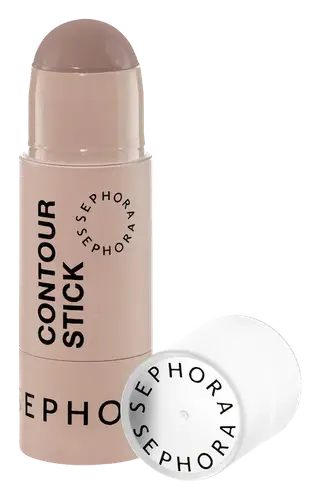
What's inside
What's inside
 Key Ingredients
Benefits
Concerns
Ingredients Side-by-side
Ricinus Communis Seed Oil
Masking




C12-15 Alkyl Benzoate
AntimicrobialHelianthus Annuus Seed Oil
Emollient
Helianthus Annuus Seed Wax
Skin Conditioning
Coconut Alkanes
Emollient


Silica
Abrasive


Euphorbia Cerifera Cera
Astringent
Kaolin
Abrasive
Mangifera Indica Seed Butter
Skin Conditioning
Citrus Aurantium Dulcis Peel Wax
Skin ConditioningPrunus Armeniaca Kernel Oil
Masking
Coco-Caprylate/Caprate
Emollient
Bis-Stearyl Dimethicone
Emollient
Parfum
Masking

Hydrogenated Vegetable Oil
Emollient
Isopropyl Titanium Triisostearate
Emollient
Tocopheryl Acetate
Antioxidant


Sorbitan Tristearate
EmulsifyingCI 77891
Cosmetic ColorantCI 77491
Cosmetic ColorantCI 77492
Cosmetic ColorantCI 77499
Cosmetic ColorantRicinus Communis Seed Oil, C12-15 Alkyl Benzoate, Helianthus Annuus Seed Oil, Helianthus Annuus Seed Wax, Coconut Alkanes, Silica, Euphorbia Cerifera Cera, Kaolin, Mangifera Indica Seed Butter, Citrus Aurantium Dulcis Peel Wax, Prunus Armeniaca Kernel Oil, Coco-Caprylate/Caprate, Bis-Stearyl Dimethicone, Parfum, Hydrogenated Vegetable Oil, Isopropyl Titanium Triisostearate, Tocopheryl Acetate, Sorbitan Tristearate, CI 77891, CI 77491, CI 77492, CI 77499
Phenyl Trimethicone
Skin Conditioning
Silica
Abrasive
Dimethicone
Emollient
Bis-Diglyceryl Polyacyladipate-2
Emollient
Isononyl Isononanoate
EmollientMica
Cosmetic ColorantCera Microcristallina
Emulsion StabilisingSorbitan Olivate
Emulsifying
Synthetic Fluorphlogopite
Synthetic Wax
Abrasive
Octyldodecanol
Emollient
Triethoxycaprylylsilane
Sorbitan Isostearate
Emulsifying
1,2-Hexanediol
Skin Conditioning
Polyhydroxystearic Acid
Emulsifying
Aluminum Hydroxide
EmollientEthylhexyl Palmitate
Emollient
Isopropyl Myristate
Emollient
Isostearic Acid
Cleansing
Lecithin
Emollient
Polyglyceryl-3 Polyricinoleate
Emulsifying
Tocopheryl Acetate
Antioxidant
Caprylyl Glycol
Emollient
Ethylhexylglycerin
Skin ConditioningTitanium Dioxide
Cosmetic Colorant

Iron Oxides
CI 77742
Cosmetic ColorantPhenyl Trimethicone, Silica, Dimethicone, Bis-Diglyceryl Polyacyladipate-2, Isononyl Isononanoate, Mica, Cera Microcristallina, Sorbitan Olivate, Synthetic Fluorphlogopite, Synthetic Wax, Octyldodecanol, Triethoxycaprylylsilane, Sorbitan Isostearate, 1,2-Hexanediol, Polyhydroxystearic Acid, Aluminum Hydroxide, Ethylhexyl Palmitate, Isopropyl Myristate, Isostearic Acid, Lecithin, Polyglyceryl-3 Polyricinoleate, Tocopheryl Acetate, Caprylyl Glycol, Ethylhexylglycerin, Titanium Dioxide, Iron Oxides, CI 77742
Alternatives
Ingredients Explained
These ingredients are found in both products.
Ingredients higher up in an ingredient list are typically present in a larger amount.
Silica, also known as silicon dioxide, is a naturally occurring mineral. It is used as a fine, spherical, and porous powder in cosmetics.
Though it has exfoliant properties, the function of silica varies depending on the product.
The unique structure of silica enhances the spreadability and adds smoothness, making it a great texture enhancer.
It is also used as an active carrier, emulsifier, and mattifier due to its ability to absorb excess oil.
In some products, tiny microneedles called spicules are made from silica or hydrolyzed sponge. When you rub them in, they lightly polish away dead skin layers and enhance the penetration of active ingredients.
Learn more about SilicaTocopheryl Acetate is a stable, shelf-friendly form of vitamin E.
Formulators love it because plain vitamin E oxidizes quickly once it hits air. This acetate version stays stable and resists going off, helping to extend a product's shelf life.
It's actually inactive on its own and works like a slow-release "storage" form; the enzymes in your skin called esterases gradually convert it into active vitamin E over time.
One in vivo study showed 5% of the acetate in the living layer of the epidermis converted to vitamin E after 5 days of application. This study also found the skin gained protection against UV damage even though the conversion was slow and small.
Once converted, vitamin E acts as a skin's main fat-soluble antioxidant that fights free radicals to protect skin from damage.
Topical vitamin E generally boosts the skin's photoprotection, and it reduced UV-damage in animal models.
This ingredient has some brightening potential but it's more of a prevention ingredient than spot-fader. Cell studies show it can slow down melanin production but it's worth noting that it's not the most powerful brightener out there.
Overall, it has a pretty solid safety profile and has been found to be non-irritating and non-comedogenic. Allergic reactions may happen but stay rare due to how widely the ingredient gets used.
The concentration will vary depending on the formula; industry data shows 0.1% in baby lotions, 3% in lipsticks, and 5% in foot powders. You can also find this ingredient at 100% in a pure vitamin E oil.
Most leave-on skincare keeps it at the lower end, often between 0.5-1%.
Learn more about Tocopheryl Acetate