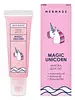
This hydrating lip mask is formulated around Prunus Amygdalus Dulcis Oil and Persea Gratissima Oil to hydrate lips and strengthen the lip barrier.
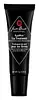
This hydrating lip mask is formulated around Petrolatum and Butyrospermum Parkii Butter to hydrate lips and strengthen the lip barrier.

What's inside
What's inside
 Key Ingredients
Benefits
Concerns
Ingredients Side-by-side
Vegetable Oil
Skin Conditioning


Prunus Amygdalus Dulcis Oil
Skin Conditioning


Persea Gratissima Oil
Skin Conditioning
Coco-Caprylate
Emollient
Hydrogenated Vegetable Oil
Emollient
C18-38 Alkyl Hydroxystearoyl Stearate
EmollientButyrospermum Parkii Butter
Skin Conditioning

Tocopheryl Acetate
Antioxidant


Aroma


Phenoxyethanol
Preservative
Ethylhexylglycerin
Skin ConditioningCaprylic/Capric Triglyceride
Masking
Cocos Nucifera Oil
Masking
BHA
Antioxidant
BHT
Antioxidant
CI 14720
Cosmetic ColorantVegetable Oil, Prunus Amygdalus Dulcis Oil, Persea Gratissima Oil, Coco-Caprylate, Hydrogenated Vegetable Oil, C18-38 Alkyl Hydroxystearoyl Stearate, Butyrospermum Parkii Butter, Tocopheryl Acetate, Aroma, Phenoxyethanol, Ethylhexylglycerin, Caprylic/Capric Triglyceride, Cocos Nucifera Oil, BHA, BHT, CI 14720
Petrolatum
Emollient
Lanolin
Emollient
Theobroma Cacao Seed Butter
Emollient
Cera Alba
Emollient
Ozokerite
Emulsion StabilisingPolyglyceryl-3 Beeswax
Emulsifying
Butyrospermum Parkii Butter
Skin Conditioning
Mel
EmollientIsohexadecane
EmollientHydrogenated Vegetable Oil
Emollient
Prunus Amygdalus Dulcis Oil
Skin Conditioning
C18-38 Alkyl Hydroxystearoyl Stearate
EmollientPersea Gratissima Oil
Skin Conditioning
Sodium Hyaluronate
Humectant


Chamomilla Recutita Flower Extract
Masking
Tripeptide-1
Skin Conditioning
Tocopheryl Acetate
Antioxidant
Ethylene/Propylene/Styrene Copolymer
Cera Microcristallina
Emulsion StabilisingButylene/Ethylene/Styrene Copolymer
Potassium Carbonate
BufferingXanthan Gum
EmulsifyingPetrolatum, Lanolin, Theobroma Cacao Seed Butter, Cera Alba, Ozokerite, Polyglyceryl-3 Beeswax, Butyrospermum Parkii Butter, Mel, Isohexadecane, Hydrogenated Vegetable Oil, Prunus Amygdalus Dulcis Oil, C18-38 Alkyl Hydroxystearoyl Stearate, Persea Gratissima Oil, Sodium Hyaluronate, Chamomilla Recutita Flower Extract, Tripeptide-1, Tocopheryl Acetate, Ethylene/Propylene/Styrene Copolymer, Cera Microcristallina, Butylene/Ethylene/Styrene Copolymer, Potassium Carbonate, Xanthan Gum
Ingredients Explained
These ingredients are found in both products.
Ingredients higher up in an ingredient list are typically present in a larger amount.
This ingredient is also known as shea butter. It is a plant-derived extract from the nuts of the Africa shea tree and one of the most well-studied emollients.
Because it has a high concentration of fatty acids (primarily oleic, stearic, and linoleic) it is able to form a protective barrier on the skin's surface. This helps seal in moisture and prevents transepidermal water loss (TEWL).
In vitro research found an increase in skin hydration by 58% and a decrease in TEWL by 37.8% after 24 hours of applying this ingredient (pretty impressive for a single ingredient!).
Besides hydration, shea butter also contains triterpenes that have anti-inflammatory potential. In particule, lupeol cinnamate has shown the highest anti-inflammatory activity in vivo.
Shea butter also contains vitamins A and E which may contribute to antioxidant activity.
While Shea Butter has an SPF rating of about 3-4, it is not a sunscreen replacement.
This ingredient may not be fungal acne safe because its fatty acids fall within the C11-C24 range that the Malassezia yeast can metabolize.
This ingredient shows up on a lot of "pore-clogging" lists but there's no real evidence behind that. It doesn't even have a comedogenic rating from an actual study; the numbers you'll find online come from blogs citing other blogs.
Ratings for other ingredients mostly come from a 1980s rabbit ear test. This test doesn't translate well to human skin or to real products because the ingredient sits at a much lower percentage.
Some people still find it breaks them out. So if that's you, definitely trust your skin. Just know this one's based on experience and not evidence.
Learn more about Butyrospermum Parkii ButterThis ingredient is a fatty-acid ester commonly used in makeup. It is use an emollient and emulsifier, and insoluble in water.
According to a manufacturer, it is a waxy solid and prevents other waxes from crystallizing.
It is created from stearic acid.
Learn more about C18-38 Alkyl Hydroxystearoyl StearateHydrogenated Vegetable Oil isn't a single oil. It's the labeling name for a blend of plant-derived oils that can include canola, rapeseed, safflower, sunflower, sesame, palm, palm kernel, cotton, soybean, olive, and more.
Hydrogenation is the processing step that reduces or removes the unsaturated bonds in the fatty acids to make the oil more resistant to oxidative and thermal damage.
In cosmetics, it acts as a skin conditioner, occlusive, and emollient that give products a rich body.
Concentrations are reported from 0.0004% to 60% with leave-on products going as high as 60% and rinse-off products staying at 8% or below.
The Cosmetic Ingredient Review has concluded this ingredient to be safe as used in cosmetics.
This ingredient does have a comedogenic rating of 3, but this doesn't mean a formula with this ingredient will clog pores. Human testing has proved that any finished product with this ingredient won't automatically make you break out; it really comes down to concentration, formula, and your skin.
Since this ingredient is a triglyceride built mostly from C16 and C18 fatty acids, this ingredient may not be fungal acne safe as that falls into the range the Malassezia yeast can metabolize.
Allergy-wise, the proteins responsible for plant food allergies are taken out of the refined oil. This is why reactions to refined oils are rare even from highly allergenic sources like peanut. Well-designed studies have also shown refined peanut oil is safely tolerated by the vast majority of peanut-allergic people.
However, the issue is with unrefined oils; be sure to reach out to the manufacturer if you have a plant food allergy about the type of oil used in their products.
The other catch for this INCI name is that it doesn't tell you which plants are in the blend so you would need to ask the brand.
Learn more about Hydrogenated Vegetable OilThis ingredient is also known as Avocado oil. It's the cold-pressed oil from the flesh of the avocado fruit packed with fatty acids (mostly oleic acid).
The rich fatty acid profile allows it to function as a skin conditioning agent and emollient; it helps soften and smooth skin while reducing water loss.
Preclinical research has found that topical avocado oil increased collagen synthesis and reduced inflammation during wound healing, giving it some skin-repairing credibility.
The unsaponifiable fraction of the oil is also interesting: studies on avocado unsaponifiables showed that it helped skin produce more collagen and other structural compounds that support healing.
The CIR Expert Panel has found this ingredient to be non-irritating in formulations.
It's a great ingredient for dry or compromised skin. Just know it may not be fungal acne safe. This is because the oleic acid content falls within the range that Malassezia can use as a food source.
Learn more about Persea Gratissima OilThis ingredient is also known as sweet almond oil. It is a lightweight, cold-pressed oil from the ripe seeds of the sweet almond tree.
Sweet almond oil is rich in skin-nourishing fatty acids such as oleic acid (55-86%) and linolenic acid (7-35%).
As an emollient, it softens and hydrates skin by forming a thin barrier that locks in moisture.
Clinical studies have found it to be non-irritating and non-sensitizing. The CIR Expert Panel has evaluated the available safety data and concluded it is safe for topical use.
Because of the oleic acid content, this ingredient may not be fungal acne safe.
Learn more about Prunus Amygdalus Dulcis OilTocopheryl Acetate is a stable, shelf-friendly form of vitamin E.
Formulators love it because plain vitamin E oxidizes quickly once it hits air. This acetate version stays stable and resists going off, helping to extend a product's shelf life.
It's actually inactive on its own and works like a slow-release "storage" form; the enzymes in your skin called esterases gradually convert it into active vitamin E over time.
One in vivo study showed 5% of the acetate in the living layer of the epidermis converted to vitamin E after 5 days of application. This study also found the skin gained protection against UV damage even though the conversion was slow and small.
Once converted, vitamin E acts as a skin's main fat-soluble antioxidant that fights free radicals to protect skin from damage.
Topical vitamin E generally boosts the skin's photoprotection, and it reduced UV-damage in animal models.
This ingredient has some brightening potential but it's more of a prevention ingredient than spot-fader. Cell studies show it can slow down melanin production but it's worth noting that it's not the most powerful brightener out there.
Overall, it has a pretty solid safety profile and has been found to be non-irritating and non-comedogenic. Allergic reactions may happen but stay rare due to how widely the ingredient gets used.
The concentration will vary depending on the formula; industry data shows 0.1% in baby lotions, 3% in lipsticks, and 5% in foot powders. You can also find this ingredient at 100% in a pure vitamin E oil.
Most leave-on skincare keeps it at the lower end, often between 0.5-1%.
Learn more about Tocopheryl Acetate

