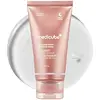
This anti-aging overnight mask is formulated around Niacinamide and Ceramide NP to soften the look of wrinkles and hydrate skin.
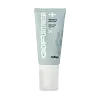
This hydrating overnight mask is formulated around Panthenol to hydrate skin and strengthen the skin barrier.


What's inside
What's inside
 Key Ingredients
Benefits
Concerns
Ingredients Side-by-side
Water
Skin ConditioningPolyvinyl Alcohol
Glycerin
Humectant


Agave Americana Stem Extract
Skin ConditioningNiacinamide
Smoothing









Sodium Hyaluronate
Humectant
1,2-Hexanediol
Skin Conditioning
Caprylyl Glycol
Emollient
Polyglyceryl-10 Laurate
Skin Conditioning

Chlorella Vulgaris Extract
Skin ConditioningGlucose
Humectant
Butylene Glycol
Humectant
Ethylhexylglycerin
Skin ConditioningFructooligosaccharides
Humectant
Fructose
Humectant
Adenosine
Skin Conditioning
Xanthan Gum
EmulsifyingCynanchum Atratum Extract
Skin ConditioningCaprylic/Capric Triglyceride
Masking
Hydrogenated Lecithin
Emulsifying
Althaea Rosea Flower Extract
Skin ConditioningCeramide NP
Skin Conditioning
Tocopherol
Antioxidant

Pancratium Maritimum Extract
BleachingCollagen Extract
Skin Conditioning
Sodium Stearoyl Glutamate
CleansingWater, Polyvinyl Alcohol, Glycerin, Agave Americana Stem Extract, Niacinamide, Sodium Hyaluronate, 1,2-Hexanediol, Caprylyl Glycol, Polyglyceryl-10 Laurate, Chlorella Vulgaris Extract, Glucose, Butylene Glycol, Ethylhexylglycerin, Fructooligosaccharides, Fructose, Adenosine, Xanthan Gum, Cynanchum Atratum Extract, Caprylic/Capric Triglyceride, Hydrogenated Lecithin, Althaea Rosea Flower Extract, Ceramide NP, Tocopherol, Pancratium Maritimum Extract, Collagen Extract, Sodium Stearoyl Glutamate
Water
Skin ConditioningGlycerin
Humectant
Oleic/Linoleic/Linolenic Polyglycerides
Emollient
Betaine
Humectant
Maltodextrin
Absorbent
Panthenol
Skin Conditioning
Isostearyl Alcohol
Emollient
Diglycerin
Humectant
Caprylic/Capric Triglyceride
Masking
Helianthus Annuus Seed Oil
Emollient
Undecane
EmollientTridecane
Perfuming

Nonapeptide-1
Skin Conditioning
Coenochloris Signiensis Extract
Skin ConditioningSea Water
HumectantLaminaria Digitata Extract
Skin Protecting

Chlorella Vulgaris Extract
Skin ConditioningSaccharide Isomerate
Humectant
Sodium Hyaluronate
Humectant
Lecithin
Emollient
Butylene Glycol Cocoate
Emulsifying
Sclerotium Gum
Emulsion StabilisingXanthan Gum
EmulsifyingEthylcellulose
Tocopherol
Antioxidant
Propylene Glycol
Humectant
Disodium Phosphate
BufferingSodium Phosphate
BufferingDecylene Glycol
Skin ConditioningCaprylyl Glycol
Emollient
Phenoxyethanol
Preservative
Ethylhexylglycerin
Skin ConditioningLactic Acid
Buffering

Water, Glycerin, Oleic/Linoleic/Linolenic Polyglycerides, Betaine, Maltodextrin, Panthenol, Isostearyl Alcohol, Diglycerin, Caprylic/Capric Triglyceride, Helianthus Annuus Seed Oil, Undecane, Tridecane, Nonapeptide-1, Coenochloris Signiensis Extract, Sea Water, Laminaria Digitata Extract, Chlorella Vulgaris Extract, Saccharide Isomerate, Sodium Hyaluronate, Lecithin, Butylene Glycol Cocoate, Sclerotium Gum, Xanthan Gum, Ethylcellulose, Tocopherol, Propylene Glycol, Disodium Phosphate, Sodium Phosphate, Decylene Glycol, Caprylyl Glycol, Phenoxyethanol, Ethylhexylglycerin, Lactic Acid
Reviews
Ingredients Explained
These ingredients are found in both products.
Ingredients higher up in an ingredient list are typically present in a larger amount.
Caprylic/Capric Triglyceride (aka MCT Oil) is a lightweight emollient, solvent, and texture enhancer. It is considered a skin-softener by helping to prevent moisture loss.
Though it behaves like an oil, it is not technically one due to its chemical composition. One perk of this ingredient is that it is very stable, resistant to oxidation, and unlikely to go rancid.
In practice, that translates to a long shelf life and a consistently elegant skin feel.
While there is an assumption Caprylic Triglyceride can clog pores due to it being derived from coconut oil, there is no research supporting this. Just patch test if you have concerns.
Fractionated coconut oil and MCT Oil are both listed as Caprylic/Capric Triglyceride according to INCI. This is because INCI names are based on the ingredient’s final chemical composition and not its marketing name or source.
This ingredient is treated as the gold standard fungal acne safe oil. Even though it is coconut derived, the problematic lauric acid is stripped out.
This leaves just caprylic (C8) and capric (C10) acid. These chain lengths actually trend antifungal; a 2020 study found caprylic acid was enough to disrupt Malassezia furfur cell membrane, with a caprylic acid derivative damaging membrane structures at concentrations as low as 0.2%.
Learn more about Caprylic/Capric TriglycerideCaprylyl Glycol is a humectant, skin conditioner, emollient, and preservative booster derived from either caprylic acid or synthetically created.
Typical use levels vary from 0.3-1% as a preservative booster and go up to 2% to condition skin.
Because it is not a free-fatty acid, this ingredient is fungal acne safe (there's nothing for Malassezia to feed on).
Learn more about Caprylyl GlycolChlorella Vulgaris Extract comes from a single-celled green freshwater algae.
The version used in skincare is almost always a water or glycerin-based extract that is basically the algae's amino acids, peptides, sugars, and chlorophyll pigments.
It acts as a skin-conditioning agent and the research behind it at this time is mostly lab-dish rather than human trials.
Isolated Chlorella peptides inhibit collagenase and elastase (the enzymes that chew up collagen and elastin) and mop up free radicals in test-tube assays. Another study found a Chlorella gel sped up wound healing in mice. Many of the firming or dark-circle claims come from the ingredient supplier's own studies.
Suppliers suggest using 1-2% of the trade version (Water/Glycerin + Chlorella Vulgaris Extract) in a finished formula which means the actual algae solids are a fraction of a percent.
Allergy risk is low and topical reactions are rare; the 2020 anaphylaxis case came from eating Chlorella supplements and not from putting it on skin.
However, patch testing is sensible if you have reacted to algae before.
The "chlorella is high in iodine so it breaks you out" line borrows from marine seaweed. Freshwater Chlorella isn't a notable iodine source unless it's deliberately grown in iodine-enriched medium.
Just so you know, many lists give algae a comedogenic rating of 5 and that number doesn't come from anywhere; it's not in the original rabbit-ear studies that most comedogenic ratings trace back to.
The reasoning behind the reputation is that seaweed is high in iodine and iodine can trigger acne-like breakouts when eaten. This traces back to a 1976 letter in Archives of Dermatology describing two women whose breakouts cleared after they stopped taking high-dose kelp supplements orally.
And the reaction of these two women wasn't clogged pores at all: it was an iodine-triggered pustular rash. Later research found normal dietary iodine doesn't meaningfully affect acne either and nobody has shown topical algae delivers enough iodine to matter.
Learn more about Chlorella Vulgaris ExtractEthylhexylglycerin is created from glycerin. It is a multitasker ingredient that:
The CIR Expert Panel found minimal skin absorption or sensitization of any kind in a safety assessment. Though this ingredient is considered well-tolerated, a small number of cases of allergic dermatitis have been published since 2002. Just be sure to patch test if you are unsure.
Industry-reported use ranges from 8% in rinse-off products and 2% in leave-on formulations.
Learn more about EthylhexylglycerinGlycerin (or glycerol) is a compound naturally found in your skin. It's a powerhouse humectant that pulls water into the stratum corneum.
Topically, glycerin does several things at once:
Your skin makes glycerin on its own (mostly from sebaceous oil breakdown) and shuttles it to your outermost layer of skin, or your epidermis, via aquaporin-3.
Aquaporin-3 is a transporter that is essential for normal skin hydration, elasticity, and repair. Interestingly, mice lacking in AQP3 have dry and less elastic skin that can be fully corrected with glycerin.
This ingredient is non-irritating, plays well with almost every ingredient, and works across all skin types. Typical use is anywhere between 3-10% but can go up to 79% in some leave-on products.
Just know very high concentrations (>40%) can feel tacky in low humidity.
Glycerin is the name for this ingredient in American English. British English uses Glycerol/Glycerine.
Learn more about GlycerinSodium Hyaluronate is the salt form of hyaluronic acid. It is a long sugar chain that is naturally found in your skin, joints, and connective tissue that maintains hydration and elasticity.
In skincare, it works as a humectant. It pulls water from the environment and deeper layers of skin and binds it to the surface.
Interestingly, the size of the molecule affects its behavior:
Some clinical evidence links low molecular weight versions to improved wrinkle depth, elasticity, anti-inflammatory effects, and barrier repair.
Many serums use a blend of both weights so you can get surface hydration plus longer-lasting and deeper effects.
You'll typically see concentrations between 0.1-2% for this ingredient.
Learn more about Sodium HyaluronateTocopherol is a fat-soluble antioxidant known as Vitamin E.
You'll find this ingredient in the vast majority of skincare (for good reason). It works to neutralize free radicals, or unstable molecules generated by UV exposure, pollution, and other environmental stressors, before they can cause oxidative damage to your skin cells.
Topically applied tocopherol has been shown to protect against UV damage by ramping up the skin's own natural defense enzymes.
It also acts as a skin conditioning agent; some studies show that regular topical use can improve the skin's water-binding capacity over 2-4 weeks.
This ingredient is especially loved for being a team player. When combined with Vitamin C, the photoprotective effect of both ingredients roughly doubles and the combo also helps reduce UV-induced DNA damage.
This ingredient has some brightening potential but it's more of a prevention ingredient than spot-fader. Cell studies show it can slow down melanin production but it's worth noting that it's not the most powerful brightener out there.
In formulations, it also serves as a stabilizer that helps protect other oxidation-prone ingredients from degrading.
Concentrations usually range from 0.1-1% in most leave-on products.
Learn more about TocopherolWater. It's the most common cosmetic ingredient of all. You'll usually see it at the top of ingredient lists, meaning that it makes up the largest part of the product.
So why is it so popular? Water most often acts as a solvent - this means that it helps dissolve other ingredients into the formulation.
You'll also recognize water as that liquid we all need to stay alive. If you see this, drink a glass of water. Remember to stay hydrated!
Learn more about WaterXanthan gum is used as a stabilizer and thickener within cosmetic products. It helps give products a sticky, thick feeling - preventing them from being too runny.
On the technical side of things, xanthan gum is a polysaccharide - a combination consisting of multiple sugar molecules bonded together.
Xanthan gum is a pretty common and great ingredient. It is a natural, non-toxic, non-irritating ingredient that is also commonly used in food products.
Learn more about Xanthan Gum

