This hydrating oil is formulated around Camellia Oleifera Seed Oil and Butyrospermum Parkii Butter to hydrate skin.
This hydrating serum is formulated around Camellia Japonica Seed Oil and Simmondsia Chinensis Seed Oil to hydrate skin and strengthen the skin barrier.

What's inside
What's inside
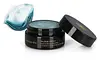 Key Ingredients

Benefits
Concerns
Ingredients Side-by-side
Camellia Oleifera Seed Oil
Skin Conditioning



Butyrospermum Parkii Butter
Skin Conditioning



Theobroma Cacao Seed Butter
Emollient
Sclerocarya Birrea Seed Oil
Humectant
Adansonia Digitata Seed Oil
Emollient
Tanacetum Annuum Flower Oil
Masking
Lavandula Angustifolia Oil
Masking



Pelargonium Graveolens Oil
Masking
Commiphora Myrrha Oil
Masking
Boswellia Carterii Oil
Masking
Vanilla Planifolia Fruit Extract
Skin Conditioning
Schisandra Sphenanthera Fruit Extract
Antioxidant
Helichrysum Angustifolium Flower Oil
Masking
Limonene
Perfuming
Linalool
Perfuming
Citral
Perfuming
Citronellol
Perfuming
Geraniol
Perfuming
Camellia Oleifera Seed Oil, Butyrospermum Parkii Butter, Theobroma Cacao Seed Butter, Sclerocarya Birrea Seed Oil, Adansonia Digitata Seed Oil, Tanacetum Annuum Flower Oil, Lavandula Angustifolia Oil, Pelargonium Graveolens Oil, Commiphora Myrrha Oil, Boswellia Carterii Oil, Vanilla Planifolia Fruit Extract, Schisandra Sphenanthera Fruit Extract, Helichrysum Angustifolium Flower Oil, Limonene, Linalool, Citral, Citronellol, Geraniol
Caprylic/Capric Triglyceride
Masking
Camellia Japonica Seed Oil
Emollient
Simmondsia Chinensis Seed Oil
Emollient
Garcinia Indica Seed Butter
Skin Conditioning
Octyldodecanol
Emollient
Jojoba Esters
Emollient
Lauroyl Lysine
Skin Conditioning
Helianthus Annuus Seed Wax
Skin Conditioning
Butyrospermum Parkii Butter
Skin Conditioning
Helianthus Annuus Seed Oil
Emollient
Squalane
Emollient
Dibutyl Ethylhexanoyl Glutamide
Skin ConditioningDibutyl Lauroyl Glutamide
Skin ConditioningSilica
Abrasive

Hippophae Rhamnoides Fruit Oil
Skin Protecting
Sodium Hyaluronate
Humectant

Centella Asiatica Leaf Extract
Skin Conditioning
Tanacetum Annuum Flower Oil
Masking
Camellia Sinensis Leaf Powder
Spirulina Platensis Extract
Skin ProtectingHoya Lacunosa Flower Extract
Skin ConditioningOpuntia Ficus-Indica Extract
Skin Conditioning
Glucomannan
Skin ConditioningAcacia Decurrens Flower Wax
Emollient
Prunus Amygdalus Dulcis Oil
Skin Conditioning
Tocopheryl Acetate
Antioxidant

Trihydroxystearin
Skin Conditioning
Ethylhexyl Palmitate
Emollient
Polyglycerin-3
Humectant
Hydrogenated Vegetable Oil
Emollient
Caprylic/Capric Triglyceride, Camellia Japonica Seed Oil, Simmondsia Chinensis Seed Oil, Garcinia Indica Seed Butter, Octyldodecanol, Jojoba Esters, Lauroyl Lysine, Helianthus Annuus Seed Wax, Butyrospermum Parkii Butter, Helianthus Annuus Seed Oil, Squalane, Dibutyl Ethylhexanoyl Glutamide, Dibutyl Lauroyl Glutamide, Silica, Hippophae Rhamnoides Fruit Oil, Sodium Hyaluronate, Centella Asiatica Leaf Extract, Tanacetum Annuum Flower Oil, Camellia Sinensis Leaf Powder, Spirulina Platensis Extract, Hoya Lacunosa Flower Extract, Opuntia Ficus-Indica Extract, Glucomannan, Acacia Decurrens Flower Wax, Prunus Amygdalus Dulcis Oil, Tocopheryl Acetate, Trihydroxystearin, Ethylhexyl Palmitate, Polyglycerin-3, Hydrogenated Vegetable Oil
Reviews
Ingredients Explained
These ingredients are found in both products.
Ingredients higher up in an ingredient list are typically present in a larger amount.
This ingredient is also known as shea butter. It is a plant-derived extract from the nuts of the Africa shea tree and one of the most well-studied emollients.
Because it has a high concentration of fatty acids (primarily oleic, stearic, and linoleic) it is able to form a protective barrier on the skin's surface. This helps seal in moisture and prevents transepidermal water loss (TEWL).
In vitro research found an increase in skin hydration by 58% and a decrease in TEWL by 37.8% after 24 hours of applying this ingredient (pretty impressive for a single ingredient!).
Besides hydration, shea butter also contains triterpenes that have anti-inflammatory potential. In particule, lupeol cinnamate has shown the highest anti-inflammatory activity in vivo.
Shea butter also contains vitamins A and E which may contribute to antioxidant activity.
While Shea Butter has an SPF rating of about 3-4, it is not a sunscreen replacement.
This ingredient may not be fungal acne safe because its fatty acids fall within the C11-C24 range that the Malassezia yeast can metabolize.
This ingredient shows up on a lot of "pore-clogging" lists but there's no real evidence behind that. It doesn't even have a comedogenic rating from an actual study; the numbers you'll find online come from blogs citing other blogs.
Ratings for other ingredients mostly come from a 1980s rabbit ear test. This test doesn't translate well to human skin or to real products because the ingredient sits at a much lower percentage.
Some people still find it breaks them out. So if that's you, definitely trust your skin. Just know this one's based on experience and not evidence.
Learn more about Butyrospermum Parkii ButterBlue tansy is a blue flower native to the Mediterranean. It has antioxidant, skin cooling, and perfuming properties.
This ingredient is currently being studied for its antifungal properties. While it does have antioxidant benefits - it may not be the best for sensitive skin (despite being advertised as so).
The cooling effect from blue tansy comes from its camphor content. Camphor is known to induce irritation in concentrations higher than 11%. It also contains another skin irritant, beta-pinene.
Learn more about Tanacetum Annuum Flower Oil

