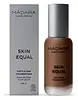
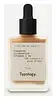
Madara Skin Equal Soft Glow Foundation SPF15 Versus Typology Tinted Serum Vitamin C, Squalane & Aloe Vera


What's inside
What's inside
 Key Ingredients
Benefits
Concerns
Ingredients Side-by-side
Aloe Barbadensis Leaf Juice
Skin Conditioning


Dicaprylyl Carbonate
EmollientIsoamyl Laurate
Emollient

Zinc Oxide
Cosmetic Colorant


Butylene Glycol
Humectant
Polyglyceryl-3 Polyricinoleate
Emulsifying
Oryza Sativa Bran Oil
Emollient
Vegetable Oil
Skin Conditioning
Helianthus Annuus Seed Wax
Skin Conditioning
Oryza Sativa Bran Wax
Skin Conditioning
Rhus Succedanea Fruit Wax
Polyglyceryl-3 Diisostearate
Emulsifying


Sodium Chloride
MaskingSodium PCA
Humectant
Xanthan Gum
EmulsifyingSodium Dehydroacetate
Preservative
Paeonia Lactiflora Root Extract
Skin ConditioningVaccinium Myrtillus Fruit Extract
Skin ConditioningAluminum Hydroxide
EmollientAroma


Glycolipids
Skin ConditioningHydrolyzed Hyaluronic Acid
Humectant


Sodium Hyaluronate
Humectant
Ascorbyl Palmitate
Antioxidant


Tocopherol
Antioxidant

Potassium Hydroxide
BufferingLimonene
Perfuming

Linalool
Perfuming
CI 77891
Cosmetic ColorantCI 77491
Cosmetic ColorantCI 77492
Cosmetic ColorantCI 77499
Cosmetic ColorantAloe Barbadensis Leaf Juice, Dicaprylyl Carbonate, Isoamyl Laurate, Zinc Oxide, Butylene Glycol, Polyglyceryl-3 Polyricinoleate, Oryza Sativa Bran Oil, Vegetable Oil, Helianthus Annuus Seed Wax, Oryza Sativa Bran Wax, Rhus Succedanea Fruit Wax, Polyglyceryl-3 Diisostearate, Sodium Chloride, Sodium PCA, Xanthan Gum, Sodium Dehydroacetate, Paeonia Lactiflora Root Extract, Vaccinium Myrtillus Fruit Extract, Aluminum Hydroxide, Aroma, Glycolipids, Hydrolyzed Hyaluronic Acid, Sodium Hyaluronate, Ascorbyl Palmitate, Tocopherol, Potassium Hydroxide, Limonene, Linalool, CI 77891, CI 77491, CI 77492, CI 77499
Water
Skin ConditioningIsoamyl Laurate
Emollient
C9-12 Alkane
SolventSqualane
Emollient
Polyglyceryl-3 Diisostearate
Emulsifying
Propanediol
Solvent
Silica
Abrasive

Polyglyceryl-6 Polyricinoleate
Emulsifying
Glycerin
Humectant
Magnesium Sulfate
Ascorbyl Tetraisopalmitate
Antioxidant
Polyglyceryl-2 Isostearate
Emulsifying
Coco-Caprylate/Caprate
Emollient
Disteardimonium Hectorite
StabilisingHydroxyethylcellulose
Emulsion StabilisingSodium Benzoate
Masking
Disodium Stearoyl Glutamate
CleansingPotassium Sorbate
Preservative
Aloe Barbadensis Leaf Juice
Skin Conditioning
Aluminum Hydroxide
EmollientSodium Nitrate
SoothingCI 77891
Cosmetic ColorantCI 77492
Cosmetic ColorantCI 77491
Cosmetic ColorantCI 77499
Cosmetic ColorantWater, Isoamyl Laurate, C9-12 Alkane, Squalane, Polyglyceryl-3 Diisostearate, Propanediol, Silica, Polyglyceryl-6 Polyricinoleate, Glycerin, Magnesium Sulfate, Ascorbyl Tetraisopalmitate, Polyglyceryl-2 Isostearate, Coco-Caprylate/Caprate, Disteardimonium Hectorite, Hydroxyethylcellulose, Sodium Benzoate, Disodium Stearoyl Glutamate, Potassium Sorbate, Aloe Barbadensis Leaf Juice, Aluminum Hydroxide, Sodium Nitrate, CI 77891, CI 77492, CI 77491, CI 77499
Reviews
Ingredients Explained
These ingredients are found in both products.
Ingredients higher up in an ingredient list are typically present in a larger amount.
Aloe Barbadensis Leaf Juice is the filtered, stabilized liquid pressed from the inner gel of the aloe vera leaf.
In cosmetics, it shows up as either soothing active or a water-replacement base. It is roughly 98-99% water and the last 1-2% is an interesting mix of polysaccharides, amino acids, vitamins, minerals, and enzymes.
The polysaccharides do most of the work: they bind water at the skin surface for a light, non-greasy hydration boost. And one of the polysaccharides, glycomannan, is linked to fibroblast stimulation + collagen synthesis. This is also why aloe has such a long track record in wound and burn healing.
This ingredient is also calming with anti-inflammatory and mild antimicrobial activity, making it a great pick for sensitive, irritated, or post-sun skin.
Realistic expectations matter though; the solid evidence is mostly limited to hydration, soothing, and wound support. Deeper claims about anti-aging or sun protection are not well backed, and science reviews note it does not prevent radiation-induced skin injury.
Because it plays well with almost everything, it's commonly used as a base alongside other actives like niacinamide or vitamin C.
Typical usage concentrations range from 0.5% (where hydration benefits already show up) all the way to 90%+ (where it replaces water as the main base).
The safety for this ingredient is well-establish as well. Overall, this is a great supporting ingredient for those who want a boost in hydration.
Learn more about Aloe Barbadensis Leaf JuiceAluminum Hydroxide is a form of aluminum. It can be naturally found in nature as the mineral gibbsite. In cosmetics, Aluminum Hydroxide is used as a colorant, pH adjuster, and absorbent.
As a colorant, Aluminum Hydroxide may add opacity, or reduce the transparency. Aluminum hydroxide is contains both basic and acidic properties.
According to manufacturers, this ingredient is an emollient and humectant. This means it helps hydrate the skin.
In medicine, this ingredient is used to help relieve heartburn and help heal ulcers.
There is currently no credible scientific evidence linking aluminum hydroxide in cosmetics to increased cancer risk.
Major health organizations allow the use of aluminum hydroxide in personal care products and have not flagged it as a carcinogenic risk at typical usage levels.
Learn more about Aluminum HydroxideCi 77491 is also hydrated iron III oxide. It's sole purpose is to give a red/pink hue to products.
Iron III oxides are classified as inorganic chemicals for coloring.
Synthetically created Ci 77491 is considered safer than those naturally found. This is because the synthetically created version may contain less impurities. Iron oxides are generally non-toxic and non-allergenic.
Learn more about CI 77491CI 77492 is also hydrated iron III oxide. It's sole purpose is to give a yellow hue to products.
Iron III oxides are classified as inorganic chemicals for coloring.
Synthetically created CI 77492 is considered safer than those naturally found. This is because the synthetically created version may contain less impurities. Iron oxides are generally non-toxic and non-allergenic.
Learn more about CI 77492Ci 77499 is also hydrated iron III oxide. It is created from mixing red and black iron oxides. This helps give shades of darkness to a product.
Iron III oxides are classified as inorganic chemicals for coloring.
Ci 77891 is a white pigment from Titanium dioxide. It is naturally found in minerals such as rutile and ilmenite.
It's main function is to add a white color to cosmetics. It can also be mixed with other colors to create different shades.
Ci 77891 is commonly found in sunscreens due to its ability to block UV rays.
Learn more about CI 77891Isoamyl Laurate is a plant-derived and biodegradable lightweight emollient that is an Ecocert/COSMOS approved alternative to silicones.
It functions as an emollient that helps soften and hydrate skin without leaving a greasy/sticky feel.
You'll find it in a range of products from makeup to sunscreen, and typically at low percentages (~2-5%).
This ingredient is deemed safe at current cosmetic use and non-sensitizing in human studies (it's even approved as a food additive flavoring substance).
Because this ingredient is an easter of lauric acid, it falls in the C11-24 range that Malassezia can feed on, making this ingredient not fungal acne safe.
Learn more about Isoamyl LauratePolyglyceryl-3 Diisostearate is a plant-derived, oil-soluble emulsifier. It keeps water-in-oil emulsions stable to prevent the ingredients from separating.
On the safety front, it's considered non-irritating and well-tolerated (it can even be found in formulations for baby skin).
This ingredient may not be fungal acne safe because research has shown that the Malassezia species can grow in the presence of fatty acid esters with chain lengths above C12 (and this one is C18).
While it does have a comedogenic rating of 4, the comedogenic rating scale was developed from rabbit ear models which has limited clinical relevance to human skin. Studies also show that comedogenic ingredients cannot predict how the overall formula will behave on human skin.
Learn more about Polyglyceryl-3 Diisostearate

