
What's inside
What's inside
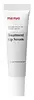 Key Ingredients
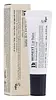
Benefits
Concerns
Ingredients Side-by-side
Polyisobutene
Hydrogenated Polyisobutene
EmollientBeeswax
Emulsion Stabilising




Microcrystalline Wax
Emulsion StabilisingPanthenol
Skin Conditioning




Ceramide NP
Skin Conditioning

Propolis Extract
Skin Conditioning

Honey Extract
Humectant
Simmondsia Chinensis Seed Oil
Emollient
Argania Spinosa Kernel Oil
Emollient

Macadamia Ternifolia Seed Oil
Emollient
Helianthus Annuus Seed Oil
Emollient
Vanilla Planifolia Fruit Extract
Skin Conditioning
Adansonia Digitata Seed Oil
Emollient
Mangifera Indica Seed Butter
Skin Conditioning
Methyl Hydrogenated Rosinate
Perfuming

Moringa Oleifera Seed Oil
Emollient
Triticum Vulgare Germ Oil
Emollient
Vanilla Planifolia Fruit Oil
Emollient
Mentha Spicata Herb Oil
Perfuming

Elaeis Guineensis Oil
Emollient
Tocopherol
Antioxidant


Polyisobutene, Hydrogenated Polyisobutene, Beeswax, Microcrystalline Wax, Panthenol, Ceramide NP, Propolis Extract, Honey Extract, Simmondsia Chinensis Seed Oil, Argania Spinosa Kernel Oil, Macadamia Ternifolia Seed Oil, Helianthus Annuus Seed Oil, Vanilla Planifolia Fruit Extract, Adansonia Digitata Seed Oil, Mangifera Indica Seed Butter, Methyl Hydrogenated Rosinate, Moringa Oleifera Seed Oil, Triticum Vulgare Germ Oil, Vanilla Planifolia Fruit Oil, Mentha Spicata Herb Oil, Elaeis Guineensis Oil, Tocopherol
Polyglyceryl-2 Triisostearate
Emulsifying
Helianthus Annuus Seed Oil
Emollient
Polyglyceryl-2 Isostearate/Dimer Dilinoleate Copolymer
EmollientButyrospermum Parkii Butter
Skin Conditioning
Sorbitan Olivate
Emulsifying
Copernicia Cerifera Wax
Trihydroxystearin
Skin Conditioning
Monascus Extract
Skin ConditioningArgania Spinosa Kernel Oil
Emollient
Camellia Japonica Seed Oil
Emollient
Camellia Sinensis Seed Oil
Humectant
Olea Europaea Fruit Oil
Masking
Macadamia Integrifolia Seed Oil
Skin Conditioning
Simmondsia Chinensis Seed Oil
Emollient
Glyceryl Caprylate
EmollientTocopherol
Antioxidant
Candida Bombicola/Glucose/Methyl Rapeseedate Ferment
AntimicrobialDehydroacetic Acid
Preservative
Polyglyceryl-2 Triisostearate, Helianthus Annuus Seed Oil, Polyglyceryl-2 Isostearate/Dimer Dilinoleate Copolymer, Butyrospermum Parkii Butter, Sorbitan Olivate, Copernicia Cerifera Wax, Trihydroxystearin, Monascus Extract, Argania Spinosa Kernel Oil, Camellia Japonica Seed Oil, Camellia Sinensis Seed Oil, Olea Europaea Fruit Oil, Macadamia Integrifolia Seed Oil, Simmondsia Chinensis Seed Oil, Glyceryl Caprylate, Tocopherol, Candida Bombicola/Glucose/Methyl Rapeseedate Ferment, Dehydroacetic Acid
Reviews
Ingredients Explained
These ingredients are found in both products.
Ingredients higher up in an ingredient list are typically present in a larger amount.
You may know this ingredient as argan oil. It has emollient and skin conditioning properties that help soften skin and reinforce the lipid barrier.
The fatty acid profile of argan oil is roughly 45-55% oleic acid, 28-36% linoleic acid, 10-15% palmitic acid, and 5-7% stearic acid. It also contains vitamin E, sterols, squalene, and polyphenols like ferulic acid.
Two clinical studies in postmenopausal women found that applying argan oil for 60 days significantly improved skin elasticity and moisturization (reduced transepidermal water loss and increased epidermal water content).
Since it is high in oleic and linoleic acid, this ingredient may not be fungal acne safe. Both of these fall in the C11-C24 range that Malassezia yeast can metabolize.
Learn more about Argania Spinosa Kernel OilHelianthus Annuus Seed Oil is a plant oil derived from the seeds of a sunflower.
It is rich in fatty acids, primarily linoleic acid and oleic acid. This gives it emollient and skin conditioning properties.
The reason this ingredient is so effective is because it forms a thin film on the skin that reduces transepidermal water loss (TEWL) while supplying linoleic acid to the stratum corneum to improve barrier strength.
The high linoleic acid content is particularly noteworthy for acne-prone skin.
Research suggests that acne-prone skin tends to be deficient in linoleic acid in sebum. Topical application may help replenish this to support a healthier follicular environment and less comedone-promoting sebum.
One randomized study found sunflower seed oil preserved skin barrier integrity in adult volunteers with and without atopic dermatitis (outperforming olive oil).
This ingredient is well-studied, gentle, and an effective emollient suitable for most skin types.
On fungal acne: This ingredient may not be Fungal acne (Malassezia folliculitis) safe. This is because it contains fatty acids with carbon chain lengths in the C11-C24 range.
Learn more about Helianthus Annuus Seed OilJojoba oil is one of the most well-studied plant-derived ingredients in cosmetics. It is an emollient with a special structure.
Because it is made up of 97-98% wax esters, it closely mirrors the linear monoesters found in human sebum. This makes it skin compatible, non-greasy, and lightweight.
Unlike other plant oils, jojoba wax doesn't easily penetrate skin. It mostly works in the uppermost layers as an emollient. This just means it forms a light barrier on the skin to help retain moisture.
Formulations with jojoba esters up to 90% reduced transepidermal water loss (TEWL) and increased barrier recovery by 81% (outperforming bisabolol at 47%).
Besides barrier support, the science also suggests jojoba to have anti-inflammatory effects and potential applications for skin infections, aging, and wound healing.
Fun fact: Indigenous cultures have used jojoba as a moisturizer and to help treat burns for centuries.
Fungal acne: The Malassezia yeast is known to metabolize fatty acids in the C11-24 range and jojoba's dominant fatty acid components fall into this range. This ingredient may not be fungal acne safe.
Learn more about Simmondsia Chinensis Seed OilTocopherol is a fat-soluble antioxidant known as Vitamin E.
You'll find this ingredient in the vast majority of skincare (for good reason). It works to neutralize free radicals, or unstable molecules generated by UV exposure, pollution, and other environmental stressors, before they can cause oxidative damage to your skin cells.
Topically applied tocopherol has been shown to protect against UV damage by ramping up the skin's own natural defense enzymes.
It also acts as a skin conditioning agent; some studies show that regular topical use can improve the skin's water-binding capacity over 2-4 weeks.
This ingredient is especially loved for being a team player. When combined with Vitamin C, the photoprotective effect of both ingredients roughly doubles and the combo also helps reduce UV-induced DNA damage.
This ingredient has some brightening potential but it's more of a prevention ingredient than spot-fader. Cell studies show it can slow down melanin production but it's worth noting that it's not the most powerful brightener out there.
In formulations, it also serves as a stabilizer that helps protect other oxidation-prone ingredients from degrading.
Concentrations usually range from 0.1-1% in most leave-on products.
Learn more about Tocopherol

