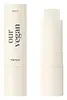
This barrier-repair lip moisturizer is formulated around Helianthus Annuus Seed Oil and Ricinus Communis Seed Oil to strengthen the lip barrier and hydrate lips.
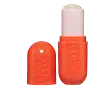
This barrier-repair lip moisturizer is formulated around Bis-Diglyceryl Polyacyladipate-2 and Simmondsia Chinensis Seed Oil to strengthen the lip barrier and hydrate lips.


What's inside
What's inside
 Key Ingredients
Benefits
Concerns
Ingredients Side-by-side
Helianthus Annuus Seed Oil
Emollient



Pentaerythrityl Tetraethylhexanoate
Emollient
Triethylhexanoin
MaskingBis-Diglyceryl Polyacyladipate-2
Emollient
Ricinus Communis Seed Oil
Masking
Trimethylolpropane Triethylhexanoate
EmollientEuphorbia Cerifera Cera
Astringent
Bis-Behenyl/Isostearyl/Phytosteryl Dimer Dilinoleyl Dimer Dilinoleate
EmollientSynthetic Wax
Abrasive

Hydrogenated Vegetable Oil
Emollient

Hdi/Trimethylol Hexyllactone Crosspolymer
Agave Tequilana Leaf Extract
AstringentAvena Sativa Kernel Extract
Abrasive



Linum Usitatissimum Seed Oil
Perfuming
Hydrolyzed Vegetable Protein
Skin ConditioningButylene Glycol
Humectant
Maltodextrin
Absorbent
Water
Skin ConditioningCopernicia Cerifera Wax
Acetylated Sucrose Distearate
EmollientPolyethylene
Abrasive
Silica
Abrasive

Glyceryl Caprylate
EmollientHelianthus Annuus Seed Oil, Pentaerythrityl Tetraethylhexanoate, Triethylhexanoin, Bis-Diglyceryl Polyacyladipate-2, Ricinus Communis Seed Oil, Trimethylolpropane Triethylhexanoate, Euphorbia Cerifera Cera, Bis-Behenyl/Isostearyl/Phytosteryl Dimer Dilinoleyl Dimer Dilinoleate, Synthetic Wax, Hydrogenated Vegetable Oil, Hdi/Trimethylol Hexyllactone Crosspolymer, Agave Tequilana Leaf Extract, Avena Sativa Kernel Extract, Linum Usitatissimum Seed Oil, Hydrolyzed Vegetable Protein, Butylene Glycol, Maltodextrin, Water, Copernicia Cerifera Wax, Acetylated Sucrose Distearate, Polyethylene, Silica, Glyceryl Caprylate
Olea Europaea Husk Oil
Skin Conditioning
Bis-Diglyceryl Polyacyladipate-2
Emollient
Caprylic/Capric Triglyceride
Masking
Polyglyceryl-2 Triisostearate
Emulsifying
Euphorbia Cerifera Wax
Helianthus Annuus Seed Wax
Skin Conditioning
Phytosteryl/Isostearyl/Cetyl/Stearyl/Behenyl Dimer Dilinoleate
Skin Conditioning
Simmondsia Chinensis Seed Oil
Emollient
Mango Butter Dimer Dilinoleyl Esters/Dimer Dilinoleate Copolymer
Emollient
Butyrospermum Parkii Butter
Skin Conditioning
Hydrogenated Castor Oil Dimer Dilinoleate
Skin Conditioning
Silica
Abrasive
Jojoba Esters
Emollient
Oryza Sativa Bran Wax
Skin Conditioning
Hydrogenated Rapeseed Oil
Emollient
Tocopheryl Acetate
Antioxidant

Tocopherol
Antioxidant

Moringa Oil/Hydrogenated Moringa Oil Esters
Skin Conditioning
Theobroma Cacao Seed Butter
Emollient
Acacia Decurrens Flower Wax
Emollient
Cichorium Intybus Root Extract
MaskingGlyceryl Caprylate
EmollientRebaudioside A
Skin ConditioningPolyglycerin-3
Humectant
Glycerin
Humectant
Water
Skin ConditioningAroma

Olea Europaea Husk Oil, Bis-Diglyceryl Polyacyladipate-2, Caprylic/Capric Triglyceride, Polyglyceryl-2 Triisostearate, Euphorbia Cerifera Wax, Helianthus Annuus Seed Wax, Phytosteryl/Isostearyl/Cetyl/Stearyl/Behenyl Dimer Dilinoleate, Simmondsia Chinensis Seed Oil, Mango Butter Dimer Dilinoleyl Esters/Dimer Dilinoleate Copolymer, Butyrospermum Parkii Butter, Hydrogenated Castor Oil Dimer Dilinoleate, Silica, Jojoba Esters, Oryza Sativa Bran Wax, Hydrogenated Rapeseed Oil, Tocopheryl Acetate, Tocopherol, Moringa Oil/Hydrogenated Moringa Oil Esters, Theobroma Cacao Seed Butter, Acacia Decurrens Flower Wax, Cichorium Intybus Root Extract, Glyceryl Caprylate, Rebaudioside A, Polyglycerin-3, Glycerin, Water, Aroma
Reviews
Ingredients Explained
These ingredients are found in both products.
Ingredients higher up in an ingredient list are typically present in a larger amount.
Bis-Diglyceryl Polyacyladipate-2 is a synthetic emollient that works as a lanolin substitute.
This ingredient is a great vegan option for those avoiding animal-derived ingredients.
It mostly stays on the surface of skin where it helps hydrate due to its large molecular size and low water solubility.
Due to it being derived from fatty acids, this ingredient may not be Malassezia or fungal acne safe.
Learn more about Bis-Diglyceryl Polyacyladipate-2Glyceryl Caprylate comes from glycerin and caprylic acid. It is an emollient, co-emulsifier, and preservative booster.
Its short C8 fatty acid chain makes it behave differently from its longer-chain emollient cousins like Glyceryl Stearate. It feels more lightweight, fast-absorbing, and silky instead of rich and waxy.
As a co-emulsifier, its "head" and "tail" sit at the oil-water interface. But overall, the short C8 tail and not being water soluble means it doesn't really have the muscle to emulsify a formula on its own. That's why you'll often see it paired with a primary emulsifier like Cetearyl Glucoside.
Interestingly, Glyceryl Caprylate acts as a preservative booster. This is because its fatty-acid backbone disrupts microbial lipid membranes. It shows excellent activity against bacteria and yeast but is weaker against mold.
Typical concentrations range from 0.5-1% and this ingredient is generally non-irritating.
Because this ingredient has a C8 fatty acid chain, it is outside the range that the Malassezia yeast metabolizes (making it fungal acne safe).
Learn more about Glyceryl CaprylateSilica, also known as silicon dioxide, is a naturally occurring mineral. It is used as a fine, spherical, and porous powder in cosmetics.
Though it has exfoliant properties, the function of silica varies depending on the product.
The unique structure of silica enhances the spreadability and adds smoothness, making it a great texture enhancer.
It is also used as an active carrier, emulsifier, and mattifier due to its ability to absorb excess oil.
In some products, tiny microneedles called spicules are made from silica or hydrolyzed sponge. When you rub them in, they lightly polish away dead skin layers and enhance the penetration of active ingredients.
Learn more about SilicaWater. It's the most common cosmetic ingredient of all. You'll usually see it at the top of ingredient lists, meaning that it makes up the largest part of the product.
So why is it so popular? Water most often acts as a solvent - this means that it helps dissolve other ingredients into the formulation.
You'll also recognize water as that liquid we all need to stay alive. If you see this, drink a glass of water. Remember to stay hydrated!
Learn more about Water

