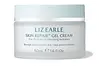
This barrier-repair moisturizer is formulated around Borago Officinalis Seed Oil and Persea Gratissima Oil to strengthen the skin barrier and hydrate skin.
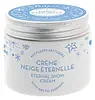
This moisturizer is formulated around Vitis Vinifera Seed Oil to hydrate skin.


What's inside
What's inside
 Key Ingredients
Benefits
Concerns
Ingredients Side-by-side
Water
Skin ConditioningPropanediol
Solvent

Glycerin
Humectant
Diheptyl Succinate
EmollientPolyglyceryl-6 Distearate
Emulsifying

Sodium Polyacrylate
Absorbent
Borago Officinalis Seed Oil
Emollient




Persea Gratissima Oil
Skin Conditioning
Humulus Lupulus Extract
AntimicrobialEchinacea Purpurea Extract
MoisturisingCetyl Alcohol
Emollient

Phenoxyethanol
Preservative
Jojoba Esters
Emollient
Caprylyl Glycol
Emollient
Parfum
Masking


Polyglyceryl-3 Beeswax
Emulsifying
Capryloyl Glycerin/Sebacic Acid Copolymer
Skin ConditioningCitric Acid
Buffering

Xanthan Gum
EmulsifyingTrisodium Ethylenediamine Disuccinate
ChelatingTocopherol
Antioxidant



Hydrolyzed Hyaluronic Acid
Humectant
Sodium Hydroxide
BufferingBenzyl Salicylate
Perfuming
Limonene
Perfuming
Linalool
Perfuming
Citronellol
Perfuming
Eugenol
Perfuming
Benzoic Acid
Masking
Benzyl Benzoate
Antimicrobial
Dehydroacetic Acid
Preservative
Glycine Soja Oil
Emollient
Water, Propanediol, Glycerin, Diheptyl Succinate, Polyglyceryl-6 Distearate, Sodium Polyacrylate, Borago Officinalis Seed Oil, Persea Gratissima Oil, Humulus Lupulus Extract, Echinacea Purpurea Extract, Cetyl Alcohol, Phenoxyethanol, Jojoba Esters, Caprylyl Glycol, Parfum, Polyglyceryl-3 Beeswax, Capryloyl Glycerin/Sebacic Acid Copolymer, Citric Acid, Xanthan Gum, Trisodium Ethylenediamine Disuccinate, Tocopherol, Hydrolyzed Hyaluronic Acid, Sodium Hydroxide, Benzyl Salicylate, Limonene, Linalool, Citronellol, Eugenol, Benzoic Acid, Benzyl Benzoate, Dehydroacetic Acid, Glycine Soja Oil
Water
Skin ConditioningGlycerin
Humectant
Cetearyl Ethylhexanoate
Emollient
Vitis Vinifera Seed Oil
Emollient
Glyceryl Stearate Se
Emulsifying
Pentaerythrityl Distearate
Emulsifying
Hydroxystearic/Linolenic/Oleic Polyglycerides
EmollientPolymethyl Methacrylate

Saponaria Pumila Callus Culture Extract
Skin ConditioningSodium Polyacrylate Starch
AbsorbentIsomalt
HumectantChlorphenesin
Antimicrobial
Phenylpropanol
Masking
Propanediol
Solvent
Caprylyl Glycol
Emollient
Xanthan Gum
EmulsifyingParfum
Masking
Benzyl Salicylate
Perfuming
Tocopherol
Antioxidant
Glycine Soja Oil
Emollient
Limonene
Perfuming
Linalool
Perfuming
Alpha-Isomethyl Ionone
Perfuming
Geraniol
Perfuming
Lecithin
Emollient
Coumarin
Perfuming
Water, Glycerin, Cetearyl Ethylhexanoate, Vitis Vinifera Seed Oil, Glyceryl Stearate Se, Pentaerythrityl Distearate, Hydroxystearic/Linolenic/Oleic Polyglycerides, Polymethyl Methacrylate, Saponaria Pumila Callus Culture Extract, Sodium Polyacrylate Starch, Isomalt, Chlorphenesin, Phenylpropanol, Propanediol, Caprylyl Glycol, Xanthan Gum, Parfum, Benzyl Salicylate, Tocopherol, Glycine Soja Oil, Limonene, Linalool, Alpha-Isomethyl Ionone, Geraniol, Lecithin, Coumarin
Reviews
Ingredients Explained
These ingredients are found in both products.
Ingredients higher up in an ingredient list are typically present in a larger amount.
Benzyl Salicylate is a solvent and fragrance additive. It is an ester of benzyl alcohol and salicylic acid. This ingredient can be naturally found in some plants and plant extracts.
In fragrances, Benzyl Salicylate may be a solvent or a fragrance component. In synthetic musk scents, it is used as a solvent. For floral fragrances such as lilac and jasmine, it is used as a fragrance component. The natural scent of Benzyl Salicylate is described as "lightly-sweet, slightly balsamic".
While Benzyl Salicylate has been associated with contact dermatitis and allergies, emerging studies show it may not be caused by this ingredient alone.
However, this ingredient is often used with fragrances and other components that may cause allergies. It is still listed as a known allergen in the EU. We recommend speaking with a professional if you have concerns.
Another study from 2021 shows Benzyl Salicylate may have anti-inflammatory properties.
Learn more about Benzyl SalicylateCaprylyl Glycol is a humectant, skin conditioner, emollient, and preservative booster derived from either caprylic acid or synthetically created.
Typical use levels vary from 0.3-1% as a preservative booster and go up to 2% to condition skin.
Because it is not a free-fatty acid, this ingredient is fungal acne safe (there's nothing for Malassezia to feed on).
Learn more about Caprylyl GlycolGlycerin (or glycerol) is a compound naturally found in your skin. It's a powerhouse humectant that pulls water into the stratum corneum.
Topically, glycerin does several things at once:
Your skin makes glycerin on its own (mostly from sebaceous oil breakdown) and shuttles it to your outermost layer of skin, or your epidermis, via aquaporin-3.
Aquaporin-3 is a transporter that is essential for normal skin hydration, elasticity, and repair. Interestingly, mice lacking in AQP3 have dry and less elastic skin that can be fully corrected with glycerin.
This ingredient is non-irritating, plays well with almost every ingredient, and works across all skin types. Typical use is anywhere between 3-10% but can go up to 79% in some leave-on products.
Just know very high concentrations (>40%) can feel tacky in low humidity.
Glycerin is the name for this ingredient in American English. British English uses Glycerol/Glycerine.
Learn more about GlycerinGlycine Soja Oil is a plant-derived oil from soybean seeds. Like other oils, it is rich in essential fatty acids (mostly linoleic and oleic) that support skin hydration and barrier function.
The fatty acids are able to integrate into the lipid matrix of the stratum corneum to help soften skin and reduce water loss.
On top of that, soybean oil is rich in vitamins like vitamin E, a potent antioxidant.
Research on soybean's active components also point to anti-inflammatory, collagen-stimulating, antioxidant activity, and protection against UV-induced oxidative damage.
Most of this research applies to the broader soybean plant and not just the oil fraction alone.
This ingredient does carry a comedogenic rating of 3 from the old rabbit-ear assay. Just remember testing finished products in humans showed that formulas built with "comedogenic" ingredients are not necessarily comedogenic themselves. It's worth patch testing if you're breakout prone, and always listen to your skin.
Because this ingredient is a saturated triglyceride, it may not be fungal acne safe. This is because Malassezia breaks down sebum triglycerides into fatty acids it can consume, making this ingredient a possible source for the yeast.
Learn more about Glycine Soja OilLimonene is the compound that gives citrus peel its smell.
In skincare, it shows up as a standalone fragrance ingredient or as a natural compound of citrus and other essential oils.
You'll typically see this ingredient used in very small amounts; anything above 0.001% in a leave-on product or 0.01% in a rinse-off has to be named on the label in the EU. The citrus oils that carry it sit around 0.5-1% in a finished formula.
Fresh limonene is a weak allergen; the real issue is that it slowly reacts with air and then breaks down from oxidation to create hydroperoxides (which are strong sensitizers). This is why suppliers are required to keep the peroxide value below 20 mmol.
Positive reactions in people being investigated for eczema vary:
It's worth skipping if you have a known fragrance allergy or a compromised barrier, but the risk is low for most people.
Older or long-opened products are also more likely to bother you than fresh ones due to oxidation.
Learn more about LimoneneLinalool is a small, naturally occurring scent molecule found in plants like lavender, coriander, bergamot, and more.
It is one of the two most-used fragrance ingredients in cosmetics and added purely for smell. Since it's not used for a skin benefit, there's no "effective dose". Concentration depends on the fragrance load of the product.
The EU requires it to be named on the label above 0.001% in leave-on and 0.01% in rinse-off products.
Fresh linalool is a weak sensitizer but air exposure turns some of it into hydroperoxides, which are strong sensitizers. Those oxidation products are the actual allergy concern.
Patch-test clinics see positive reactions to linalool hydroperoxides in about 4% to 12% of dermatitis patients depending on country and test concentration.
Resassuringly, one analytical study found hydroperoxide levels in real fragranced products to be orders of magnitude below what induced sensitization in animal studies with no evidence of oxidation building up during normal storage.
The practical takeaway is that linalool is fine for most people but worth avoiding if you have a confirmed fragrance contact allergy or a badly compromised barrier.
Products stored a long time after opening are also the high-risk scenario since that is when oxidation happens.
The scent of linalool is described as floral, spicy tropical, and citrus-like.
Learn more about LinaloolParfum is a catch-all term for an ingredient or more that is used to give a scent to products.
Also called "fragrance", this ingredient can be a blend of hundreds of chemicals or plant oils. This means every product with "fragrance" or "parfum" in the ingredients list is a different mixture.
For instance, Habanolide is a proprietary trade name for a specific aroma chemical. When used as a fragrance ingredient in cosmetics, most aroma chemicals fall under the broad labeling category of “FRAGRANCE” or “PARFUM” according to EU and US regulations.
The term 'parfum' or 'fragrance' is not regulated in many countries. In many cases, it is up to the brand to define this term.
For instance, many brands choose to label themselves as "fragrance-free" because they are not using synthetic fragrances. However, their products may still contain ingredients such as essential oils that are considered a fragrance by INCI standards.
One example is Calendula flower extract. Calendula is an essential oil that still imparts a scent or 'fragrance'.
Depending on the blend, the ingredients in the mixture can cause allergies and sensitivities on the skin. Some ingredients that are known EU allergens include linalool and citronellol.
Parfum can also be used to mask or cover an unpleasant scent.
The bottom line is: not all fragrances/parfum/ingredients are created equally. If you are worried about fragrances, we recommend taking a closer look at an ingredient. And of course, we always recommend speaking with a professional.
Learn more about ParfumPropanediol is an all-star ingredient. It softens, hydrates, and smooths the skin.
It’s often used to:
Propanediol is not likely to cause sensitivity and considered safe to use. It is derived from corn or petroleum with a clear color and no scent.
Learn more about PropanediolTocopherol is a fat-soluble antioxidant known as Vitamin E.
You'll find this ingredient in the vast majority of skincare (for good reason). It works to neutralize free radicals, or unstable molecules generated by UV exposure, pollution, and other environmental stressors, before they can cause oxidative damage to your skin cells.
Topically applied tocopherol has been shown to protect against UV damage by ramping up the skin's own natural defense enzymes.
It also acts as a skin conditioning agent; some studies show that regular topical use can improve the skin's water-binding capacity over 2-4 weeks.
This ingredient is especially loved for being a team player. When combined with Vitamin C, the photoprotective effect of both ingredients roughly doubles and the combo also helps reduce UV-induced DNA damage.
This ingredient has some brightening potential but it's more of a prevention ingredient than spot-fader. Cell studies show it can slow down melanin production but it's worth noting that it's not the most powerful brightener out there.
In formulations, it also serves as a stabilizer that helps protect other oxidation-prone ingredients from degrading.
Concentrations usually range from 0.1-1% in most leave-on products.
Learn more about TocopherolWater. It's the most common cosmetic ingredient of all. You'll usually see it at the top of ingredient lists, meaning that it makes up the largest part of the product.
So why is it so popular? Water most often acts as a solvent - this means that it helps dissolve other ingredients into the formulation.
You'll also recognize water as that liquid we all need to stay alive. If you see this, drink a glass of water. Remember to stay hydrated!
Learn more about WaterXanthan gum is used as a stabilizer and thickener within cosmetic products. It helps give products a sticky, thick feeling - preventing them from being too runny.
On the technical side of things, xanthan gum is a polysaccharide - a combination consisting of multiple sugar molecules bonded together.
Xanthan gum is a pretty common and great ingredient. It is a natural, non-toxic, non-irritating ingredient that is also commonly used in food products.
Learn more about Xanthan Gum

