This mild cream cleanser is made to cleanse while respecting your skin barrier.
This mild cream cleanser is made to cleanse without leaving your skin tight or dry.


What's inside
What's inside
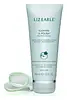 Key Ingredients
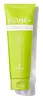
No key ingredients
Benefits
Concerns
Ingredients Side-by-side
Water
Skin ConditioningCaprylic/Capric Triglyceride
Masking


Theobroma Cacao Seed Butter
Emollient




Cetearyl Alcohol
Emollient
Cetyl Esters
Emollient
Cera Alba
Emollient
Glycerin
Humectant
Polysorbate 60
Emulsifying
Sorbitan Stearate
Emulsifying
Eucalyptus Globulus Leaf Oil
Perfuming




Rosmarinus Officinalis Leaf Extract
AntimicrobialHumulus Lupulus Extract
AntimicrobialChamomilla Recutita Flower Extract
Masking

Propylene Glycol
Humectant
Phenoxyethanol
Preservative
Panthenol
Skin Conditioning
Benzoic Acid
Masking
Dehydroacetic Acid
Preservative
Sorbitol
Humectant
Limonene
Perfuming
Ethylhexylglycerin
Skin ConditioningPolyaminopropyl Biguanide
Preservative
Citric Acid
Buffering

Sodium Hydroxide
BufferingWater, Caprylic/Capric Triglyceride, Theobroma Cacao Seed Butter, Cetearyl Alcohol, Cetyl Esters, Cera Alba, Glycerin, Polysorbate 60, Sorbitan Stearate, Eucalyptus Globulus Leaf Oil, Rosmarinus Officinalis Leaf Extract, Humulus Lupulus Extract, Chamomilla Recutita Flower Extract, Propylene Glycol, Phenoxyethanol, Panthenol, Benzoic Acid, Dehydroacetic Acid, Sorbitol, Limonene, Ethylhexylglycerin, Polyaminopropyl Biguanide, Citric Acid, Sodium Hydroxide
Water
Skin ConditioningDicaprylyl Carbonate
EmollientEthylhexyl Stearate
Emollient
Glycerin
Humectant
Squalane
Emollient
Propanediol
Solvent
Pentylene Glycol
Skin Conditioning
Acrylates/C10-30 Alkyl Acrylate Crosspolymer
Emulsion StabilisingChlorphenesin
Antimicrobial
Withania Somnifera Root Extract
Skin Conditioning
Helianthus Annuus Seed Oil
Emollient
Citrus Aurantium Dulcis Peel Oil
Masking
Sodium Hydroxide
BufferingLimonene
Perfuming
Trisodium Ethylenediamine Disuccinate
ChelatingLactic Acid
Buffering



1,2-Hexanediol
Skin Conditioning
Caprylyl Glycol
Emollient
Tocopherol
Antioxidant

Citrus Nobilis Peel Oil
Masking
Helianthus Annuus Leaf/Stem Extract
Skin ConditioningBarosma Betulina Leaf Oil
Perfuming
Vanilla Planifolia Fruit Extract
Skin Conditioning
Water, Dicaprylyl Carbonate, Ethylhexyl Stearate, Glycerin, Squalane, Propanediol, Pentylene Glycol, Acrylates/C10-30 Alkyl Acrylate Crosspolymer, Chlorphenesin, Withania Somnifera Root Extract, Helianthus Annuus Seed Oil, Citrus Aurantium Dulcis Peel Oil, Sodium Hydroxide, Limonene, Trisodium Ethylenediamine Disuccinate, Lactic Acid, 1,2-Hexanediol, Caprylyl Glycol, Tocopherol, Citrus Nobilis Peel Oil, Helianthus Annuus Leaf/Stem Extract, Barosma Betulina Leaf Oil, Vanilla Planifolia Fruit Extract
Ingredients Explained
These ingredients are found in both products.
Ingredients higher up in an ingredient list are typically present in a larger amount.
Glycerin (or glycerol) is a compound naturally found in your skin. It's a powerhouse humectant that pulls water into the stratum corneum.
Topically, glycerin does several things at once:
Your skin makes glycerin on its own (mostly from sebaceous oil breakdown) and shuttles it to your outermost layer of skin, or your epidermis, via aquaporin-3.
Aquaporin-3 is a transporter that is essential for normal skin hydration, elasticity, and repair. Interestingly, mice lacking in AQP3 have dry and less elastic skin that can be fully corrected with glycerin.
This ingredient is non-irritating, plays well with almost every ingredient, and works across all skin types. Typical use is anywhere between 3-10% but can go up to 79% in some leave-on products.
Just know very high concentrations (>40%) can feel tacky in low humidity.
Glycerin is the name for this ingredient in American English. British English uses Glycerol/Glycerine.
Learn more about GlycerinLimonene is the compound that gives citrus peel its smell.
In skincare, it shows up as a standalone fragrance ingredient or as a natural compound of citrus and other essential oils.
You'll typically see this ingredient used in very small amounts; anything above 0.001% in a leave-on product or 0.01% in a rinse-off has to be named on the label in the EU. The citrus oils that carry it sit around 0.5-1% in a finished formula.
Fresh limonene is a weak allergen; the real issue is that it slowly reacts with air and then breaks down from oxidation to create hydroperoxides (which are strong sensitizers). This is why suppliers are required to keep the peroxide value below 20 mmol.
Positive reactions in people being investigated for eczema vary:
It's worth skipping if you have a known fragrance allergy or a compromised barrier, but the risk is low for most people.
Older or long-opened products are also more likely to bother you than fresh ones due to oxidation.
Learn more about LimoneneSodium Hydroxide is also known as lye or caustic soda. It is used to adjust the pH of products; many ingredients require a specific pH to be effective.
In small amounts, sodium hydroxide is considered safe to use. However, large amounts may cause chemical burns due to its high alkaline.
Your skin has a natural pH and acid mantle. This acid mantle helps prevent harmful bacteria from breaking through. The acid mantle also helps keep your skin hydrated.
"Alkaline" refers to a high pH level. A low pH level would be considered acidic.
Learn more about Sodium HydroxideWater. It's the most common cosmetic ingredient of all. You'll usually see it at the top of ingredient lists, meaning that it makes up the largest part of the product.
So why is it so popular? Water most often acts as a solvent - this means that it helps dissolve other ingredients into the formulation.
You'll also recognize water as that liquid we all need to stay alive. If you see this, drink a glass of water. Remember to stay hydrated!
Learn more about Water

