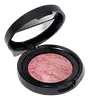
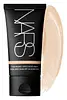
Laura Geller Baked Blush-N-Brighten Marbleized Blush Versus NARS Cosmetics Pure Radiant Tinted Moisturizer SPF 30
This brightening day moisturizer is formulated around Ascorbyl Glucoside to brighten dull-looking skin.


What's inside
What's inside
 Key Ingredients
Benefits
Concerns
Ingredients Side-by-side
Mica
Cosmetic ColorantTalc
Abrasive
Dimethicone
Emollient

Isopropyl Palmitate
Emollient




Polysorbate 20
Emulsifying
Simmondsia Chinensis Seed Oil
Emollient


Centella Asiatica Extract
Cleansing



Camellia Sinensis Leaf Extract
Antimicrobial



Lauroyl Lysine
Skin Conditioning
Tocopheryl Acetate
Antioxidant
Isohexadecane
EmollientCaprylyl Glycol
Emollient
Sorbitan Stearate
Emulsifying
Hexylene Glycol
EmulsifyingNylon-12

Propylene Glycol Dicaprylate/Dicaprate
EmollientSorbitan Oleate
Emulsifying
Acrylamide/Sodium Acryloyldimethyltaurate Copolymer
Emulsion StabilisingMagnesium Aluminum Silicate
Absorbent
Octyldodecyl Stearate
Emollient
Cetearyl Ethylhexanoate
Emollient
Polysorbate 80
Emulsifying
Tin Oxide
Abrasive
Calcium Sodium Borosilicate
Synthetic Fluorphlogopite
Calcium Aluminum Borosilicate
Silica
Abrasive
Phenoxyethanol
Preservative
Sodium Dehydroacetate
Preservative
CI 77891
Cosmetic ColorantIron Oxides
CI 77007
Cosmetic ColorantCI 15850
Cosmetic ColorantCI 75470
Cosmetic ColorantMica, Talc, Dimethicone, Isopropyl Palmitate, Polysorbate 20, Simmondsia Chinensis Seed Oil, Centella Asiatica Extract, Camellia Sinensis Leaf Extract, Lauroyl Lysine, Tocopheryl Acetate, Isohexadecane, Caprylyl Glycol, Sorbitan Stearate, Hexylene Glycol, Nylon-12, Propylene Glycol Dicaprylate/Dicaprate, Sorbitan Oleate, Acrylamide/Sodium Acryloyldimethyltaurate Copolymer, Magnesium Aluminum Silicate, Octyldodecyl Stearate, Cetearyl Ethylhexanoate, Polysorbate 80, Tin Oxide, Calcium Sodium Borosilicate, Synthetic Fluorphlogopite, Calcium Aluminum Borosilicate, Silica, Phenoxyethanol, Sodium Dehydroacetate, CI 77891, Iron Oxides, CI 77007, CI 15850, CI 75470
Water
Skin ConditioningDimethicone
Emollient
Ethylhexyl Methoxycinnamate
UV Absorber

Titanium Dioxide
Cosmetic Colorant
Butylene Glycol
Humectant
Propanediol
Solvent
Diethylhexyl Succinate
EmollientGlycerin
Humectant
Nylon-12
Cyclomethicone
Emollient
PEG-9 Polydimethylsiloxyethyl Dimethicone
Emulsifying
PEG-10 Dimethicone
Skin Conditioning
Aluminum Hydroxide
EmollientDiphenylsiloxy Phenyl Trimethicone
Skin Conditioning
Disteardimonium Hectorite
StabilisingSorbitan Sesquiisostearate
Emulsifying
Stearic Acid
Cleansing
Phenoxyethanol
Preservative
Polymethylsilsesquioxane
Parfum
Masking

Dimethicone/Vinyl Dimethicone Crosspolymer
Skin Conditioning
Trisodium EDTA
ChelatingAluminum Distearate
Emulsion StabilisingTalc
Abrasive
Ascorbyl Glucoside
Antioxidant
Polysilicone-2
Vibrio Alginolyticus Ferment Filtrate
Abrasive
Tocopherol
Antioxidant
Alteromonas Ferment Filtrate
HumectantMaris Sal
Skin ConditioningHydrogen Dimethicone
BHT
Antioxidant
Algae
Skin Conditioning
Sodium Metabisulfite
Antioxidant
Curcuma Longa Root Extract
Antioxidant
Potassium Sorbate
Preservative
Geraniol
Perfuming
Limonene
Perfuming
Citral
Perfuming
Linalool
Perfuming
CI 77891
Cosmetic ColorantCI 77491
Cosmetic ColorantCI 77492
Cosmetic ColorantCI 77499
Cosmetic ColorantWater, Dimethicone, Ethylhexyl Methoxycinnamate, Titanium Dioxide, Butylene Glycol, Propanediol, Diethylhexyl Succinate, Glycerin, Nylon-12, Cyclomethicone, PEG-9 Polydimethylsiloxyethyl Dimethicone, PEG-10 Dimethicone, Aluminum Hydroxide, Diphenylsiloxy Phenyl Trimethicone, Disteardimonium Hectorite, Sorbitan Sesquiisostearate, Stearic Acid, Phenoxyethanol, Polymethylsilsesquioxane, Parfum, Dimethicone/Vinyl Dimethicone Crosspolymer, Trisodium EDTA, Aluminum Distearate, Talc, Ascorbyl Glucoside, Polysilicone-2, Vibrio Alginolyticus Ferment Filtrate, Tocopherol, Alteromonas Ferment Filtrate, Maris Sal, Hydrogen Dimethicone, BHT, Algae, Sodium Metabisulfite, Curcuma Longa Root Extract, Potassium Sorbate, Geraniol, Limonene, Citral, Linalool, CI 77891, CI 77491, CI 77492, CI 77499
Reviews
Ingredients Explained
These ingredients are found in both products.
Ingredients higher up in an ingredient list are typically present in a larger amount.
Ci 77891 is a white pigment from Titanium dioxide. It is naturally found in minerals such as rutile and ilmenite.
It's main function is to add a white color to cosmetics. It can also be mixed with other colors to create different shades.
Ci 77891 is commonly found in sunscreens due to its ability to block UV rays.
Learn more about CI 77891Dimethicone is a type of synthetic silicone created from natural materials such as quartz. It is also known as polydimethylsiloxane.
What it does:
Dimethicone comes in different viscosities:
Depending on the viscosity, dimethicone has different properties.
Ingredients lists don't always show which type is used, so we recommend reaching out to the brand if you have questions about the viscosity.
This ingredient is unlikely to cause irritation because it does not get absorbed into skin. However, people with silicone allergies should be careful about using this ingredient.
Note: Dimethicone may contribute to pilling. This is because it is not oil or water soluble, so pilling may occur when layered with products. When mixed with heavy oils in a formula, the outcome is also quite greasy.
Learn more about DimethiconeNylon-12 is a polymer. It is derived from 12-aminododecanoic acid, an omega-amino fatty acid
According to a manufacturer, it is a talc substitute. Like talc, nylon-12 gives products a satin feel. The manufacturer also claims this ingredients does not block pores and has moderate oil absorption.
This ingredient may not be reef-safe.
Learn more about Nylon-12Phenoxyethanol is one of the most widely used preservatives in skincare (and for good reason!).
It has a large spectrum of antimicrobial activity and especially effective bacteria, yeast, and mold while only having a weak effect on your skin's natural microbiome.
On a cellular level, it disrupts the cell membranes of microbes by poking holes that make the cell leak. This shuts down the chemical reactions the microbe needs to make energy so it can no longer survive.
Another perk of this ingredient is that it stays functional across a wide pH range (3-10).
You'll often see it paired with boosters like Ethylhexylglycerin; one study showed that a 1:9 ratio of Ethylhexylglycerin to Phenoxyethanol damages bacterial membranes as effectively as doubling the Phenoxyethanol concentration on its own.
Typical use concentrations range from 0.3-1% depending on the formula, and this ingredient is capped at 1% int the EU.
Safety-wise, the fear mongering does not hold up to the evidence. The EU's Scientific Committee on Consumer Safety and FDA consider it safe as a preservative at up to 1%, including for children of all ages.
Adverse systemic effects only showed up in animal studies at exposures roughly 200x higher than what people get from cosmetics. And despite its very widespread use, this ingredient is a rare sensitizer and allergic reactions are uncommon.
Learn more about PhenoxyethanolTalc is a clay mineral. It helps absorb moisture and improve the texture of products. Like other types of clay, Talc can have a slight exfoliating effect on skin. Talc can be added to increase the volume of products.
Some Baby powders are made by combining talc with corn starch. The word "talc" comes from Latin and originates from Arabic. Talc is a mineral commonly found throughout the world.
If you have any concerns about using talc, we recommend checking out the FDA's official page.
Learn more about Talc

