
What's inside
What's inside
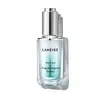 Key Ingredients
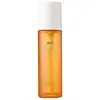
Benefits
Concerns
Ingredients Side-by-side
Water
Skin ConditioningPropanediol
Solvent
Polyglycerin-3
Humectant
Butylene Glycol
Humectant
Trehalose
Humectant
Glycerin
Humectant


Saururus Chinensis Extract
Skin ConditioningRaffinose
Skin ConditioningYeast Extract
Skin Conditioning
Panthenol
Skin Conditioning

3-O-Ethyl Ascorbic Acid
Skin Conditioning


Camellia Sinensis Leaf Extract
Antimicrobial

Beta-Glucan
Skin Conditioning
Acetyl Glucosamine
Skin Conditioning1,2-Hexanediol
Skin Conditioning
Glyceryl Caprylate
EmollientDimethicone
Emollient
Bis-PEG-18 Methyl Ether Dimethyl Silane
EmollientCetearyl Olivate
Sodium Methyl Stearoyl Taurate
CleansingSodium Hyaluronate
Humectant
Sorbitan Olivate
Emulsifying
Ammonium Acryloyldimethyltaurate/Vp Copolymer
Ethylhexylglycerin
Skin ConditioningAlcohol
Antimicrobial





Caprylyl Glycol
Emollient
Phenoxyethanol
Preservative
PEG-60 Hydrogenated Castor Oil
Emulsifying
Hydrogenated Lecithin
Emulsifying
Hydroxyethylcellulose
Emulsion StabilisingDisodium EDTA
Parfum
Masking
Water, Propanediol, Polyglycerin-3, Butylene Glycol, Trehalose, Glycerin, Saururus Chinensis Extract, Raffinose, Yeast Extract, Panthenol, 3-O-Ethyl Ascorbic Acid, Camellia Sinensis Leaf Extract, Beta-Glucan, Acetyl Glucosamine, 1,2-Hexanediol, Glyceryl Caprylate, Dimethicone, Bis-PEG-18 Methyl Ether Dimethyl Silane, Cetearyl Olivate, Sodium Methyl Stearoyl Taurate, Sodium Hyaluronate, Sorbitan Olivate, Ammonium Acryloyldimethyltaurate/Vp Copolymer, Ethylhexylglycerin, Alcohol, Caprylyl Glycol, Phenoxyethanol, PEG-60 Hydrogenated Castor Oil, Hydrogenated Lecithin, Hydroxyethylcellulose, Disodium EDTA, Parfum
Water
Skin ConditioningAlcohol Denat.
Antimicrobial
Malpighia Emarginata Fruit Extract
Skin ConditioningPropylene Glycol
Humectant
Euterpe Oleracea Fruit Extract
3-O-Ethyl Ascorbic Acid
Skin Conditioning
Ceramide AP
Skin Conditioning
1,2-Hexanediol
Skin Conditioning
PEG-60 Hydrogenated Castor Oil
Emulsifying
Bis-PEG-18 Methyl Ether Dimethyl Silane
EmollientCaffeine
Skin Conditioning
Ethylhexylglycerin
Skin ConditioningDisodium EDTA
Parfum
Masking
Sodium Magnesium Silicate
Limonene
Perfuming
Glutathione

Tocopherol
Antioxidant
Water, Alcohol Denat., Malpighia Emarginata Fruit Extract, Propylene Glycol, Euterpe Oleracea Fruit Extract, 3-O-Ethyl Ascorbic Acid, Ceramide AP, 1,2-Hexanediol, PEG-60 Hydrogenated Castor Oil, Bis-PEG-18 Methyl Ether Dimethyl Silane, Caffeine, Ethylhexylglycerin, Disodium EDTA, Parfum, Sodium Magnesium Silicate, Limonene, Glutathione, Tocopherol
Alternatives
Ingredients Explained
These ingredients are found in both products.
Ingredients higher up in an ingredient list are typically present in a larger amount.
1,2-Hexanediol is a synthetic liquid and another multi-functional powerhouse.
It is a:
- Humectant, drawing moisture into the skin
- Emollient, helping to soften skin
- Solvent, dispersing and stabilizing formulas
- Preservative booster, enhancing the antimicrobial activity of other preservatives
You might know this ingredient as Ethyl Ascorbic Acid, a more stable version of ascorbic acid.
Like other types of vitamin C, this ingredient has many benefits including reducing wrinkles, skin soothing, dark spot fading, and fighting against free radicals.
3-O-Ethyl Ascorbic Acid interferes with the process of skin darkening, helping to reduce hyperpigmentation. It also encourages the skin to produce more collagen.
Once applied, 3-O-Ethyl Ascorbic Acid is converted to Vitamin C deeper in the skin's layers. This process is slow but makes this ingredient more tolerable for skin.
The optimum pH range for this ingredient is 4 - 5.5
Learn more about 3-O-Ethyl Ascorbic AcidBis-Peg-18 Methyl Ether Dimethyl Silane belongs to the siloxanes and silicones classes. It is synthetically created and has a waxy composition.
This ingredient is a humectant and emollient, meaning it helps hydrate the skin. Humectants draw moisture to your skin, while emollients prevent moisture from escaping.
Disodium EDTA plays a role in making products more stable by aiding other preservatives.
It is a chelating agent, meaning it neutralizes metal ions that may be found in a product.
Disodium EDTA is a salt of edetic acid and is found to be safe in cosmetic ingredients.
Learn more about Disodium EDTAEthylhexylglycerin (we can't pronounce this either) is commonly used as a preservative and skin softener. It is derived from glyceryl.
You might see Ethylhexylglycerin often paired with other preservatives such as phenoxyethanol. Ethylhexylglycerin has been found to increase the effectiveness of these other preservatives.
Parfum is a catch-all term for an ingredient or more that is used to give a scent to products.
Also called "fragrance", this ingredient can be a blend of hundreds of chemicals or plant oils. This means every product with "fragrance" or "parfum" in the ingredients list is a different mixture.
For instance, Habanolide is a proprietary trade name for a specific aroma chemical. When used as a fragrance ingredient in cosmetics, most aroma chemicals fall under the broad labeling category of “FRAGRANCE” or “PARFUM” according to EU and US regulations.
The term 'parfum' or 'fragrance' is not regulated in many countries. In many cases, it is up to the brand to define this term.
For instance, many brands choose to label themselves as "fragrance-free" because they are not using synthetic fragrances. However, their products may still contain ingredients such as essential oils that are considered a fragrance by INCI standards.
One example is Calendula flower extract. Calendula is an essential oil that still imparts a scent or 'fragrance'.
Depending on the blend, the ingredients in the mixture can cause allergies and sensitivities on the skin. Some ingredients that are known EU allergens include linalool and citronellol.
Parfum can also be used to mask or cover an unpleasant scent.
The bottom line is: not all fragrances/parfum/ingredients are created equally. If you are worried about fragrances, we recommend taking a closer look at an ingredient. And of course, we always recommend speaking with a professional.
Learn more about ParfumPeg-60 Hydrogenated Castor Oil comes from hydrogenated castor oil. It is a solubilizer and emulsifier.
As a solubilizer, it helps dissolve ingredients into a water-based version. It is also an emulsifer. Emulsifier help prevent oils and water from separating. Both these properties help create evenly-spread and uniform products.
Basically, Peg-60 Hydrogenated Castor Oil helps hold ingredients together.
Learn more about PEG-60 Hydrogenated Castor OilWater. It's the most common cosmetic ingredient of all. You'll usually see it at the top of ingredient lists, meaning that it makes up the largest part of the product.
So why is it so popular? Water most often acts as a solvent - this means that it helps dissolve other ingredients into the formulation.
You'll also recognize water as that liquid we all need to stay alive. If you see this, drink a glass of water. Stay hydrated!
Learn more about Water
