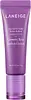
This barrier-repair lip moisturizer is formulated around Butyrospermum Parkii Butter to strengthen the lip barrier and hydrate lips.
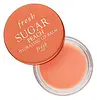
This lip moisturizer is formulated around Bis-Diglyceryl Polyacyladipate-2 and Vitis Vinifera Seed Oil to hydrate lips.


What's inside
What's inside
 Key Ingredients
Benefits
Concerns
Ingredients Side-by-side
Hydrogenated Polyisobutene
EmollientPhytosteryl/Isostearyl/Cetyl/Stearyl/Behenyl Dimer Dilinoleate
Skin Conditioning

Hydrogenated Poly(C6-14 Olefin)
EmollientDiisostearyl Malate
EmollientPolybutene
Phytosteryl Isostearyl Dimer Dilinoleate
EmollientCera Microcristallina
Emulsion StabilisingButyrospermum Parkii Butter
Skin Conditioning




Sucrose Tetrastearate Triacetate
Emollient
Ethylene/Propylene/Styrene Copolymer
Synthetic Wax
Abrasive
Mica
Cosmetic ColorantEuphorbia Cerifera Cera
Astringent
Astrocaryum Murumuru Seed Butter
Emollient
Parfum
Masking


Candelilla Wax Esters
CI 77891
Cosmetic ColorantPolyglyceryl-2 Diisostearate
Emulsifying
Dimethicone
Emollient

Dehydroacetic Acid
Preservative
Butylene/Ethylene/Styrene Copolymer
Methicone
Emollient
Copernicia Cerifera Cera
Emollient
Polyglyceryl-2 Triisostearate
Emulsifying
CI 15850
Cosmetic ColorantPentaerythrityl Tetra-Di-T-Butyl Hydroxyhydrocinnamate
Antioxidant
CI 42090
Cosmetic ColorantPolyhydroxystearic Acid
Emulsifying
BHT
Antioxidant
Hydrogenated Polyisobutene, Phytosteryl/Isostearyl/Cetyl/Stearyl/Behenyl Dimer Dilinoleate, Hydrogenated Poly(C6-14 Olefin), Diisostearyl Malate, Polybutene, Phytosteryl Isostearyl Dimer Dilinoleate, Cera Microcristallina, Butyrospermum Parkii Butter, Sucrose Tetrastearate Triacetate, Ethylene/Propylene/Styrene Copolymer, Synthetic Wax, Mica, Euphorbia Cerifera Cera, Astrocaryum Murumuru Seed Butter, Parfum, Candelilla Wax Esters, CI 77891, Polyglyceryl-2 Diisostearate, Dimethicone, Dehydroacetic Acid, Butylene/Ethylene/Styrene Copolymer, Methicone, Copernicia Cerifera Cera, Polyglyceryl-2 Triisostearate, CI 15850, Pentaerythrityl Tetra-Di-T-Butyl Hydroxyhydrocinnamate, CI 42090, Polyhydroxystearic Acid, BHT
Isononyl Isononanoate
EmollientC10-30 Cholesterol/Lanosterol Esters
Emulsifying
Bis-Diglyceryl Polyacyladipate-2
Emollient
Cera Microcristallina
Emulsion StabilisingPolybutene
Ethylene/Propylene/Styrene Copolymer
Glyceryl Behenate
Emollient
Prunus Armeniaca Kernel Oil
Masking
Butylene/Ethylene/Styrene Copolymer
Parfum
Masking
Ribes Nigrum Seed Oil
Emollient
Vitis Vinifera Seed Oil
Emollient
Mel Extract
MoisturisingSucrose Tetrastearate Triacetate
Emollient
Caramel
Cosmetic ColorantTocopherol
Antioxidant



Ascorbyl Palmitate
Antioxidant
Silica Silylate
Emollient
BHT
Antioxidant
Ammonium Glycyrrhizate
MaskingPolyglyceryl-2 Triisostearate
Emulsifying
Vanillin
Masking
Water
Skin ConditioningCI 77492
Cosmetic ColorantCI 77491
Cosmetic ColorantTrimethylolpropane Triisostearate
Emollient
CI 77499
Cosmetic ColorantPropyl Gallate
Antioxidant
Phenoxyethanol
Preservative
Limonene
Perfuming
Linalool
Perfuming
Citral
Perfuming
Benzyl Alcohol
Perfuming
Isononyl Isononanoate, C10-30 Cholesterol/Lanosterol Esters, Bis-Diglyceryl Polyacyladipate-2, Cera Microcristallina, Polybutene, Ethylene/Propylene/Styrene Copolymer, Glyceryl Behenate, Prunus Armeniaca Kernel Oil, Butylene/Ethylene/Styrene Copolymer, Parfum, Ribes Nigrum Seed Oil, Vitis Vinifera Seed Oil, Mel Extract, Sucrose Tetrastearate Triacetate, Caramel, Tocopherol, Ascorbyl Palmitate, Silica Silylate, BHT, Ammonium Glycyrrhizate, Polyglyceryl-2 Triisostearate, Vanillin, Water, CI 77492, CI 77491, Trimethylolpropane Triisostearate, CI 77499, Propyl Gallate, Phenoxyethanol, Limonene, Linalool, Citral, Benzyl Alcohol
Reviews
Ingredients Explained
These ingredients are found in both products.
Ingredients higher up in an ingredient list are typically present in a larger amount.
BHT is a synthetic antioxidant and preservative.
As an antioxidant, it helps your body fight off free-radicals. Free-radicals are molecules that may damage your skin cells.
As a preservative, it is used to stabilize products and prevent them from degrading. Specifically, BHT prevents degradation from oxidation.
The concerns related to BHT come from oral studies; this ingredient is currently allowed for use by both the FDA and EU.
However, it was recently restricted for use in the UK as of April 2024.
Learn more about BHTThis ingredient is a high-molecular weight synthetic polymer. It is used to modify the viscosity of a formula, improve slip, and create a more "cushiony" texture.
Due to its large molecular size, this ingredient is not absorbed into the skin.
Cera Microcristallina, aka microcrystalline wax, is a petroleum-derived wax that helps thicken texture and stabilize the oils in formulas.
It also has mild occlusive properties that creates a film on skin to slow down water loss.
The CIR Expert Panel has concluded this ingredient to be safe as used in cosmetics.
This ingredient is refined to a cosmetic grade with high purity. It is chemically inert, stable, and doesn't clog pores (petroleum has a comedogenic rating of 0).
Malassezia feeds on fatty acids roughly in the C11-24 range and this ingredient contains none of those. Since there's no plausible food source for it here, this ingredient is fungal acne safe.
Learn more about Cera MicrocristallinaThis is a synthetic polymer used to thicken formulas, improve texture, and enhance spreadability.
Due to its large molecule size, this ingredient does not penetrate the skin and is considered well-tolerated.
Parfum is a catch-all term for an ingredient or more that is used to give a scent to products.
Also called "fragrance", this ingredient can be a blend of hundreds of chemicals or plant oils. This means every product with "fragrance" or "parfum" in the ingredients list is a different mixture.
For instance, Habanolide is a proprietary trade name for a specific aroma chemical. When used as a fragrance ingredient in cosmetics, most aroma chemicals fall under the broad labeling category of “FRAGRANCE” or “PARFUM” according to EU and US regulations.
The term 'parfum' or 'fragrance' is not regulated in many countries. In many cases, it is up to the brand to define this term.
For instance, many brands choose to label themselves as "fragrance-free" because they are not using synthetic fragrances. However, their products may still contain ingredients such as essential oils that are considered a fragrance by INCI standards.
One example is Calendula flower extract. Calendula is an essential oil that still imparts a scent or 'fragrance'.
Depending on the blend, the ingredients in the mixture can cause allergies and sensitivities on the skin. Some ingredients that are known EU allergens include linalool and citronellol.
Parfum can also be used to mask or cover an unpleasant scent.
The bottom line is: not all fragrances/parfum/ingredients are created equally. If you are worried about fragrances, we recommend taking a closer look at an ingredient. And of course, we always recommend speaking with a professional.
Learn more about ParfumPolybutene is used to help control the viscosity of a product. This just means it helps adjusts the texture.
It is a polymer and does not get absorbed into the skin due to its large size.
Studies found this ingredient did not irritate skin in concentrations below 15%.
Learn more about PolybutenePolyglyceryl-2 Triisostearate is a plant-derived emulsifier and pigment-dispersing agent with a non-sticky skin feel.
It helps products glide on smoothly and prevents oil and water from separating in a formula, making it suitable for sunscreen and makeup formulations.
The EU inventory of cosmetics has no use restrictions on this ingredient and it is considered well-tolerated.
This ingredient may not be fungal acne safe because it is derived from isostearic acid.
Learn more about Polyglyceryl-2 TriisostearateSucrose Tetrastearate Triacetate isn't fungal acne safe.


