This anti-aging serum is formulated around Sodium Hyaluronate and Palmitoyl Tetrapeptide-7 to soften the look of wrinkles and hydrate skin.


What's inside
What's inside
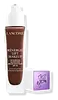 Key Ingredients
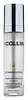
Benefits
Concerns
Ingredients Side-by-side
Propanediol
Solvent

Cetyl PEG/PPG-10/1 Dimethicone
Emulsifying
Pentylene Glycol
Skin Conditioning
Polyglyceryl-4 Isostearate
Emulsifying

Zea Mays Kernel Extract
Glycine Soja Oil
Emollient





Copernicia Cerifera Cera
Emollient
Iris Florentina Root Extract
MaskingCyathea Medullaris Leaf Extract
Skin ConditioningPEG-10 Dimethicone
Skin Conditioning
PEG-30 Glyceryl Stearate
Emulsifying
PEG/PPG-18/18 Dimethicone
Emulsifying
Ceramide NP
Skin Conditioning


Sorbitol
Humectant
Glycerin
Humectant
Glyceryl Caprylate
EmollientDimethicone
Emollient
Caffeine
Skin Conditioning
Lecithin
Emollient
Sodium Levulinate
Skin ConditioningSilica Silylate
Emollient
Cellulose Gum
Emulsion Stabilising2-Oleamido-1,3-Octadecanediol
Skin ConditioningPerlite
Absorbent
Aluminum Hydroxide
EmollientGuanosine
Skin ConditioningMagnesium Sulfate
Cinnamic Acid
Perfuming
Alcohol Denat.
Antimicrobial


Poloxamer 188
EmulsifyingDisodium EDTA
ChelatingDisodium Stearoyl Glutamate
CleansingHydrolyzed Linseed Extract
Skin ConditioningHydroxypalmitoyl Sphinganine
Skin Conditioning
Caprylyl Glycol
Emollient
Pentasodium Ethylenediamine Tetramethylene Phosphonate
ChelatingXanthan Gum
EmulsifyingLevulinic Acid
Perfuming
Polycaprolactone
StabilisingBHT
Antioxidant
Tocopherol
Antioxidant

Pentaerythrityl Tetra-Di-T-Butyl Hydroxyhydrocinnamate
Antioxidant
Sorbic Acid
Preservative
Sodium Benzoate
Masking
Phenoxyethanol
Preservative
CI 77163
Cosmetic Colorant
CI 77491
Cosmetic ColorantCI 77492
Cosmetic ColorantCI 77499
Cosmetic ColorantCI 77891
Cosmetic ColorantMica
Cosmetic ColorantPropanediol, Cetyl PEG/PPG-10/1 Dimethicone, Pentylene Glycol, Polyglyceryl-4 Isostearate, Zea Mays Kernel Extract, Glycine Soja Oil, Copernicia Cerifera Cera, Iris Florentina Root Extract, Cyathea Medullaris Leaf Extract, PEG-10 Dimethicone, PEG-30 Glyceryl Stearate, PEG/PPG-18/18 Dimethicone, Ceramide NP, Sorbitol, Glycerin, Glyceryl Caprylate, Dimethicone, Caffeine, Lecithin, Sodium Levulinate, Silica Silylate, Cellulose Gum, 2-Oleamido-1,3-Octadecanediol, Perlite, Aluminum Hydroxide, Guanosine, Magnesium Sulfate, Cinnamic Acid, Alcohol Denat., Poloxamer 188, Disodium EDTA, Disodium Stearoyl Glutamate, Hydrolyzed Linseed Extract, Hydroxypalmitoyl Sphinganine, Caprylyl Glycol, Pentasodium Ethylenediamine Tetramethylene Phosphonate, Xanthan Gum, Levulinic Acid, Polycaprolactone, BHT, Tocopherol, Pentaerythrityl Tetra-Di-T-Butyl Hydroxyhydrocinnamate, Sorbic Acid, Sodium Benzoate, Phenoxyethanol, CI 77163, CI 77491, CI 77492, CI 77499, CI 77891, Mica
Water
Skin ConditioningSodium Hyaluronate
Humectant
Hydrolyzed Glycosaminoglycans
HumectantHydrolyzed Manihot Esculenta Tuber Extract
Skin ConditioningButylene Glycol
Humectant
Glycerin
Humectant
Glyceryl Acrylate/Acrylic Acid Copolymer
HumectantAcrylic Acid
Laureth-23
Cleansing
Dimethicone
Emollient
Dextran
Trifluoroacetyl Tripeptide-2
Skin Conditioning
Carbomer
Emulsion StabilisingPolysorbate 20
Emulsifying
Palmitoyl Oligopeptide
Cleansing
Palmitoyl Tetrapeptide-7
Skin Conditioning
Propanediol
Solvent
Ornithine
Skin ConditioningPhospholipids
Skin Conditioning
Glycolipids
Skin ConditioningHydrolyzed Soy Flour
Skin ConditioningDimer Tripeptide-43
Sorbitol
Humectant
Yeast Extract
Skin ConditioningPEG-40 Hydrogenated Castor Oil
Emulsifying
Ethylhexylglycerin
Skin ConditioningSodium Polyacrylate
Absorbent
Potassium Sorbate
Preservative
Phenoxyethanol
Preservative
Parfum
Masking
Pentaerythrityl Tetra-Di-T-Butyl Hydroxyhydrocinnamate
Antioxidant
CI 15985
Cosmetic ColorantCI 17200
Cosmetic ColorantWater, Sodium Hyaluronate, Hydrolyzed Glycosaminoglycans, Hydrolyzed Manihot Esculenta Tuber Extract, Butylene Glycol, Glycerin, Glyceryl Acrylate/Acrylic Acid Copolymer, Acrylic Acid, Laureth-23, Dimethicone, Dextran, Trifluoroacetyl Tripeptide-2, Carbomer, Polysorbate 20, Palmitoyl Oligopeptide, Palmitoyl Tetrapeptide-7, Propanediol, Ornithine, Phospholipids, Glycolipids, Hydrolyzed Soy Flour, Dimer Tripeptide-43, Sorbitol, Yeast Extract, PEG-40 Hydrogenated Castor Oil, Ethylhexylglycerin, Sodium Polyacrylate, Potassium Sorbate, Phenoxyethanol, Parfum, Pentaerythrityl Tetra-Di-T-Butyl Hydroxyhydrocinnamate, CI 15985, CI 17200
Ingredients Explained
These ingredients are found in both products.
Ingredients higher up in an ingredient list are typically present in a larger amount.
Dimethicone is a type of synthetic silicone created from natural materials such as quartz. It is also known as polydimethylsiloxane.
What it does:
Dimethicone comes in different viscosities:
Depending on the viscosity, dimethicone has different properties.
Ingredients lists don't always show which type is used, so we recommend reaching out to the brand if you have questions about the viscosity.
This ingredient is unlikely to cause irritation because it does not get absorbed into skin. However, people with silicone allergies should be careful about using this ingredient.
Note: Dimethicone may contribute to pilling. This is because it is not oil or water soluble, so pilling may occur when layered with products. When mixed with heavy oils in a formula, the outcome is also quite greasy.
Learn more about DimethiconeGlycerin (or glycerol) is a compound naturally found in your skin. It's a powerhouse humectant that pulls water into the stratum corneum.
Topically, glycerin does several things at once:
Your skin makes glycerin on its own (mostly from sebaceous oil breakdown) and shuttles it to your outermost layer of skin, or your epidermis, via aquaporin-3.
Aquaporin-3 is a transporter that is essential for normal skin hydration, elasticity, and repair. Interestingly, mice lacking in AQP3 have dry and less elastic skin that can be fully corrected with glycerin.
This ingredient is non-irritating, plays well with almost every ingredient, and works across all skin types. Typical use is anywhere between 3-10% but can go up to 79% in some leave-on products.
Just know very high concentrations (>40%) can feel tacky in low humidity.
Glycerin is the name for this ingredient in American English. British English uses Glycerol/Glycerine.
Learn more about GlycerinPentaerythrityl Tetra-Di-T-Butyl Hydroxyhydrocinnamate (long name, huh?) is a synthetic antioxidant.
It is used to help stabilize other antioxidants or prevent the color from changing in a product.
As an antioxidant, it helps fight free-radical molecules. Free-radical molecules are capable of damaging our cells and other genetic material. Thus, antioxidants may reduce the signs of aging.
This ingredient is oil-soluble.
Learn more about Pentaerythrityl Tetra-Di-T-Butyl HydroxyhydrocinnamatePhenoxyethanol is one of the most widely used preservatives in skincare (and for good reason!).
It has a large spectrum of antimicrobial activity and especially effective bacteria, yeast, and mold while only having a weak effect on your skin's natural microbiome.
On a cellular level, it disrupts the cell membranes of microbes by poking holes that make the cell leak. This shuts down the chemical reactions the microbe needs to make energy so it can no longer survive.
Another perk of this ingredient is that it stays functional across a wide pH range (3-10).
You'll often see it paired with boosters like Ethylhexylglycerin; one study showed that a 1:9 ratio of Ethylhexylglycerin to Phenoxyethanol damages bacterial membranes as effectively as doubling the Phenoxyethanol concentration on its own.
Typical use concentrations range from 0.3-1% depending on the formula, and this ingredient is capped at 1% int the EU.
Safety-wise, the fear mongering does not hold up to the evidence. The EU's Scientific Committee on Consumer Safety and FDA consider it safe as a preservative at up to 1%, including for children of all ages.
Adverse systemic effects only showed up in animal studies at exposures roughly 200x higher than what people get from cosmetics. And despite its very widespread use, this ingredient is a rare sensitizer and allergic reactions are uncommon.
Learn more about PhenoxyethanolPropanediol is an all-star ingredient. It softens, hydrates, and smooths the skin.
It’s often used to:
Propanediol is not likely to cause sensitivity and considered safe to use. It is derived from corn or petroleum with a clear color and no scent.
Learn more about PropanediolSorbitol is a sugar alcohol. It is a hydrating and moisturizing agent created from the reduction process of glucose.
Most sorbitol is usually made from potato starch. It is also found in fruits such as apples and pears.
As a humectant, Sorbitol helps draw water to the skin. This helps keep the skin hydrated. Sorbitol also helps create a thicker texture in products. You might find sorbitol in your toothpaste and other gels.
It is a non-irritating ingredient that is great for those with dry skin.
Sorbitol is a prebiotic. It helps promote the growth of healthy bacteria on your skin. The bacteria on your skin form a microbiome. This microbiome helps protect your skin from infection and harmful bacteria.
Learn more about Sorbitol

