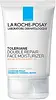
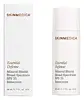
La Roche-Posay Toleriane Double Repair Face Moisturizer UV SPF 30 Versus SkinMedica Essential Defense Mineral Shield SPF 35
This chemical sunscreen covers most of the UV range, lighter on the deep UVA that drives aging.
This mineral sunscreen covers the full UV range and blocks ~97% of UVB at SPF 35.


What's inside
What's inside
 Key Ingredients
Benefits
Concerns
Ingredients Side-by-side
Butyl Methoxydibenzoylmethane 3%
UV Absorber
Homosalate 5%
Skin Conditioning
Ethylhexyl Salicylate 5%
UV Absorber
Octocrylene 7%
UV Absorber

Water
Skin ConditioningGlycerin
Humectant


Silica
Abrasive


Dimethicone
Emollient
Niacinamide
Smoothing







PEG-100 Stearate
Surfactant

Glyceryl Stearate
Emollient
Stearic Acid
Cleansing
Stearyl Alcohol
Emollient
Allantoin
Skin Conditioning
Ceramide NP
Skin Conditioning
Dimethicone/Vinyl Dimethicone Crosspolymer
Skin Conditioning
Sodium Hydroxide
BufferingMyristic Acid
Cleansing
Myristyl Alcohol
Emollient
Palmitic Acid
Emollient
Ammonium Polyacryloyldimethyl Taurate
Emulsion StabilisingDisodium EDTA
ChelatingCapryloyl Glycine
CleansingCaprylyl Glycol
Emollient
Citric Acid
Buffering
Xanthan Gum
EmulsifyingT-Butyl Alcohol
Perfuming



Cetyl Alcohol
Emollient
Tocopherol
Antioxidant

Butyl Methoxydibenzoylmethane 3%, Homosalate 5%, Ethylhexyl Salicylate 5%, Octocrylene 7%, Water, Glycerin, Silica, Dimethicone, Niacinamide, PEG-100 Stearate, Glyceryl Stearate, Stearic Acid, Stearyl Alcohol, Allantoin, Ceramide NP, Dimethicone/Vinyl Dimethicone Crosspolymer, Sodium Hydroxide, Myristic Acid, Myristyl Alcohol, Palmitic Acid, Ammonium Polyacryloyldimethyl Taurate, Disodium EDTA, Capryloyl Glycine, Caprylyl Glycol, Citric Acid, Xanthan Gum, T-Butyl Alcohol, Cetyl Alcohol, Tocopherol
Titanium Dioxide 5%
Cosmetic Colorant
Zinc Oxide 6%
Cosmetic Colorant
Water
Skin ConditioningCyclopentasiloxane
Emollient
Dimethicone
Emollient
Polyglyceryl-3 Polydimethylsiloxyethyl Dimethicone
Skin Conditioning
Butylene Glycol
Humectant
Aluminum Hydroxide
EmollientDimethicone/PEG-10/15 Crosspolymer
PEG-9 Polydimethylsiloxyethyl Dimethicone
Emulsifying
Sodium Chloride
MaskingCaffeine
Skin Conditioning
Camellia Oleifera Leaf Extract
AstringentSodium Citrate
BufferingDimethicone/Vinyl Dimethicone Crosspolymer
Skin Conditioning
Triethoxysilylethyl Polydimethylsiloxyethyl Hexyl Dimethicone
Skin Conditioning
Stearic Acid
Cleansing
Ethylhexylglycerin
Skin ConditioningPhenoxyethanol
Preservative
Titanium Dioxide 5%, Zinc Oxide 6%, Water, Cyclopentasiloxane, Dimethicone, Polyglyceryl-3 Polydimethylsiloxyethyl Dimethicone, Butylene Glycol, Aluminum Hydroxide, Dimethicone/PEG-10/15 Crosspolymer, PEG-9 Polydimethylsiloxyethyl Dimethicone, Sodium Chloride, Caffeine, Camellia Oleifera Leaf Extract, Sodium Citrate, Dimethicone/Vinyl Dimethicone Crosspolymer, Triethoxysilylethyl Polydimethylsiloxyethyl Hexyl Dimethicone, Stearic Acid, Ethylhexylglycerin, Phenoxyethanol
Reviews
Ingredients Explained
These ingredients are found in both products.
Ingredients higher up in an ingredient list are typically present in a larger amount.
Dimethicone is a type of synthetic silicone created from natural materials such as quartz. It is also known as polydimethylsiloxane.
What it does:
Dimethicone comes in different viscosities:
Depending on the viscosity, dimethicone has different properties.
Ingredients lists don't always show which type is used, so we recommend reaching out to the brand if you have questions about the viscosity.
This ingredient is unlikely to cause irritation because it does not get absorbed into skin. However, people with silicone allergies should be careful about using this ingredient.
Note: Dimethicone may contribute to pilling. This is because it is not oil or water soluble, so pilling may occur when layered with products. When mixed with heavy oils in a formula, the outcome is also quite greasy.
Learn more about DimethiconeThis ingredient is a silicone elastomer that works as a texture enhancer, adds a silky slip, and also helps absorb excess oil.
Because it's a large macromolecule that's insoluble in water and chemically inert, it's not expected to penetrate or be absorbed into skin.
Human patch tests with a facial lotion containing 1% of this ingredient found no sensitization.
Learn more about Dimethicone/Vinyl Dimethicone CrosspolymerStearic Acid is a fatty acid that is already found in your skin. It's one of the free fatty acids that works alongside ceramides and cholesterols to maintain your barrier.
In cosmetics, it is a multitasker:
Safety-wise, the CIR Expert Panel has concluded it to be safe in cosmetics when formulated to be non-irritating and non-sensitizing.
Free stearic acid is a C18 fatty acid that the Malassezia yeast can substrate, so this ingredient may not be fungal acne safe.
Learn more about Stearic AcidWater. It's the most common cosmetic ingredient of all. You'll usually see it at the top of ingredient lists, meaning that it makes up the largest part of the product.
So why is it so popular? Water most often acts as a solvent - this means that it helps dissolve other ingredients into the formulation.
You'll also recognize water as that liquid we all need to stay alive. If you see this, drink a glass of water. Remember to stay hydrated!
Learn more about Water

