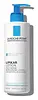
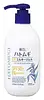
La Roche-Posay Lipikar Daily Repair Moisturizing Lotion Versus KUMANO COSME Hatomugi UV Care & Moisturizing The UV Milky Gel SPF 50+ PA++++
This chemical sunscreen covers most of the UV range, lighter on the deep UVA that drives aging.


What's inside
What's inside
 Key Ingredients
Benefits
Concerns
Ingredients Side-by-side
Water
Skin ConditioningButyrospermum Parkii Butter
Skin Conditioning






Glycerin
Humectant
Sorbitan Stearate
Emulsifying
Paraffinum Liquidum
Emollient

Niacinamide
Smoothing









Vitis Vinifera Seed Oil
Emollient
Aluminum Starch Octenylsuccinate
Absorbent
Dimethicone
Emollient
Beeswax
Emulsion Stabilising
Sorbitan Tristearate
EmulsifyingCarbomer
Emulsion StabilisingSodium Hydroxide
BufferingPoloxamer 338
EmulsifyingAmmonium Polyacryloyldimethyl Taurate
Emulsion StabilisingDisodium EDTA
Sucrose Cocoate
Emulsifying

Caprylyl Glycol
Emollient
Citric Acid
Buffering
T-Butyl Alcohol
Perfuming


Cetyl Palmitate
Emollient
BHT
Antioxidant
Pentaerythrityl Tetra-Di-T-Butyl Hydroxyhydrocinnamate
Antioxidant
Chlorhexidine Digluconate
Antimicrobial
Water, Butyrospermum Parkii Butter, Glycerin, Sorbitan Stearate, Paraffinum Liquidum, Niacinamide, Vitis Vinifera Seed Oil, Aluminum Starch Octenylsuccinate, Dimethicone, Beeswax, Sorbitan Tristearate, Carbomer, Sodium Hydroxide, Poloxamer 338, Ammonium Polyacryloyldimethyl Taurate, Disodium EDTA, Sucrose Cocoate, Caprylyl Glycol, Citric Acid, T-Butyl Alcohol, Cetyl Palmitate, BHT, Pentaerythrityl Tetra-Di-T-Butyl Hydroxyhydrocinnamate, Chlorhexidine Digluconate
Water
Skin ConditioningEthylhexyl Methoxycinnamate 9.5%
UV Absorber

Alcohol
Antimicrobial
Butyl Methoxydibenzoylmethane 1%
UV Absorber
Octocrylene 1%
UV Absorber
Steareth-6
EmulsifyingDimethicone
Emollient
Butylene Glycol
Humectant
Carbomer
Emulsion StabilisingCoix Lacryma-Jobi Ma-Yuen Seed Extract
Skin ConditioningRosmarinus Officinalis Leaf Extract
AntimicrobialPrunus Persica Leaf Extract
Emollient
Aloe Barbadensis Leaf Extract
Emollient
Citrus Junos Peel Oil
Astringent
Cocos Nucifera Oil
Masking
Sodium Hyaluronate
Humectant
Ceramide Ng
Skin Conditioning
Xanthan Gum
EmulsifyingTetrasodium EDTA
Sodium Hydroxide 0.1%
BufferingBHT
Antioxidant
Methylparaben 0.2%
Preservative
Ethylparaben 0.01%
Preservative
Phenoxyethanol 0.9%
Preservative
Water, Ethylhexyl Methoxycinnamate 9.5%, Alcohol, Butyl Methoxydibenzoylmethane 1%, Octocrylene 1%, Steareth-6, Dimethicone, Butylene Glycol, Carbomer, Coix Lacryma-Jobi Ma-Yuen Seed Extract, Rosmarinus Officinalis Leaf Extract, Prunus Persica Leaf Extract, Aloe Barbadensis Leaf Extract, Citrus Junos Peel Oil, Cocos Nucifera Oil, Sodium Hyaluronate, Ceramide Ng, Xanthan Gum, Tetrasodium EDTA, Sodium Hydroxide 0.1%, BHT, Methylparaben 0.2%, Ethylparaben 0.01%, Phenoxyethanol 0.9%
Reviews
Ingredients Explained
These ingredients are found in both products.
Ingredients higher up in an ingredient list are typically present in a larger amount.
BHT is a synthetic antioxidant and preservative.
As an antioxidant, it helps your body fight off free-radicals. Free-radicals are molecules that may damage your skin cells.
As a preservative, it is used to stabilize products and prevent them from degrading. Specifically, BHT prevents degradation from oxidation.
The concerns related to BHT come from oral studies; this ingredient is currently allowed for use by both the FDA and EU.
However, it was recently restricted for use in the UK as of April 2024.
Learn more about BHTCarbomer is a synthetic thickening and gelling agent. It's basically the ingredient that gives a lot of serums, gels, creams, and sunscreens their smooth, non-sticky texture.
Although legally permitted at very high levels, carbomers are normally used at concentrations below 1%.
It also needs to be neutralized to actually thicken, and because it is a large molecule, it doesn't really penetrate the skin barrier.
Allergy-wise, the risk is very low. Clinical studies show carbomers have low potential for skin irritation/sensitization even at concentrations up to 100%.
A 2024 UK study patch-tested 1,302 patients and found true allergy to the parent group of carbomer to be rare with no confirmed relevant reactions.
Learn more about CarbomerDimethicone is a type of synthetic silicone created from natural materials such as quartz. It is also known as polydimethylsiloxane.
What it does:
Dimethicone comes in different viscosities:
Depending on the viscosity, dimethicone has different properties.
Ingredients lists don't always show which type is used, so we recommend reaching out to the brand if you have questions about the viscosity.
This ingredient is unlikely to cause irritation because it does not get absorbed into skin. However, people with silicone allergies should be careful about using this ingredient.
Note: Dimethicone may contribute to pilling. This is because it is not oil or water soluble, so pilling may occur when layered with products. When mixed with heavy oils in a formula, the outcome is also quite greasy.
Learn more about DimethiconeSodium Hydroxide is also known as lye or caustic soda. It is used to adjust the pH of products; many ingredients require a specific pH to be effective.
In small amounts, sodium hydroxide is considered safe to use. However, large amounts may cause chemical burns due to its high alkaline.
Your skin has a natural pH and acid mantle. This acid mantle helps prevent harmful bacteria from breaking through. The acid mantle also helps keep your skin hydrated.
"Alkaline" refers to a high pH level. A low pH level would be considered acidic.
Learn more about Sodium HydroxideWater. It's the most common cosmetic ingredient of all. You'll usually see it at the top of ingredient lists, meaning that it makes up the largest part of the product.
So why is it so popular? Water most often acts as a solvent - this means that it helps dissolve other ingredients into the formulation.
You'll also recognize water as that liquid we all need to stay alive. If you see this, drink a glass of water. Remember to stay hydrated!
Learn more about Water

