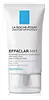
La Roche-Posay Effaclar Mat Daily Face Moisturizer For Oily Skin Versus TONYMOLY Tako Pore Sebum Control Gel Cream
This oil-control moisturizer is formulated around Sarcosine and Capryloyl Salicylic Acid to balance excess oil and refine the look of pores.


What's inside
What's inside
 Key Ingredients
Benefits
Concerns
Ingredients Side-by-side
Water
Skin ConditioningGlycerin
Humectant


Dimethicone
Emollient
Isocetyl Stearate
Emollient




Alcohol Denat.
Antimicrobial


Silica
Abrasive


Dimethicone Crosspolymer
Emulsion Stabilising
Acrylamide
Sodium Acryloyldimethyltaurate Crosspolymer
Emulsion StabilisingVp/Va Copolymer
Methyl Methacrylate
Methyl Methacrylate Crosspolymer
Butylene Glycol
Humectant
PEG-100 Stearate
Surfactant
Cocamide Mea
Emulsifying
Sarcosine
Skin Conditioning
Glyceryl Stearate
Emollient
Triethanolamine
BufferingIsohexadecane
EmollientPerlite
Absorbent
Capryloyl Salicylic Acid
Exfoliating

Tetrasodium EDTA
ChelatingPentylene Glycol
Skin Conditioning
Polysorbate 80
Emulsifying
Acrylates/C10-30 Alkyl Acrylate Crosspolymer
Emulsion StabilisingSalicylic Acid
Masking



Parfum
Masking

Water, Glycerin, Dimethicone, Isocetyl Stearate, Alcohol Denat., Silica, Dimethicone Crosspolymer, Acrylamide, Sodium Acryloyldimethyltaurate Crosspolymer, Vp/Va Copolymer, Methyl Methacrylate, Methyl Methacrylate Crosspolymer, Butylene Glycol, PEG-100 Stearate, Cocamide Mea, Sarcosine, Glyceryl Stearate, Triethanolamine, Isohexadecane, Perlite, Capryloyl Salicylic Acid, Tetrasodium EDTA, Pentylene Glycol, Polysorbate 80, Acrylates/C10-30 Alkyl Acrylate Crosspolymer, Salicylic Acid, Parfum
Water
Skin ConditioningButylene Glycol
Humectant
Cyclopentasiloxane
Emollient
Glycerin
Humectant
Dimethicone/Vinyl Dimethicone Crosspolymer
Skin Conditioning
Dimethicone
Emollient
Silica
Abrasive
Sodium Acrylate/Sodium Acryloyldimethyl Taurate Copolymer
Emulsion Stabilising1,2-Hexanediol
Skin Conditioning
Isohexadecane
EmollientCarbomer
Emulsion StabilisingTromethamine
BufferingCaprylyl Glycol
Emollient
Phenyl Trimethicone
Skin Conditioning
Polysorbate 80
Emulsifying
Sorbitan Oleate
Emulsifying
Ethylhexylglycerin
Skin ConditioningParfum
Masking
Disodium EDTA
ChelatingSea Water
HumectantAcacia Senegal Gum
MaskingChlorphenesin
Antimicrobial
Coral Powder
Abrasive
Sea Salt
Abrasive
Hydroxypropyl Methylcellulose
Emulsion StabilisingCitric Acid
Buffering
Peat Water
Skin ConditioningTaurine
BufferingPhenoxyethanol
Preservative
Acanthopanax Senticosus Root Extract
Skin ConditioningChlorella Vulgaris/Lupinus Albus Protein Ferment
Skin ConditioningPotassium Sorbate
Preservative
Water, Butylene Glycol, Cyclopentasiloxane, Glycerin, Dimethicone/Vinyl Dimethicone Crosspolymer, Dimethicone, Silica, Sodium Acrylate/Sodium Acryloyldimethyl Taurate Copolymer, 1,2-Hexanediol, Isohexadecane, Carbomer, Tromethamine, Caprylyl Glycol, Phenyl Trimethicone, Polysorbate 80, Sorbitan Oleate, Ethylhexylglycerin, Parfum, Disodium EDTA, Sea Water, Acacia Senegal Gum, Chlorphenesin, Coral Powder, Sea Salt, Hydroxypropyl Methylcellulose, Citric Acid, Peat Water, Taurine, Phenoxyethanol, Acanthopanax Senticosus Root Extract, Chlorella Vulgaris/Lupinus Albus Protein Ferment, Potassium Sorbate
Reviews
Ingredients Explained
These ingredients are found in both products.
Ingredients higher up in an ingredient list are typically present in a larger amount.
Butylene Glycol (or BG) is used within cosmetic products for a few different reasons:
Overall, Butylene Glycol is a safe and well-rounded ingredient that works well with other ingredients.
Though this ingredient works well with most skin types, some people with sensitive skin may experience a reaction such as allergic rashes, closed comedones, or itchiness.
Learn more about Butylene GlycolDimethicone is a type of synthetic silicone created from natural materials such as quartz. It is also known as polydimethylsiloxane.
What it does:
Dimethicone comes in different viscosities:
Depending on the viscosity, dimethicone has different properties.
Ingredients lists don't always show which type is used, so we recommend reaching out to the brand if you have questions about the viscosity.
This ingredient is unlikely to cause irritation because it does not get absorbed into skin. However, people with silicone allergies should be careful about using this ingredient.
Note: Dimethicone may contribute to pilling. This is because it is not oil or water soluble, so pilling may occur when layered with products. When mixed with heavy oils in a formula, the outcome is also quite greasy.
Learn more about DimethiconeGlycerin (or glycerol) is a compound naturally found in your skin. It's a powerhouse humectant that pulls water into the stratum corneum.
Topically, glycerin does several things at once:
Your skin makes glycerin on its own (mostly from sebaceous oil breakdown) and shuttles it to your outermost layer of skin, or your epidermis, via aquaporin-3.
Aquaporin-3 is a transporter that is essential for normal skin hydration, elasticity, and repair. Interestingly, mice lacking in AQP3 have dry and less elastic skin that can be fully corrected with glycerin.
This ingredient is non-irritating, plays well with almost every ingredient, and works across all skin types. Typical use is anywhere between 3-10% but can go up to 79% in some leave-on products.
Just know very high concentrations (>40%) can feel tacky in low humidity.
Glycerin is the name for this ingredient in American English. British English uses Glycerol/Glycerine.
Learn more about GlycerinIsohexadecane is added to enhance texture, emulsify, and to help cleanse. It is an isoparrafin. It is a component of petrolatum.
Due to its large size, Isohexadecane is not absorbed by the skin. Instead, it sits on top and acts as an emollient. Emollients help keep your skin soft and smooth by trapping moisture within.
Isohexadecane is often used in products designed to help oily skin. It is lightweight and non-greasy while helping to moisturize. When mixed with silicones, it gives a product a silky feel.
Learn more about IsohexadecaneParfum is a catch-all term for an ingredient or more that is used to give a scent to products.
Also called "fragrance", this ingredient can be a blend of hundreds of chemicals or plant oils. This means every product with "fragrance" or "parfum" in the ingredients list is a different mixture.
For instance, Habanolide is a proprietary trade name for a specific aroma chemical. When used as a fragrance ingredient in cosmetics, most aroma chemicals fall under the broad labeling category of “FRAGRANCE” or “PARFUM” according to EU and US regulations.
The term 'parfum' or 'fragrance' is not regulated in many countries. In many cases, it is up to the brand to define this term.
For instance, many brands choose to label themselves as "fragrance-free" because they are not using synthetic fragrances. However, their products may still contain ingredients such as essential oils that are considered a fragrance by INCI standards.
One example is Calendula flower extract. Calendula is an essential oil that still imparts a scent or 'fragrance'.
Depending on the blend, the ingredients in the mixture can cause allergies and sensitivities on the skin. Some ingredients that are known EU allergens include linalool and citronellol.
Parfum can also be used to mask or cover an unpleasant scent.
The bottom line is: not all fragrances/parfum/ingredients are created equally. If you are worried about fragrances, we recommend taking a closer look at an ingredient. And of course, we always recommend speaking with a professional.
Learn more about ParfumPolysorbate 80 is a synthetic surfactant and emulsifier derived from sorbitol and oleic acid.
It reduces the surface tension between oil and water phases to help them stay mixed and stable in a formulation. In other words, it prevents your formulas from separating into an oily mess.
The CIR Expert Panel has evaluated the scientific data and found this ingredient to be safe, non-irritating, and non-sensitizing at concentrations up to 5% (it's even approved by the FDA as an OTC eye drop ingredient).
Learn more about Polysorbate 80Silica, also known as silicon dioxide, is a naturally occurring mineral. It is used as a fine, spherical, and porous powder in cosmetics.
Though it has exfoliant properties, the function of silica varies depending on the product.
The unique structure of silica enhances the spreadability and adds smoothness, making it a great texture enhancer.
It is also used as an active carrier, emulsifier, and mattifier due to its ability to absorb excess oil.
In some products, tiny microneedles called spicules are made from silica or hydrolyzed sponge. When you rub them in, they lightly polish away dead skin layers and enhance the penetration of active ingredients.
Learn more about SilicaWater. It's the most common cosmetic ingredient of all. You'll usually see it at the top of ingredient lists, meaning that it makes up the largest part of the product.
So why is it so popular? Water most often acts as a solvent - this means that it helps dissolve other ingredients into the formulation.
You'll also recognize water as that liquid we all need to stay alive. If you see this, drink a glass of water. Remember to stay hydrated!
Learn more about Water

