
What's inside
What's inside
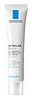 Key Ingredients
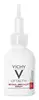
Benefits
Concerns
Ingredients Side-by-side
Water
Skin ConditioningGlycerin
Humectant


Dimethicone
Emollient
Isocetyl Stearate
Emollient


Niacinamide
Smoothing









Isopropyl Lauroyl Sarcosinate
Skin ConditioningSilica
Abrasive
Ammonium Polyacryloyldimethyl Taurate
Emulsion StabilisingMethyl Methacrylate Crosspolymer
Potassium Cetyl Phosphate
EmulsifyingSorbitan Oleate
Emulsifying
Zinc PCA
Humectant
Glyceryl Stearate Se
Emulsifying
Isohexadecane
EmollientSodium Hydroxide
BufferingMyristyl Myristate
Emollient
2-Oleamido-1,3-Octadecanediol
Skin ConditioningAluminum Starch Octenylsuccinate
Absorbent
Mannose
HumectantPoloxamer 338
EmulsifyingDisodium EDTA
Capryloyl Salicylic Acid
Exfoliating
Caprylyl Glycol
Emollient
Vitreoscilla Ferment
Skin Conditioning
Xanthan Gum
EmulsifyingPolysorbate 80
Emulsifying
Acrylamide/Sodium Acryloyldimethyltaurate Copolymer
Emulsion StabilisingSalicylic Acid
Masking




Piroctone Olamine
Preservative
Parfum
Masking

Water, Glycerin, Dimethicone, Isocetyl Stearate, Niacinamide, Isopropyl Lauroyl Sarcosinate, Silica, Ammonium Polyacryloyldimethyl Taurate, Methyl Methacrylate Crosspolymer, Potassium Cetyl Phosphate, Sorbitan Oleate, Zinc PCA, Glyceryl Stearate Se, Isohexadecane, Sodium Hydroxide, Myristyl Myristate, 2-Oleamido-1,3-Octadecanediol, Aluminum Starch Octenylsuccinate, Mannose, Poloxamer 338, Disodium EDTA, Capryloyl Salicylic Acid, Caprylyl Glycol, Vitreoscilla Ferment, Xanthan Gum, Polysorbate 80, Acrylamide/Sodium Acryloyldimethyltaurate Copolymer, Salicylic Acid, Piroctone Olamine, Parfum
Water
Skin ConditioningGlycerin
Humectant
Pentylene Glycol
Skin Conditioning
Isononyl Isononanoate
EmollientAlcohol Denat.
Antimicrobial

Dicaprylyl Ether
Emollient
Glycine Soja Oil
Emollient
Propylene Glycol
Humectant
PEG-6 Caprylic/Capric Glycerides
EmulsifyingHydrolyzed Rice Protein
Skin ConditioningHydroxyacetophenone
Antioxidant
Palmitoyl Tetrapeptide-7
Skin Conditioning
Palmitoyl Tripeptide-1
Skin Conditioning
Pentaerythrityl Tetra-Di-T-Butyl Hydroxyhydrocinnamate
Antioxidant
Sodium Hyaluronate
Humectant
Sodium Hydroxide
BufferingTrisodium Ethylenediamine Disuccinate
Vitreoscilla Ferment
Skin Conditioning
Retinol
Skin Conditioning
Dicaprylyl Carbonate
EmollientAmmonium Polyacryloyldimethyl Taurate
Emulsion StabilisingButylene Glycol
Humectant
Caprylyl Glycol
Emollient
Carbomer
Emulsion StabilisingGlyceryl Isostearate
Emollient
Polysorbate 20
Emulsifying
PPG-6-Decyltetradeceth-30
EmulsifyingSodium Lactate
Buffering
Tocopherol
Antioxidant
Xanthan Gum
EmulsifyingWater, Glycerin, Pentylene Glycol, Isononyl Isononanoate, Alcohol Denat., Dicaprylyl Ether, Glycine Soja Oil, Propylene Glycol, PEG-6 Caprylic/Capric Glycerides, Hydrolyzed Rice Protein, Hydroxyacetophenone, Palmitoyl Tetrapeptide-7, Palmitoyl Tripeptide-1, Pentaerythrityl Tetra-Di-T-Butyl Hydroxyhydrocinnamate, Sodium Hyaluronate, Sodium Hydroxide, Trisodium Ethylenediamine Disuccinate, Vitreoscilla Ferment, Retinol, Dicaprylyl Carbonate, Ammonium Polyacryloyldimethyl Taurate, Butylene Glycol, Caprylyl Glycol, Carbomer, Glyceryl Isostearate, Polysorbate 20, PPG-6-Decyltetradeceth-30, Sodium Lactate, Tocopherol, Xanthan Gum
Reviews
Ingredients Explained
These ingredients are found in both products.
Ingredients higher up in an ingredient list are typically present in a larger amount.
Ammonium Polyacryloyldimethyl Taurate is a polymer made from ammonium salts. It works as a thickener, emulsifier, and texture enhancer that gives gel-creams a silky, lightweight feel.
This ingredient is versatile and low-maintenance so manufacturers love working with it.
Typical usage levels in cosmetics are usually low and in the range of 0.015 - 2.3%.
Learn more about Ammonium Polyacryloyldimethyl TaurateCaprylyl Glycol is a humectant, skin conditioner, emollient, and preservative booster derived from either caprylic acid or synthetically created.
Typical use levels vary from 0.3-1% as a preservative booster and go up to 2% to condition skin.
Because it is not a free-fatty acid or alcohol, this ingredient is fungal acne safe (there's nothing for Malassezia to feed on).
Learn more about Caprylyl GlycolGlycerin (or glycerol) is a compound naturally found in your skin. It's a powerhouse humectant that pulls water into the stratum corneum.
Topically, glycerin does several things at once:
Your skin makes glycerin on its own (mostly from sebaceous oil breakdown) and shuttles it to your outermost layer of skin, or your epidermis, via aquaporin-3.
Aquaporin-3 is a transporter that is essential for normal skin hydration, elasticity, and repair. Interestingly, mice lacking in AQP3 have dry and less elastic skin that can be fully corrected with glycerin.
This ingredient is non-irritating, plays well with almost every ingredient, and works across all skin types. Typical use is anywhere between 3-10% but can go up to 79% in some leave-on products.
Just know very high concentrations (>40%) can feel tacky in low humidity.
Glycerin is the name for this ingredient in American English. British English uses Glycerol/Glycerine.
Learn more about GlycerinSodium Hydroxide is also known as lye or caustic soda. It is used to adjust the pH of products; many ingredients require a specific pH to be effective.
In small amounts, sodium hydroxide is considered safe to use. However, large amounts may cause chemical burns due to its high alkaline.
Your skin has a natural pH and acid mantle. This acid mantle helps prevent harmful bacteria from breaking through. The acid mantle also helps keep your skin hydrated.
"Alkaline" refers to a high pH level. A low pH level would be considered acidic.
Learn more about Sodium HydroxideVitreoscilla Ferment is a probiotic derived from the Vitreoscilla bacteria.
Studies show Vitreoscilla Ferment to have the same benefits as ingesting probiotics. Probiotics help keep the bacteria in your body healthy.
In general, maintaining a healthy microbiome on your skin has many benefits. One benefit is protection against external and bad bacteria. A healthy microbiome also helps maintain skin hydration and reduce inflammation.
Probiotics work best when combined with prebiotics.
Learn more about Vitreoscilla FermentWater. It's the most common cosmetic ingredient of all. You'll usually see it at the top of ingredient lists, meaning that it makes up the largest part of the product.
So why is it so popular? Water most often acts as a solvent - this means that it helps dissolve other ingredients into the formulation.
You'll also recognize water as that liquid we all need to stay alive. If you see this, drink a glass of water. Remember to stay hydrated!
Learn more about WaterXanthan gum is used as a stabilizer and thickener within cosmetic products. It helps give products a sticky, thick feeling - preventing them from being too runny.
On the technical side of things, xanthan gum is a polysaccharide - a combination consisting of multiple sugar molecules bonded together.
Xanthan gum is a pretty common and great ingredient. It is a natural, non-toxic, non-irritating ingredient that is also commonly used in food products.
Learn more about Xanthan Gum
