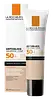
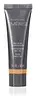
La Roche-Posay Anthelios Mineral One SPF 50+ Tinted Sunscreen Versus Mary Kay Timewise 3D Matte Foundation
This hybrid sunscreen covers the full UV range and blocks ~98% of UVB at SPF 50.


What's inside
What's inside
 Key Ingredients
Benefits
Concerns
Ingredients Side-by-side
Titanium Dioxide 13.6%
Cosmetic Colorant

Water
Skin ConditioningDiisopropyl Sebacate
EmollientGlycerin
Humectant


Alcohol Denat.
Antimicrobial




Isopropyl Palmitate
Emollient


Caprylic/Capric Triglyceride
Masking
Propanediol
Solvent
Ethylhexyl Methoxycrylene
Skin Conditioning
Diethylhexyl Syringylidenemalonate
Skin Protecting
Polyglyceryl-6 Polyricinoleate
Emulsifying
Isocetyl Stearate
Emollient
CI 77891
Cosmetic ColorantAluminum Hydroxide
EmollientStearic Acid
Cleansing
Tocopherol
Antioxidant





Polyhydroxystearic Acid
Emulsifying
Caprylyl Glycol
Emollient
Aluminum Stearate
Cosmetic ColorantStearalkonium Hectorite
Gel FormingAlumina
Abrasive
Parfum
Masking

Xanthan Gum
EmulsifyingSclerotium Gum
Emulsion StabilisingLecithin
Emollient
Pullulan
Sodium Lauroyl Glutamate
SurfactantLysine
Skin ConditioningSodium Hyaluronate
Humectant
Magnesium Chloride
Silica
Abrasive

Citric Acid
Buffering
CI 77491
Cosmetic ColorantCI 77492
Cosmetic ColorantCI 77499
Cosmetic ColorantTitanium Dioxide 13.6%, Water, Diisopropyl Sebacate, Glycerin, Alcohol Denat., Isopropyl Palmitate, Caprylic/Capric Triglyceride, Propanediol, Ethylhexyl Methoxycrylene, Diethylhexyl Syringylidenemalonate, Polyglyceryl-6 Polyricinoleate, Isocetyl Stearate, CI 77891, Aluminum Hydroxide, Stearic Acid, Tocopherol, Polyhydroxystearic Acid, Caprylyl Glycol, Aluminum Stearate, Stearalkonium Hectorite, Alumina, Parfum, Xanthan Gum, Sclerotium Gum, Lecithin, Pullulan, Sodium Lauroyl Glutamate, Lysine, Sodium Hyaluronate, Magnesium Chloride, Silica, Citric Acid, CI 77491, CI 77492, CI 77499
Water
Skin ConditioningCyclopentasiloxane
Emollient
Butylene Glycol
Humectant
PEG-9 Dimethicone
Skin Conditioning
Trimethylsiloxysilicate
Emollient
Lauryl Methacrylate/Glycol Dimethacrylate Crosspolymer
PEG/PPG-20/15 Dimethicone
Emulsifying
Magnesium Sulfate
Niacinamide
Smoothing



Polymethylsilsesquioxane
Resveratrol
Antioxidant
Oligopeptide-1
Skin Conditioning
Glycerin
Humectant
Dimethicone
Emollient
Tocopheryl Acetate
Antioxidant
Silica
Abrasive
Propylene Glycol
Humectant
Nylon-12
Acrylates/Dimethicone Copolymer
Skin Conditioning
Cyclohexasiloxane
Emollient
Aluminum Hydroxide
EmollientDimethicone/Vinyl Dimethicone Crosspolymer
Skin Conditioning
Xanthan Gum
EmulsifyingDisodium Stearoyl Glutamate
CleansingPolymethyl Methacrylate
Triethanolamine
BufferingTricaprylin
Perfuming
Disodium EDTA
ChelatingMethylparaben
Preservative

Propylparaben
Preservative
Diazolidinyl Urea
Preservative
CI 77891
Cosmetic ColorantCI 77491
Cosmetic ColorantCI 77492
Cosmetic ColorantCI 77499
Cosmetic ColorantWater, Cyclopentasiloxane, Butylene Glycol, PEG-9 Dimethicone, Trimethylsiloxysilicate, Lauryl Methacrylate/Glycol Dimethacrylate Crosspolymer, PEG/PPG-20/15 Dimethicone, Magnesium Sulfate, Niacinamide, Polymethylsilsesquioxane, Resveratrol, Oligopeptide-1, Glycerin, Dimethicone, Tocopheryl Acetate, Silica, Propylene Glycol, Nylon-12, Acrylates/Dimethicone Copolymer, Cyclohexasiloxane, Aluminum Hydroxide, Dimethicone/Vinyl Dimethicone Crosspolymer, Xanthan Gum, Disodium Stearoyl Glutamate, Polymethyl Methacrylate, Triethanolamine, Tricaprylin, Disodium EDTA, Methylparaben, Propylparaben, Diazolidinyl Urea, CI 77891, CI 77491, CI 77492, CI 77499
Reviews
Ingredients Explained
These ingredients are found in both products.
Ingredients higher up in an ingredient list are typically present in a larger amount.
Aluminum Hydroxide is a form of aluminum. It can be naturally found in nature as the mineral gibbsite. In cosmetics, Aluminum Hydroxide is used as a colorant, pH adjuster, and absorbent.
As a colorant, Aluminum Hydroxide may add opacity, or reduce the transparency. Aluminum hydroxide is contains both basic and acidic properties.
According to manufacturers, this ingredient is an emollient and humectant. This means it helps hydrate the skin.
In medicine, this ingredient is used to help relieve heartburn and help heal ulcers.
There is currently no credible scientific evidence linking aluminum hydroxide in cosmetics to increased cancer risk.
Major health organizations allow the use of aluminum hydroxide in personal care products and have not flagged it as a carcinogenic risk at typical usage levels.
Learn more about Aluminum HydroxideCi 77491 is also hydrated iron III oxide. It's sole purpose is to give a red/pink hue to products.
Iron III oxides are classified as inorganic chemicals for coloring.
Synthetically created Ci 77491 is considered safer than those naturally found. This is because the synthetically created version may contain less impurities. Iron oxides are generally non-toxic and non-allergenic.
Learn more about CI 77491CI 77492 is also hydrated iron III oxide. It's sole purpose is to give a yellow hue to products.
Iron III oxides are classified as inorganic chemicals for coloring.
Synthetically created CI 77492 is considered safer than those naturally found. This is because the synthetically created version may contain less impurities. Iron oxides are generally non-toxic and non-allergenic.
Learn more about CI 77492Ci 77499 is also hydrated iron III oxide. It is created from mixing red and black iron oxides. This helps give shades of darkness to a product.
Iron III oxides are classified as inorganic chemicals for coloring.
Ci 77891 is a white pigment from Titanium dioxide. It is naturally found in minerals such as rutile and ilmenite.
It's main function is to add a white color to cosmetics. It can also be mixed with other colors to create different shades.
Ci 77891 is commonly found in sunscreens due to its ability to block UV rays.
Learn more about CI 77891Glycerin (or glycerol) is a compound naturally found in your skin. It's a powerhouse humectant that pulls water into the stratum corneum.
Topically, glycerin does several things at once:
Your skin makes glycerin on its own (mostly from sebaceous oil breakdown) and shuttles it to your outermost layer of skin, or your epidermis, via aquaporin-3.
Aquaporin-3 is a transporter that is essential for normal skin hydration, elasticity, and repair. Interestingly, mice lacking in AQP3 have dry and less elastic skin that can be fully corrected with glycerin.
This ingredient is non-irritating, plays well with almost every ingredient, and works across all skin types. Typical use is anywhere between 3-10% but can go up to 79% in some leave-on products.
Just know very high concentrations (>40%) can feel tacky in low humidity.
Glycerin is the name for this ingredient in American English. British English uses Glycerol/Glycerine.
Learn more about GlycerinSilica, also known as silicon dioxide, is a naturally occurring mineral. It is used as a fine, spherical, and porous powder in cosmetics.
Though it has exfoliant properties, the function of silica varies depending on the product.
The unique structure of silica enhances the spreadability and adds smoothness, making it a great texture enhancer.
It is also used as an active carrier, emulsifier, and mattifier due to its ability to absorb excess oil.
In some products, tiny microneedles called spicules are made from silica or hydrolyzed sponge. When you rub them in, they lightly polish away dead skin layers and enhance the penetration of active ingredients.
Learn more about SilicaWater. It's the most common cosmetic ingredient of all. You'll usually see it at the top of ingredient lists, meaning that it makes up the largest part of the product.
So why is it so popular? Water most often acts as a solvent - this means that it helps dissolve other ingredients into the formulation.
You'll also recognize water as that liquid we all need to stay alive. If you see this, drink a glass of water. Remember to stay hydrated!
Learn more about WaterXanthan gum is used as a stabilizer and thickener within cosmetic products. It helps give products a sticky, thick feeling - preventing them from being too runny.
On the technical side of things, xanthan gum is a polysaccharide - a combination consisting of multiple sugar molecules bonded together.
Xanthan gum is a pretty common and great ingredient. It is a natural, non-toxic, non-irritating ingredient that is also commonly used in food products.
Learn more about Xanthan Gum

