
What's inside
What's inside
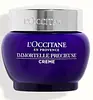 Key Ingredients
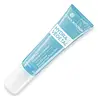
Benefits
Concerns
Ingredients Side-by-side
Water
Skin ConditioningGlycerin
Humectant


Cetearyl Alcohol
Emollient




Dicaprylyl Ether
Emollient
Cetyl Alcohol
Emollient
Cetyl Palmitate
Emollient
Dimethicone
Emollient
Butyrospermum Parkii Butter
Skin Conditioning
Octyldodecyl Myristate
EmollientMyristyl Alcohol
Emollient
Corn Starch Modified
AbsorbentHelianthus Annuus Seed Oil
Emollient
Helianthus Annuus Seed Extract
Skin Conditioning
Helichrysum Italicum Flower Oil
Masking
Helichrysum Italicum Extract
AntiseborrhoeicOenothera Biennis Oil
Emollient

Borago Officinalis Seed Oil
Emollient
Cetearyl Glucoside
Emulsifying
Myristyl Glucoside
CleansingXanthan Gum
EmulsifyingAdenosine
Skin Conditioning
Sucrose Palmitate
EmollientHydrogenated Coco-Glycerides
Emollient
Glyceryl Linoleate
Emollient
Octyldodecanol
Emollient
Carbomer
Emulsion StabilisingTocopheryl Acetate
Antioxidant


Ethylhexylglycerin
Skin ConditioningPhenoxyethanol
Preservative
Chlorphenesin
Antimicrobial
Sodium Benzoate
Masking
Potassium Sorbate
Preservative
Tocopherol
Antioxidant
Parfum
Masking


Hexyl Cinnamal
Perfuming

Benzyl Salicylate
Perfuming
Alpha-Isomethyl Ionone
Perfuming
Linalool
Perfuming
Citral
Perfuming
Limonene
Perfuming
Water, Glycerin, Cetearyl Alcohol, Dicaprylyl Ether, Cetyl Alcohol, Cetyl Palmitate, Dimethicone, Butyrospermum Parkii Butter, Octyldodecyl Myristate, Myristyl Alcohol, Corn Starch Modified, Helianthus Annuus Seed Oil, Helianthus Annuus Seed Extract, Helichrysum Italicum Flower Oil, Helichrysum Italicum Extract, Oenothera Biennis Oil, Borago Officinalis Seed Oil, Cetearyl Glucoside, Myristyl Glucoside, Xanthan Gum, Adenosine, Sucrose Palmitate, Hydrogenated Coco-Glycerides, Glyceryl Linoleate, Octyldodecanol, Carbomer, Tocopheryl Acetate, Ethylhexylglycerin, Phenoxyethanol, Chlorphenesin, Sodium Benzoate, Potassium Sorbate, Tocopherol, Parfum, Hexyl Cinnamal, Benzyl Salicylate, Alpha-Isomethyl Ionone, Linalool, Citral, Limonene
Water
Skin ConditioningMethylpropanediol
SolventCentaurea Cyanus Flower Water
Skin Conditioning
Aloe Barbadensis Leaf Juice
Skin Conditioning
Betaine
Humectant
Propanediol
Solvent
Carpobrotus Edulis Extract
Hydroxyacetophenone
Antioxidant
Carbomer
Emulsion StabilisingEscin
TonicSodium Hydroxide
BufferingMica
Cosmetic ColorantSodium Benzoate
Masking
Cellulose Gum
Emulsion StabilisingChenopodium Quinoa Seed Extract
Skin Conditioning
Tetrasodium EDTA
Silica
Abrasive


Potassium Sorbate
Preservative
Citric Acid
Buffering
CI 77891
Cosmetic ColorantWater, Methylpropanediol, Centaurea Cyanus Flower Water, Aloe Barbadensis Leaf Juice, Betaine, Propanediol, Carpobrotus Edulis Extract, Hydroxyacetophenone, Carbomer, Escin, Sodium Hydroxide, Mica, Sodium Benzoate, Cellulose Gum, Chenopodium Quinoa Seed Extract, Tetrasodium EDTA, Silica, Potassium Sorbate, Citric Acid, CI 77891
Reviews
Ingredients Explained
These ingredients are found in both products.
Ingredients higher up in an ingredient list are typically present in a larger amount.
Carbomer is a synthetic thickening and gelling agent. It's basically the ingredient that gives a lot of serums, gels, creams, and sunscreens their smooth, non-sticky texture.
Although legally permitted at very high levels, carbomers are normally used at concentrations below 1%.
It also needs to be neutralized to actually thicken, and because it is a large molecule, it doesn't really penetrate the skin barrier.
Allergy-wise, the risk is very low. Clinical studies show carbomers have low potential for skin irritation/sensitization even at concentrations up to 100%.
A 2024 UK study patch-tested 1,302 patients and found true allergy to the parent group of carbomer to be rare with no confirmed relevant reactions.
Learn more about CarbomerPotassium Sorbate is a preservative used to prevent yeast and mold in products. It is commonly found in both cosmetic and food products.
This ingredient comes from potassium salt derived from sorbic acid. Sorbic acid is a natural antibiotic and effective against fungus.
Both potassium sorbate and sorbic acid can be found in baked goods, cheeses, dried meats, dried fruit, ice cream, pickles, wine, yogurt, and more.
You'll often find this ingredient used with other preservatives.
Learn more about Potassium SorbateSodium Benzoate is a preservative. It's used in both cosmetic and food products to inhibit the growth of mold and bacteria. It is typically produced synthetically.
Both the US FDA and EU Health Committee have approved the use of sodium benzoate. In the US, levels of 0.1% (of the total product) are allowed.
Sodium benzoate works as a preservative by inhibiting the growth of bacteria inside of cells. It prevents the cell from fermenting a type of sugar using an enzyme called phosphofructokinase.
It is the salt of benzoic acid. Foods containing sodium benzoate include soda, salad dressings, condiments, fruit juices, wines, and snack foods.
Studies for using ascorbic acid and sodium benzoate in cosmetics are lacking, especially in skincare routines with multiple steps.
We always recommend speaking with a professional, such as a dermatologist, if you have any concerns.
Learn more about Sodium BenzoateWater. It's the most common cosmetic ingredient of all. You'll usually see it at the top of ingredient lists, meaning that it makes up the largest part of the product.
So why is it so popular? Water most often acts as a solvent - this means that it helps dissolve other ingredients into the formulation.
You'll also recognize water as that liquid we all need to stay alive. If you see this, drink a glass of water. Remember to stay hydrated!
Learn more about Water

