
What's inside
What's inside
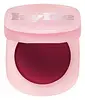 Key Ingredients
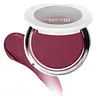
Benefits
Concerns
Ingredients Side-by-side
Isodecyl Neopentanoate
EmollientEthylhexyl Isononanoate
EmollientPolyethylene
Abrasive

Hdi/Trimethylol Hexyllactone Crosspolymer
Bis-Diglyceryl Polyacyladipate-2
Emollient


Isononyl Isononanoate
EmollientPolyglyceryl-10 Pentaisostearate
Emollient
Euphorbia Cerifera Cera
Astringent
Squalane
Emollient

Copernicia Cerifera Cera
Emollient
C10-18 Triglycerides
Emollient
Caprylic/Capric Triglyceride
Masking
Polyhydroxystearic Acid
Emulsifying
Ethylene/Propylene/Styrene Copolymer
Silica
Abrasive

Stearalkonium Bentonite
Gel FormingStearoyl Glutamic Acid
CleansingTocopheryl Acetate
Antioxidant


Glycine Soja Oil
Emollient




Propylene Carbonate
SolventButylene/Ethylene/Styrene Copolymer
Mica
Cosmetic ColorantCoconut Alkanes
Emollient
Pentaerythrityl Tetra-Di-T-Butyl Hydroxyhydrocinnamate
Antioxidant
Coco-Caprylate/Caprate
Emollient
Citrus Aurantium Amara Flower Extract
RefreshingJasminum Officinale Flower Extract
Masking


Lavandula Angustifolia Flower Extract
Cleansing
Paeonia Officinalis Flower Extract
TonicPrunus Serrulata Flower Extract
Skin ConditioningSambucus Nigra Flower Extract
RefreshingTocopherol
Antioxidant
Rosa Damascena Flower Oil
Masking
Helianthus Annuus Seed Oil
Emollient
CI 15850
Cosmetic ColorantIron Oxides
CI 42090
Cosmetic ColorantIsodecyl Neopentanoate, Ethylhexyl Isononanoate, Polyethylene, Hdi/Trimethylol Hexyllactone Crosspolymer, Bis-Diglyceryl Polyacyladipate-2, Isononyl Isononanoate, Polyglyceryl-10 Pentaisostearate, Euphorbia Cerifera Cera, Squalane, Copernicia Cerifera Cera, C10-18 Triglycerides, Caprylic/Capric Triglyceride, Polyhydroxystearic Acid, Ethylene/Propylene/Styrene Copolymer, Silica, Stearalkonium Bentonite, Stearoyl Glutamic Acid, Tocopheryl Acetate, Glycine Soja Oil, Propylene Carbonate, Butylene/Ethylene/Styrene Copolymer, Mica, Coconut Alkanes, Pentaerythrityl Tetra-Di-T-Butyl Hydroxyhydrocinnamate, Coco-Caprylate/Caprate, Citrus Aurantium Amara Flower Extract, Jasminum Officinale Flower Extract, Lavandula Angustifolia Flower Extract, Paeonia Officinalis Flower Extract, Prunus Serrulata Flower Extract, Sambucus Nigra Flower Extract, Tocopherol, Rosa Damascena Flower Oil, Helianthus Annuus Seed Oil, CI 15850, Iron Oxides, CI 42090
C15-19 Alkane
SolventOctyldodecanol
Emollient
Tridecyl Trimellitate
EmollientPentaerythrityl Tetraisostearate
Emollient
Synthetic Wax
Abrasive
Synthetic Fluorphlogopite
Raphanus Sativus Seed Extract
Skin ConditioningCera Microcristallina
Emulsion StabilisingSilica Silylate
Emollient
Hydrogenated Rice Bran Wax
Skin Conditioning
Dicalcium Phosphate
Abrasive
Disteardimonium Hectorite
StabilisingHelianthus Annuus Seed Oil
Emollient
Oryza Sativa Bran Wax
Skin Conditioning
Pentaerythrityl Tetra-Di-T-Butyl Hydroxyhydrocinnamate
Antioxidant
Rosmarinus Officinalis Leaf Extract
AntimicrobialTocopheryl Acetate
Antioxidant
Ricinus Communis Seed Oil
Masking
Hydrolyzed Sodium Hyaluronate
Skin Conditioning
Sodium Hyaluronate
Humectant
Hydrogenated Castor Oil
Emollient
CI 77891
Cosmetic ColorantCI 77491
Cosmetic ColorantCI 42090
Cosmetic ColorantCI 15850
Cosmetic ColorantCI 19140
Cosmetic ColorantC15-19 Alkane, Octyldodecanol, Tridecyl Trimellitate, Pentaerythrityl Tetraisostearate, Synthetic Wax, Synthetic Fluorphlogopite, Raphanus Sativus Seed Extract, Cera Microcristallina, Silica Silylate, Hydrogenated Rice Bran Wax, Dicalcium Phosphate, Disteardimonium Hectorite, Helianthus Annuus Seed Oil, Oryza Sativa Bran Wax, Pentaerythrityl Tetra-Di-T-Butyl Hydroxyhydrocinnamate, Rosmarinus Officinalis Leaf Extract, Tocopheryl Acetate, Ricinus Communis Seed Oil, Hydrolyzed Sodium Hyaluronate, Sodium Hyaluronate, Hydrogenated Castor Oil, CI 77891, CI 77491, CI 42090, CI 15850, CI 19140
Ingredients Explained
These ingredients are found in both products.
Ingredients higher up in an ingredient list are typically present in a larger amount.
Ci 15850 is the pigment color red. It is an azo dye and created synthetically.
Azo dyes need to be thoroughly purified before use. This allows them to be more stable and longer-lasting.
This ingredient is common in foundations, lipsticks, and blushes. This color is described as brown/orangey red.
It has many secondary names such as Red 6 and Red 7. According to a manufacturer, Red 6 usually contains aluminum.
Learn more about CI 15850Ci 42090 is a synthetic dye created from petroleum. It is used to give a bright blue color to cosmetics, medicine, and food.
Helianthus Annuus Seed Oil is a plant oil derived from the seeds of a sunflower.
It is rich in fatty acids, primarily linoleic acid and oleic acid. This gives it emollient and skin conditioning properties.
The reason this ingredient is so effective is because it forms a thin film on the skin that reduces transepidermal water loss (TEWL) while supplying linoleic acid to the stratum corneum to improve barrier strength.
The high linoleic acid content is particularly noteworthy for acne-prone skin.
Research suggests that acne-prone skin tends to be deficient in linoleic acid in sebum. Topical application may help replenish this to support a healthier follicular environment and less comedone-promoting sebum.
One randomized study found sunflower seed oil preserved skin barrier integrity in adult volunteers with and without atopic dermatitis (outperforming olive oil).
This ingredient is well-studied, gentle, and an effective emollient suitable for most skin types.
On fungal acne: This ingredient may not be Fungal acne (Malassezia folliculitis) safe. This is because it contains fatty acids with carbon chain lengths in the C11-C24 range.
Learn more about Helianthus Annuus Seed OilPentaerythrityl Tetra-Di-T-Butyl Hydroxyhydrocinnamate (long name, huh?) is a synthetic antioxidant.
It is used to help stabilize other antioxidants or prevent the color from changing in a product.
As an antioxidant, it helps fight free-radical molecules. Free-radical molecules are capable of damaging our cells and other genetic material. Thus, antioxidants may reduce the signs of aging.
This ingredient is oil-soluble.
Learn more about Pentaerythrityl Tetra-Di-T-Butyl HydroxyhydrocinnamateTocopheryl Acetate is a stable, shelf-friendly form of vitamin E.
Formulators love it because plain vitamin E oxidizes quickly once it hits air. This acetate version stays stable and resists going off, helping to extend a product's shelf life.
It's actually inactive on its own and works like a slow-release "storage" form; the enzymes in your skin called esterases gradually convert it into active vitamin E over time.
One in vivo study showed 5% of the acetate in the living layer of the epidermis converted to vitamin E after 5 days of application. This study also found the skin gained protection against UV damage even though the conversion was slow and small.
Once converted, vitamin E acts as a skin's main fat-soluble antioxidant that fights free radicals to protect skin from damage.
Topical vitamin E generally boosts the skin's photoprotection, and it reduced UV-damage in animal models.
This ingredient has some brightening potential but it's more of a prevention ingredient than spot-fader. Cell studies show it can slow down melanin production but it's worth noting that it's not the most powerful brightener out there.
Overall, it has a pretty solid safety profile and has been found to be non-irritating and non-comedogenic. Allergic reactions may happen but stay rare due to how widely the ingredient gets used.
The concentration will vary depending on the formula; industry data shows 0.1% in baby lotions, 3% in lipsticks, and 5% in foot powders. You can also find this ingredient at 100% in a pure vitamin E oil.
Most leave-on skincare keeps it at the lower end, often between 0.5-1%.
Learn more about Tocopheryl Acetate

