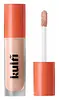
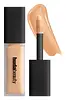
Kulfi Main Match Crease-Proof Long-Wear Hydrating Concealer Versus Huda Beauty #FauxFilter Luminous Matte Concealer

What's inside
What's inside
 Key Ingredients
Benefits
Concerns
No concerns
Ingredients Side-by-side
Water
Skin ConditioningEthylhexyl Palmitate
Emollient


Hydrogenated Poly(C6-14 Olefin)
EmollientPolyglyceryl-6 Pentaoleate
Emulsifying
Caprylic/Capric Triglyceride
Masking


Capryloyl Glycerin/Sebacic Acid Copolymer
Skin ConditioningGlycerin
Humectant
Sodium Chloride
MaskingSilica
Abrasive


Calcium Sodium Borosilicate
Ceresin
Emulsion StabilisingTocopherol
Antioxidant





Crocus Sativus Flower Extract
MaskingEmblica Officinalis Fruit Extract
Skin ConditioningGlycyrrhiza Glabra Root Extract
Bleaching
Rosa Canina Fruit Extract
Astringent
Hibiscus Sabdariffa Flower Extract
Skin ConditioningHelianthus Annuus Seed Oil
Emollient
Sesamum Indicum Seed Oil
Emollient
Brassica Campestris Seed Oil
Skin Conditioning
Triethoxycaprylylsilane

Propylene Carbonate
SolventStearalkonium Hectorite
Gel FormingPhenoxyethanol
Preservative
Ethylhexylglycerin
Skin ConditioningPotassium Sorbate
Preservative
Sodium Benzoate
Masking
CI 77891
Cosmetic ColorantIron Oxides
Water, Ethylhexyl Palmitate, Hydrogenated Poly(C6-14 Olefin), Polyglyceryl-6 Pentaoleate, Caprylic/Capric Triglyceride, Capryloyl Glycerin/Sebacic Acid Copolymer, Glycerin, Sodium Chloride, Silica, Calcium Sodium Borosilicate, Ceresin, Tocopherol, Crocus Sativus Flower Extract, Emblica Officinalis Fruit Extract, Glycyrrhiza Glabra Root Extract, Rosa Canina Fruit Extract, Hibiscus Sabdariffa Flower Extract, Helianthus Annuus Seed Oil, Sesamum Indicum Seed Oil, Brassica Campestris Seed Oil, Triethoxycaprylylsilane, Propylene Carbonate, Stearalkonium Hectorite, Phenoxyethanol, Ethylhexylglycerin, Potassium Sorbate, Sodium Benzoate, CI 77891, Iron Oxides
Water
Skin ConditioningCyclopentasiloxane
Emollient
Propanediol
Solvent
Dimethicone
Emollient
Phenyl Trimethicone
Skin Conditioning
Trimethylsiloxysilicate
Emollient
Lauryl PEG-9 Polydimethylsiloxyethyl Dimethicone
Skin Conditioning
Phenylisopropyl Dimethicone
Skin Conditioning
Caprylyl Methicone
Skin Conditioning
Hdi/Trimethylol Hexyllactone Crosspolymer
C20-24 Alkyl Dimethicone
Skin Conditioning
Synthetic Fluorphlogopite
Prunus Amygdalus Dulcis Oil
Skin Conditioning
Tocopherol
Antioxidant
Tocopheryl Acetate
Antioxidant
Ethylhexylglycerin
Skin ConditioningSodium Chloride
MaskingAluminum Hydroxide
EmollientHydrogen Dimethicone
Isododecane
EmollientTalc
Abrasive
Dimethicone Crosspolymer
Emulsion Stabilising
Sodium Gluconate
Skin ConditioningDimethicone/PEG-10/15 Crosspolymer
Disteardimonium Hectorite
StabilisingSilica
Abrasive
Tin Oxide
Abrasive
Phenoxyethanol
Preservative
CI 77491
Cosmetic ColorantCI 77492
Cosmetic ColorantCI 77499
Cosmetic ColorantCI 77891
Cosmetic ColorantWater, Cyclopentasiloxane, Propanediol, Dimethicone, Phenyl Trimethicone, Trimethylsiloxysilicate, Lauryl PEG-9 Polydimethylsiloxyethyl Dimethicone, Phenylisopropyl Dimethicone, Caprylyl Methicone, Hdi/Trimethylol Hexyllactone Crosspolymer, C20-24 Alkyl Dimethicone, Synthetic Fluorphlogopite, Prunus Amygdalus Dulcis Oil, Tocopherol, Tocopheryl Acetate, Ethylhexylglycerin, Sodium Chloride, Aluminum Hydroxide, Hydrogen Dimethicone, Isododecane, Talc, Dimethicone Crosspolymer, Sodium Gluconate, Dimethicone/PEG-10/15 Crosspolymer, Disteardimonium Hectorite, Silica, Tin Oxide, Phenoxyethanol, CI 77491, CI 77492, CI 77499, CI 77891
Reviews
Ingredients Explained
These ingredients are found in both products.
Ingredients higher up in an ingredient list are typically present in a larger amount.
Ci 77891 is a white pigment from Titanium dioxide. It is naturally found in minerals such as rutile and ilmenite.
It's main function is to add a white color to cosmetics. It can also be mixed with other colors to create different shades.
Ci 77891 is commonly found in sunscreens due to its ability to block UV rays.
Learn more about CI 77891Ethylhexylglycerin is created from glycerin. It is a multitasker ingredient that:
The CIR Expert Panel found minimal skin absorption or sensitization of any kind in a safety assessment. Though this ingredient is considered well-tolerated, a small number of cases of allergic dermatitis have been published since 2002. Just be sure to patch test if you are unsure.
Industry-reported use ranges from 8% in rinse-off products and 2% in leave-on formulations.
Learn more about EthylhexylglycerinPhenoxyethanol is a preservative that has germicide, antimicrobial, and aromatic properties. Studies show that phenoxyethanol can prevent microbial growth. By itself, it has a scent that is similar to that of a rose.
It's often used in formulations along with Caprylyl Glycol to preserve the shelf life of products.
Silica, also known as silicon dioxide, is a naturally occurring mineral. It is used as a fine, spherical, and porous powder in cosmetics.
Though it has exfoliant properties, the function of silica varies depending on the product.
The unique structure of silica enhances the spreadability and adds smoothness, making it a great texture enhancer.
It is also used as an active carrier, emulsifier, and mattifier due to its ability to absorb excess oil.
In some products, tiny microneedles called spicules are made from silica or hydrolyzed sponge. When you rub them in, they lightly polish away dead skin layers and enhance the penetration of active ingredients.
Learn more about SilicaChances are, you eat sodium chloride every day. Sodium Chloride is also known as table salt. This ingredient has many purposes in skincare: thickener, emulsifier, and exfoliator.
You'll most likely find this ingredient in cleansers where it is used to create a gel-like texture. As an emulsifier, it also prevents ingredients from separating.
You might see people debate whether Sodium Chloride is comedogenic, but there actually haven't been any comedogenic tests done on it. Either way, the overall formulation of a product matters a lot more than any single ingredient.
You might see this ingredient used in scrubs as a primary exfoliating ingredient.
Learn more about Sodium ChlorideTocopherol is a fat-soluble antioxidant known as Vitamin E.
You'll find this ingredient in the vast majority of skincare (for good reason). It works to neutralize free radicals, or unstable molecules generated by UV exposure, pollution, and other environmental stressors, before they can cause oxidative damage to your skin cells.
Topically applied tocopherol has been shown to protect against UV damage by ramping up the skin's own natural defense enzymes.
It also acts as a skin conditioning agent; some studies show that regular topical use can improve the skin's water-binding capacity over 2-4 weeks.
This ingredient is especially loved for being a team player. When combined with Vitamin C, the photoprotective effect of both ingredients roughly doubles and the combo also helps reduce UV-induced DNA damage.
This ingredient has some brightening potential but it's more of a prevention ingredient than spot-fader. Cell studies show it can slow down melanin production but it's worth noting that it's not the most powerful brightener out there.
In formulations, it also serves as a stabilizer that helps protect other oxidation-prone ingredients from degrading.
Concentrations usually range from 0.1-1% in most leave-on products.
Learn more about TocopherolWater. It's the most common cosmetic ingredient of all. You'll usually see it at the top of ingredient lists, meaning that it makes up the largest part of the product.
So why is it so popular? Water most often acts as a solvent - this means that it helps dissolve other ingredients into the formulation.
You'll also recognize water as that liquid we all need to stay alive. If you see this, drink a glass of water. Remember to stay hydrated!
Learn more about Water
