Kiehl's Precision Lifting & Pore-Tightening Concentrate Versus Kiehl's Powerful-Strength Vitamin C Serum
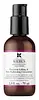
This anti-aging serum is formulated around Squalane and Adenosine to soften the look of wrinkles and refine the look of pores.
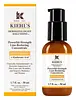
This anti-aging serum is formulated around Ascorbic Acid and Ascorbyl Glucoside to soften the look of wrinkles and brighten dull-looking skin.

What's inside
What's inside
 Key Ingredients
Benefits
Concerns
Ingredients Side-by-side
Water
Skin ConditioningButylene Glycol
Humectant

Bis-PEG-18 Methyl Ether Dimethyl Silane
EmollientMethyl Gluceth-20
Humectant
PEG-20
HumectantSqualane
Emollient
Dimethicone
Emollient

Alcohol Denat.
Antimicrobial




Octyldodecanol
Emollient
Cyclohexasiloxane
Emollient
Lauroyl Lysine
Skin Conditioning
Carbomer
Emulsion StabilisingPhenoxyethanol
Preservative
Tocopheryl Acetate
Antioxidant


Hydrogenated Lecithin
Emulsifying
Pentylene Glycol
Skin Conditioning
Caprylyl Glycol
Emollient
Polysilicone-11
Yeast Extract
Skin ConditioningXanthan Gum
EmulsifyingAcrylates/C10-30 Alkyl Acrylate Crosspolymer
Emulsion StabilisingPvp
Emulsion StabilisingPelargonium Graveolens Flower Oil
Masking



Adenosine
Skin Conditioning
Capryloyl Salicylic Acid
Exfoliating



Disodium EDTA
ChelatingSodium Hydroxide
BufferingGlycine Max Seed Extract
Skin ConditioningCitronellol
Perfuming
Geraniol
Perfuming
Rosmarinus Officinalis Leaf Oil
Masking
Linalool
Perfuming
Citral
Perfuming
Limonene
Perfuming
Water, Butylene Glycol, Bis-PEG-18 Methyl Ether Dimethyl Silane, Methyl Gluceth-20, PEG-20, Squalane, Dimethicone, Alcohol Denat., Octyldodecanol, Cyclohexasiloxane, Lauroyl Lysine, Carbomer, Phenoxyethanol, Tocopheryl Acetate, Hydrogenated Lecithin, Pentylene Glycol, Caprylyl Glycol, Polysilicone-11, Yeast Extract, Xanthan Gum, Acrylates/C10-30 Alkyl Acrylate Crosspolymer, Pvp, Pelargonium Graveolens Flower Oil, Adenosine, Capryloyl Salicylic Acid, Disodium EDTA, Sodium Hydroxide, Glycine Max Seed Extract, Citronellol, Geraniol, Rosmarinus Officinalis Leaf Oil, Linalool, Citral, Limonene
Propylene Glycol
Humectant
Dimethicone
Emollient
Glycerin
Humectant
Ascorbic Acid
Antioxidant

Ethylhexyl Palmitate
Emollient


Cetyl PEG/PPG-10/1 Dimethicone
Emulsifying
Dimethicone Crosspolymer
Emulsion Stabilising
Ascorbyl Glucoside
Antioxidant
Cyclohexasiloxane
Emollient
Hydroxyethylpiperazine Ethane Sulfonic Acid
BufferingLauroyl Lysine
Skin Conditioning
Acrylonitrile/Methyl Methacrylate/Vinylidene Chloride Copolymer
Polysilicone-11
Adenosine
Skin Conditioning
Hydrolyzed Hyaluronic Acid
Humectant
Limonene
Perfuming
Isobutane
Citrus Aurantium Dulcis Peel Oil
Masking
Citrus Limon Peel Oil
Masking
Citral
Perfuming
Pentaerythrityl Tetra-Di-T-Butyl Hydroxyhydrocinnamate
Antioxidant
Propylene Glycol, Dimethicone, Glycerin, Ascorbic Acid, Ethylhexyl Palmitate, Cetyl PEG/PPG-10/1 Dimethicone, Dimethicone Crosspolymer, Ascorbyl Glucoside, Cyclohexasiloxane, Hydroxyethylpiperazine Ethane Sulfonic Acid, Lauroyl Lysine, Acrylonitrile/Methyl Methacrylate/Vinylidene Chloride Copolymer, Polysilicone-11, Adenosine, Hydrolyzed Hyaluronic Acid, Limonene, Isobutane, Citrus Aurantium Dulcis Peel Oil, Citrus Limon Peel Oil, Citral, Pentaerythrityl Tetra-Di-T-Butyl Hydroxyhydrocinnamate
Reviews
Ingredients Explained
These ingredients are found in both products.
Ingredients higher up in an ingredient list are typically present in a larger amount.
Adenosine is a purine nucleoside that your body already makes in every cell. In skincare, it acts mainly as a skin conditioning and anti-aging agent.
The way it works is fairly well mapped out:
Your skin has cells called fibroblasts that build collagen (the stuff that keeps skin firm and smooth). Adenosine basically flips a switch on these cells that tells them to get to work making more collagen and other proteins. These cells slow down on their own as skin ages, so Adenosine helps give them a little nudge to keep going.
The clinical backing is pretty solid too.
A blind, randomized, placebo-controlled trial of 126 women aged 45-65 tested a 0.1% cream twice daily and found real improvements in crow's feet and frown lines using a precise 3D skin-mapping technique; these changes showed up by week 3 and held at 2 months.
A later study using Adenosine-loaded dissolving microneedle patches reported gains in wrinkle depth, dermal density, elasticity, and hydration.
On concentrations, South Korea's Ministry of Food and Drug Safety has set 0.04% as the approved functional anti-wrinkle level. You'll typically see this ingredient used somewhere in the 0.04-0.1% range since it works at low doses.
This ingredient has been found safe for cosmetics with the data showing no irritation or sensitization.
Overall, this is a great ingredient for any anti-aging routine and has no photosensitizing effect, so it suits both AM and PM use.
Learn more about AdenosineCitral is the molecule responsible for the fresh lemon scent in lemon, lime, and lemongrass. It is a fragrance ingredient that can be created from plant essential oils or synthetically.
Though Citral has documented antimicrobial activity against acne bacteria (which is where the marketing claims about it being good for acne-prone skin originate), real formulas use it at fragrance-level concentrations under 1% so there's likely no skin benefit.
You should know this ingredient is a known EU fragrance allergen.
Animal studies classifies this ingredient as a weak-to-moderate skin sensitizer and clinical patch testing on eczema patients confirmed it to be both a contact allergen and irritant.
The term 'citral' is a collective term for two geometric isomers: geranial/Citral A and neral/Citral B.
The term 'fragrance' is not regulated in many countries. In many cases, it is up to the brand to define this term. For instance, many brands choose to label themselves as "fragrance-free" because they are not using synthetic fragrances. However, their products may still contain ingredients such as essential oils that are considered a fragrance.
Learn more about CitralCyclohexasiloxane is a type of silicone more commonly known as D6. It is an emollient and solvent.
Cyclohexasiloxane is used to evenly distribute ingredients throughout the product. When applied to the skin, Cyclohexasiloxane evaporates and leaves behind a silky feel.
As an emollient, it can help the skin feel soft and hydrated. It is also used to reduce frizz in hair products.
Learn more about CyclohexasiloxaneDimethicone is a type of synthetic silicone created from natural materials such as quartz. It is also known as polydimethylsiloxane.
What it does:
Dimethicone comes in different viscosities:
Depending on the viscosity, dimethicone has different properties.
Ingredients lists don't always show which type is used, so we recommend reaching out to the brand if you have questions about the viscosity.
This ingredient is unlikely to cause irritation because it does not get absorbed into skin. However, people with silicone allergies should be careful about using this ingredient.
Note: Dimethicone may contribute to pilling. This is because it is not oil or water soluble, so pilling may occur when layered with products. When mixed with heavy oils in a formula, the outcome is also quite greasy.
Learn more about DimethiconeThis ingredient comes from a fatty acid (lauric acid) and amino acid (lysine). It is used to add a silky feel to cosmetics.
According to a manufacturer, its fatty acid base leaves a silky feeling on the skin. It also has emollient properties because of this. Emollients help soften skin by preventing water from evaporating.
Lauroyl lysine is barely soluble in water.
Learn more about Lauroyl LysineLimonene is the compound that gives citrus peel its smell.
In skincare, it shows up as a standalone fragrance ingredient or as a natural compound of citrus and other essential oils.
You'll typically see this ingredient used in very small amounts; anything above 0.001% in a leave-on product or 0.01% in a rinse-off has to be named on the label in the EU. The citrus oils that carry it sit around 0.5-1% in a finished formula.
Fresh limonene is a weak allergen; the real issue is that it slowly reacts with air and then breaks down from oxidation to create hydroperoxides (which are strong sensitizers). This is why suppliers are required to keep the peroxide value below 20 mmol.
Positive reactions in people being investigated for eczema vary:
It's worth skipping if you have a known fragrance allergy or a compromised barrier, but the risk is low for most people.
Older or long-opened products are also more likely to bother you than fresh ones due to oxidation.
Learn more about LimonenePolysilicone-11 is a film-forming silicone that creates a non-tacky and matte finish on the skin. It's commonly used to improve texture, absorb excess oil, and help active ingredients spread evenly.
Due to its "rubber-like" structure, it stays on the skin's surface instead of being absorbed. On the skin, it creates a flexible layer that enhances wearability and stability.


