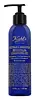
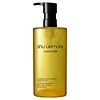
Kiehl's Midnight Recovery Botanical Cleansing Oil Versus Shu Uemura Botanicoil Indulging Plant-Based Cleansing Oil
This oil-based makeup remover is made to dissolve makeup, sunscreen, and daily buildup.
This oil-based makeup remover is made to dissolve makeup, sunscreen, and daily buildup.


What's inside
What's inside
 Key Ingredients
Benefits
Concerns
Ingredients Side-by-side
Ethylhexyl Palmitate
Emollient




Zea Mays Germ Oil
Emollient
Isopropyl Myristate
Emollient
Caprylic/Capric Triglyceride
Masking


Polyglyceryl-10 Dioleate
Emulsifying
Polyglyceryl-6 Dicaprate
EmulsifyingOenothera Biennis Oil
Emollient

Polyglyceryl-2 Oleate
Emulsifying
Squalane
Emollient
Coriandrum Sativum Seed Oil
Emollient
Phenoxyethanol
Preservative
Lavandula Angustifolia Oil
Masking


Isopropyl Lauroyl Sarcosinate
Skin ConditioningDicaprylyl Ether
Emollient
Dicaprylyl Carbonate
EmollientGeranium Maculatum Oil
Masking
Rosmarinus Officinalis Leaf Oil
Masking
Linalool
Perfuming
Tocopherol
Antioxidant



Citronellol
Perfuming
Geraniol
Perfuming
Limonene
Perfuming
Glycine Soja Oil
Emollient
Glyceryl Stearate Citrate
Emollient
Ethylhexyl Palmitate, Zea Mays Germ Oil, Isopropyl Myristate, Caprylic/Capric Triglyceride, Polyglyceryl-10 Dioleate, Polyglyceryl-6 Dicaprate, Oenothera Biennis Oil, Polyglyceryl-2 Oleate, Squalane, Coriandrum Sativum Seed Oil, Phenoxyethanol, Lavandula Angustifolia Oil, Isopropyl Lauroyl Sarcosinate, Dicaprylyl Ether, Dicaprylyl Carbonate, Geranium Maculatum Oil, Rosmarinus Officinalis Leaf Oil, Linalool, Tocopherol, Citronellol, Geraniol, Limonene, Glycine Soja Oil, Glyceryl Stearate Citrate
Zea Mays Germ Oil
Emollient
Ethylhexyl Palmitate
Emollient
Isopropyl Myristate
Emollient
Caprylic/Capric/Succinic Triglyceride
EmollientPolyglyceryl-6 Dioleate
Emulsifying
Polyglyceryl-6 Dicaprate
EmulsifyingPrunus Armeniaca Kernel Oil
Masking
Polyglyceryl-2 Oleate
Emulsifying
Polyglyceryl-6 Caprylate
EmulsifyingLavandula Hybrida Oil
Emollient
Limonene
Perfuming
Citrus Nobilis Peel Oil
Masking
Pelargonium Graveolens Flower Oil
Masking
Linalool
Perfuming
Cupressus Sempervirens Leaf/Nut/Stem Oil
Emollient
Tocopherol
Antioxidant
Citronellol
Perfuming
Citrus Limon Peel Oil
Masking
Geraniol
Perfuming
Origanum Majorana Leaf Oil
Masking
Zingiber Officinale Root Oil
Masking
Mentha Piperita Oil
Masking
Citral
Perfuming
Water
Skin ConditioningDicaprylyl Ether
Emollient
Dicaprylyl Carbonate
EmollientUndecane
EmollientCymbopogon Schoenanthus Oil
Masking
Glycine Soja Oil
Emollient
Tridecane
Perfuming
Glyceryl Stearate Citrate
Emollient
Oryza Sativa Bran Oil
Emollient
Maltodextrin
Absorbent
Citrus Junos Fruit Extract
Skin ConditioningHelianthus Annuus Seed Oil
Emollient
Zea Mays Germ Oil, Ethylhexyl Palmitate, Isopropyl Myristate, Caprylic/Capric/Succinic Triglyceride, Polyglyceryl-6 Dioleate, Polyglyceryl-6 Dicaprate, Prunus Armeniaca Kernel Oil, Polyglyceryl-2 Oleate, Polyglyceryl-6 Caprylate, Lavandula Hybrida Oil, Limonene, Citrus Nobilis Peel Oil, Pelargonium Graveolens Flower Oil, Linalool, Cupressus Sempervirens Leaf/Nut/Stem Oil, Tocopherol, Citronellol, Citrus Limon Peel Oil, Geraniol, Origanum Majorana Leaf Oil, Zingiber Officinale Root Oil, Mentha Piperita Oil, Citral, Water, Dicaprylyl Ether, Dicaprylyl Carbonate, Undecane, Cymbopogon Schoenanthus Oil, Glycine Soja Oil, Tridecane, Glyceryl Stearate Citrate, Oryza Sativa Bran Oil, Maltodextrin, Citrus Junos Fruit Extract, Helianthus Annuus Seed Oil
Reviews
Ingredients Explained
These ingredients are found in both products.
Ingredients higher up in an ingredient list are typically present in a larger amount.
Citronellol is used to add fragrance/parfum to a product. It is often derived from plants such as roses. In fact, it can be found in many essential oils including geranium, lavender, neroli, and more. The scent of Citronellol is often described as "fresh, grassy, and citrus-like".
Since the Citronellol molecule is already unstable, Citronellol becomes irritating on the skin when exposed to air.
Citronellol is a modified terpene. Terpenes are unsaturated hydrocarbons found in plants. They make up the primary part of essential oils.
Citronellol is not able to be absorbed into deeper layers of the skin. It has low permeability,
Citronellol is also a natural insect repellent.
Learn more about CitronellolDicaprylyl Carbonate comes from carbonic acid and caprylyl alcohol, a fatty alcohol. It is an emollient and gives skin a velvet feel. The sources of Dicaprylyl Carbonate may be synthetic or from animals.
As an emollient, Dicaprylyl Carbonate creates a film on the skin. This film traps moisture in, keeping your skin soft and hydrated.
Dicaprylyl Ether is created from caprylic acid. It is a texture-enhancer and emollient.
As an emollient, Dicaprylyl Ether is non-comedogenic. It helps soften and smooth the skin by creating a barrier on top. This barrier helps trap moisture in, helping to hydrate the skin.
Dicaprylyl Ether gives a non-greasy feel and better spreadability to products.
Learn more about Dicaprylyl EtherEthylhexyl Palmitate, also known as octyl palmitate, is created from 2-ethylhexyl alcohol and palmitic acid.
In cosmetics, it plays many roles:
One thing worth noting: a controlled study found this ingredient applied under occlusion to acne-prone subjects increased microcomedones. Just keep in mind this was under occlusive conditions and don't reflect how most products are used day-to-day.
For most people, this is a well-tolerated and lightweight ingredient.
This ingredient may not be fungal acne safe because it is an ester of palmitic acid, a C16 fatty acid that falls within the C11-24 range that Malassezia can metabolize.
You'll see this one rated 4 comedogenic all over the internet. That number isn't from a single study, and the actual research is more interesting.
The original rating comes from 1980s rabbit ear tests (which are a shaky basis for anything). But Ethylhexyl Palmitate is one of the few ingredients with real human data behind it. A 2021 controlled trial found this ingredient increased microcomedones by an average of 365% over four weeks.
Just know that test used the pure ingredient under an occlusive pad on back skin; most products use it at much lower levels alongside other ingredients and plenty of people use those with no issue.
Learn more about Ethylhexyl PalmitateGeraniol is used to add fragrance/parfum to a product. It is the main component of citronellol. It is a monoterpenoid and an alcohol.
Monoterpenes are naturally found in many parts of different plants.
Geraniol can be found in many essential oils including Rose Oil and Citronella Oil. The scent of Geraniol is often described as "rose-like". Many foods also contain Geraniol for fruit flavoring.
Geraniol can irritate the skin when exposed to air. However, irritation depends on the ability of geraniol to penetrate into the skin. In general, geraniol is not able to penetrate skin easily.
Geraniol is colorless and has low water-solubility. However, it is soluble in common organic solvents.
Like citronellol, it is a natural insect repellent.
2,6-Octadien-1-ol, 3,7-dimethyl-, (2E)-
Learn more about GeraniolGlyceryl Stearate Citrate is a citric acid ester of glyceryl stearate.
It is an emulsifier, emollient, and a surfactant.
Emulsifiers help stabilize a product. It does this by preventing certain ingredients from separating. Common ingredients include oils and water, which do not mix naturally. Emulsifiers have properties that help keep ingredients such as these together.
Emollients help soothe and soften the skin. They do this by creating a protective film on your skin. This barrier helps trap moisture and keeps your skin hydrated. Emollients may be effective at treating dry or itchy skin.
Surfactants help gather oils, dirt, and other pollutants from the skin. This helps them to be easily rinsed away.
Learn more about Glyceryl Stearate CitrateGlycine Soja Oil is a plant-derived oil from soybean seeds. Like other oils, it is rich in essential fatty acids (mostly linoleic and oleic) that support skin hydration and barrier function.
The fatty acids are able to integrate into the lipid matrix of the stratum corneum to help soften skin and reduce water loss.
On top of that, soybean oil is rich in vitamins like vitamin E, a potent antioxidant.
Research on soybean's active components also point to anti-inflammatory, collagen-stimulating, antioxidant activity, and protection against UV-induced oxidative damage.
Most of this research applies to the broader soybean plant and not just the oil fraction alone.
This ingredient does carry a comedogenic rating of 3 from the old rabbit-ear assay. Just remember testing finished products in humans showed that formulas built with "comedogenic" ingredients are not necessarily comedogenic themselves. It's worth patch testing if you're breakout prone, and always listen to your skin.
Because this ingredient is a saturated triglyceride, it may not be fungal acne safe. This is because Malassezia breaks down sebum triglycerides into fatty acids it can consume, making this ingredient a possible source for the yeast.
Learn more about Glycine Soja OilIsopropyl Myristate is an ester made by combining isopropyl alcohol with myristic acid.
It is primarily an emollient and penetration enhancer that gives products a lightweight, silky feel without the heaviness of oils.
This ingredient is generally considered non-toxic, non-irritating, and has low absorption potential.
This ingredient does have a comedogenic rating of 3-5, but this doesn't mean a formula with this ingredient will clog pores.
Dermatologist Dr. Zoe Draelos has also confirmed in a peer-reviewed paper that products containing comedogenic ingredients are not necessarily comedogenic themselves.
A small subset of people (~2%) may experience contact sensitivity so patch testing is a reasonable idea if you have reactive skin.
Since this ingredient is an ester of myristic acid (a C14 fatty acid), it falls within the carbon chain range that is known to feed Malassezia. This ingredient may not be fungal acne safe.
Learn more about Isopropyl MyristateLimonene is the compound that gives citrus peel its smell.
In skincare, it shows up as a standalone fragrance ingredient or as a natural compound of citrus and other essential oils.
You'll typically see this ingredient used in very small amounts; anything above 0.001% in a leave-on product or 0.01% in a rinse-off has to be named on the label in the EU. The citrus oils that carry it sit around 0.5-1% in a finished formula.
Fresh limonene is a weak allergen; the real issue is that it slowly reacts with air and then breaks down from oxidation to create hydroperoxides (which are strong sensitizers). This is why suppliers are required to keep the peroxide value below 20 mmol.
Positive reactions in people being investigated for eczema vary:
It's worth skipping if you have a known fragrance allergy or a compromised barrier, but the risk is low for most people.
Older or long-opened products are also more likely to bother you than fresh ones due to oxidation.
Learn more about LimoneneLinalool is a small, naturally occurring scent molecule found in plants like lavender, coriander, bergamot, and more.
It is one of the two most-used fragrance ingredients in cosmetics and added purely for smell. Since it's not used for a skin benefit, there's no "effective dose". Concentration depends on the fragrance load of the product.
The EU requires it to be named on the label above 0.001% in leave-on and 0.01% in rinse-off products.
Fresh linalool is a weak sensitizer but air exposure turns some of it into hydroperoxides, which are strong sensitizers. Those oxidation products are the actual allergy concern.
Patch-test clinics see positive reactions to linalool hydroperoxides in about 4% to 12% of dermatitis patients depending on country and test concentration.
Resassuringly, one analytical study found hydroperoxide levels in real fragranced products to be orders of magnitude below what induced sensitization in animal studies with no evidence of oxidation building up during normal storage.
The practical takeaway is that linalool is fine for most people but worth avoiding if you have a confirmed fragrance contact allergy or a badly compromised barrier.
Products stored a long time after opening are also the high-risk scenario since that is when oxidation happens.
The scent of linalool is described as floral, spicy tropical, and citrus-like.
Learn more about LinaloolPolyglyceryl-2 Oleate isn't fungal acne safe.
We don't have a description for Polyglyceryl-6 Dicaprate yet.
Tocopherol is a fat-soluble antioxidant known as Vitamin E.
You'll find this ingredient in the vast majority of skincare (for good reason). It works to neutralize free radicals, or unstable molecules generated by UV exposure, pollution, and other environmental stressors, before they can cause oxidative damage to your skin cells.
Topically applied tocopherol has been shown to protect against UV damage by ramping up the skin's own natural defense enzymes.
It also acts as a skin conditioning agent; some studies show that regular topical use can improve the skin's water-binding capacity over 2-4 weeks.
This ingredient is especially loved for being a team player. When combined with Vitamin C, the photoprotective effect of both ingredients roughly doubles and the combo also helps reduce UV-induced DNA damage.
This ingredient has some brightening potential but it's more of a prevention ingredient than spot-fader. Cell studies show it can slow down melanin production but it's worth noting that it's not the most powerful brightener out there.
In formulations, it also serves as a stabilizer that helps protect other oxidation-prone ingredients from degrading.
Concentrations usually range from 0.1-1% in most leave-on products.
Learn more about TocopherolZea Mays Germ Oil comes from corn.
It is an occlusive skin conditioning agent.


