

What's inside
What's inside
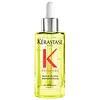 Key Ingredients
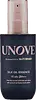
No key ingredients
Benefits
Concerns
Ingredients Side-by-side
Cyclopentasiloxane
Emollient
Dimethiconol
Emollient
C12-15 Alkyl Benzoate
AntimicrobialDimethicone
Emollient
Parfum
Masking


Alcohol
Antimicrobial



Argania Spinosa Kernel Oil
Emollient





Hippophae Rhamnoides Oil
Emollient
Hexyl Cinnamal
Perfuming
Eclipta Prostrata Extract
Skin ConditioningMelia Azadirachta Leaf Extract
Skin ConditioningGeraniol
Perfuming
Citronellol
Perfuming
Limonene
Perfuming
Water
Skin ConditioningMoringa Oleifera Seed Oil
Emollient
Alpha-Isomethyl Ionone
Perfuming
Cyclohexasiloxane
Emollient
Camellia Japonica Seed Oil
Emollient
Helianthus Annuus Seed Oil
Emollient
Hydrolyzed Silk
Humectant
Olea Europaea Fruit Oil
Masking
Hydrolyzed Vegetable Protein
Skin ConditioningMaltodextrin
Absorbent
Glycerin
Humectant

Butylene Glycol
Humectant
Hydrolyzed Keratin
Humectant
Silk Amino Acids
HumectantVegetable Amino Acids
Skin ConditioningPentylene Glycol
Skin ConditioningGlycine
Buffering
Serine
Masking
Glutamic Acid
Humectant
Ethylhexylglycerin
Skin ConditioningAspartic Acid
Masking
Leucine
Skin ConditioningAlanine
MaskingLysine
Skin ConditioningArginine
Masking
Tyrosine
MaskingPhenylalanine
Masking
Hydrolyzed Conchiolin Protein
Skin ConditioningProline
Skin ConditioningThreonine
Valine
Masking1,2-Hexanediol
Skin Conditioning
Caprylyl Glycol
Emollient
Isoleucine
Skin ConditioningCitric Acid
Buffering



Potassium Benzoate
Preservative
Potassium Sorbate
Preservative
Histidine
Humectant
Cysteine
Antioxidant
Methionine
Skin ConditioningCeramide NP
Skin Conditioning
Phospholipids
Skin Conditioning
Phytosphingosine
Skin Conditioning
Phytosterols
Skin Conditioning
Cyclopentasiloxane, Dimethiconol, C12-15 Alkyl Benzoate, Dimethicone, Parfum, Alcohol, Argania Spinosa Kernel Oil, Hippophae Rhamnoides Oil, Hexyl Cinnamal, Eclipta Prostrata Extract, Melia Azadirachta Leaf Extract, Geraniol, Citronellol, Limonene, Water, Moringa Oleifera Seed Oil, Alpha-Isomethyl Ionone, Cyclohexasiloxane, Camellia Japonica Seed Oil, Helianthus Annuus Seed Oil, Hydrolyzed Silk, Olea Europaea Fruit Oil, Hydrolyzed Vegetable Protein, Maltodextrin, Glycerin, Butylene Glycol, Hydrolyzed Keratin, Silk Amino Acids, Vegetable Amino Acids, Pentylene Glycol, Glycine, Serine, Glutamic Acid, Ethylhexylglycerin, Aspartic Acid, Leucine, Alanine, Lysine, Arginine, Tyrosine, Phenylalanine, Hydrolyzed Conchiolin Protein, Proline, Threonine, Valine, 1,2-Hexanediol, Caprylyl Glycol, Isoleucine, Citric Acid, Potassium Benzoate, Potassium Sorbate, Histidine, Cysteine, Methionine, Ceramide NP, Phospholipids, Phytosphingosine, Phytosterols
Reviews
Ingredients Explained
These ingredients are found in both products.
Ingredients higher up in an ingredient list are typically present in a larger amount.
Alpha-Isomethyl Ionone is a fragrance. It can be synthetically created or naturally occurring.
The scent of Alpha-Isomethyl Ionone is described as "flowery" but can also be "woody".
Naturally occurring Alpha-Isomethyl Ionone may be found in Saccharomyces cerevisiae, or the yeast used to make wine and bread.
The term 'fragrance' is not regulated in many countries. In many cases, it is up to the brand to define this term. For instance, many brands choose to label themselves as "fragrance-free" because they are not using synthetic fragrances. However, their products may still contain ingredients such as essential oils that are considered a fragrance.
Learn more about Alpha-Isomethyl IononeCitronellol is used to add fragrance/parfum to a product. It is often derived from plants such as roses. In fact, it can be found in many essential oils including geranium, lavender, neroli, and more. The scent of Citronellol is often described as "fresh, grassy, and citrus-like".
Since the Citronellol molecule is already unstable, Citronellol becomes irritating on the skin when exposed to air.
Citronellol is a modified terpene. Terpenes are unsaturated hydrocarbons found in plants. They make up the primary part of essential oils.
Citronellol is not able to be absorbed into deeper layers of the skin. It has low permeability,
Citronellol is also a natural insect repellent.
Learn more about CitronellolDimethicone is a type of synthetic silicone created from natural materials such as quartz.
What it does:
Dimethicone comes in different viscosities:
Depending on the viscosity, dimethicone has different properties.
Ingredients lists don't always show which type is used, so we recommend reaching out to the brand if you have questions about the viscosity.
This ingredient is unlikely to cause irritation because it does not get absorbed into skin. However, people with silicone allergies should be careful about using this ingredient.
Note: Dimethicone may contribute to pilling. This is because it is not oil or water soluble, so pilling may occur when layered with products. When mixed with heavy oils in a formula, the outcome is also quite greasy.
Learn more about DimethiconeDimethiconol is a silicone that resembles the popular dimethicone. Like other silicones, it is an emollient. Emollients create a thin film on skin to prevent moisture from escaping.
This ingredient helps to create a silky texture and improve spreadability. Due to its high molecular weight and thickness, it is often combined with cyclopentasiloxane.
Geraniol is used to add fragrance/parfum to a product. It is the main component of citronellol. It is a monoterpenoid and an alcohol.
Monoterpenes are naturally found in many parts of different plants.
Geraniol can be found in many essential oils including Rose Oil and Citronella Oil. The scent of Geraniol is often described as "rose-like". Many foods also contain Geraniol for fruit flavoring.
Geraniol can irritate the skin when exposed to air. However, irritation depends on the ability of geraniol to penetrate into the skin. In general, geraniol is not able to penetrate skin easily.
Geraniol is colorless and has low water-solubility. However, it is soluble in common organic solvents.
Like citronellol, it is a natural insect repellent.
2,6-Octadien-1-ol, 3,7-dimethyl-, (2E)-
Learn more about GeraniolLimonene is a fragrance that adds scent and taste to a formulation.
It's found in the peel oil of citrus fruits and other plants such as lavender and eucalyptus. The scent of limonene is generally described as "sweet citrus".
Limonene acts as an antioxidant, meaning it helps neutralize free radicals.
When exposed to air, oxidized limonene may sensitize the skin. Because of this, limonene is often avoided by people with sensitive skin.
The term 'fragrance' is not regulated in many countries. In many cases, it is up to the brand to define this term. For instance, many brands choose to label themselves as "fragrance-free" because they are not using synthetic fragrances. However, their products may still contain ingredients such as essential oils that are considered a fragrance.
Learn more about LimoneneParfum is a catch-all term for an ingredient or more that is used to give a scent to products.
Also called "fragrance", this ingredient can be a blend of hundreds of chemicals or plant oils. This means every product with "fragrance" or "parfum" in the ingredients list is a different mixture.
For instance, Habanolide is a proprietary trade name for a specific aroma chemical. When used as a fragrance ingredient in cosmetics, most aroma chemicals fall under the broad labeling category of “FRAGRANCE” or “PARFUM” according to EU and US regulations.
The term 'parfum' or 'fragrance' is not regulated in many countries. In many cases, it is up to the brand to define this term.
For instance, many brands choose to label themselves as "fragrance-free" because they are not using synthetic fragrances. However, their products may still contain ingredients such as essential oils that are considered a fragrance by INCI standards.
One example is Calendula flower extract. Calendula is an essential oil that still imparts a scent or 'fragrance'.
Depending on the blend, the ingredients in the mixture can cause allergies and sensitivities on the skin. Some ingredients that are known EU allergens include linalool and citronellol.
Parfum can also be used to mask or cover an unpleasant scent.
The bottom line is: not all fragrances/parfum/ingredients are created equally. If you are worried about fragrances, we recommend taking a closer look at an ingredient. And of course, we always recommend speaking with a professional.
Learn more about Parfum
