

What's inside
What's inside
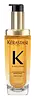 Key Ingredients
No key ingredients
Benefits
Concerns
Ingredients Side-by-side
Isododecane
EmollientDimethicone
Emollient

Dimethiconol
Emollient
Camellia Oleifera Seed Oil
Skin Conditioning


Zea Mays Germ Oil
Emollient
Argania Spinosa Kernel Oil
Emollient



Sclerocarya Birrea Seed Oil
Humectant
Pentaclethra Macroloba Seed Oil
Emollient
Caprylic/Capric Triglyceride
Masking
Camelina Sativa Seed Oil
Skin Conditioning
Linalool
Perfuming




Alpha-Isomethyl Ionone
Perfuming
Limonene
Perfuming
Coumarin
Perfuming
Benzyl Alcohol
Perfuming

Camellia Japonica Flower Extract
EmollientPhyllanthus Emblica Fruit Extract
HumectantTocopherol
Antioxidant




Parfum
Masking
Isododecane, Dimethicone, Dimethiconol, Camellia Oleifera Seed Oil, Zea Mays Germ Oil, Argania Spinosa Kernel Oil, Sclerocarya Birrea Seed Oil, Pentaclethra Macroloba Seed Oil, Caprylic/Capric Triglyceride, Camelina Sativa Seed Oil, Linalool, Alpha-Isomethyl Ionone, Limonene, Coumarin, Benzyl Alcohol, Camellia Japonica Flower Extract, Phyllanthus Emblica Fruit Extract, Tocopherol, Parfum
Water
Skin ConditioningGlycerin
Humectant
Sodium PCA
Humectant
Coconut Alkanes
Emollient
Argania Spinosa Kernel Oil
Emollient
Brassicamidopropyl Dimethylamine
Skin ConditioningSclerocarya Birrea Seed Oil
Humectant
Coco-Caprylate/Caprate
Emollient
Plukenetia Volubilis Seed Oil
Emollient
Caprylic/Capric Triglyceride
Masking
Pentaclethra Macroloba Seed Oil
Emollient
Panthenol
Skin Conditioning
Pentylene Glycol
Skin Conditioning
Cocos Nucifera Oil
Masking

Sodium Lactate
Buffering
PCA
Humectant
Alanine
Masking
Arginine
Masking
Glycine
Buffering
Histidine
Humectant
Isoleucine
Skin ConditioningPhenylalanine
Masking
Proline
Skin Conditioning
Serine
Masking
Threonine
Valine
MaskingAspartic Acid
Masking
Prunus Amygdalus Dulcis Seed Extract
Skin ConditioningCitric Acid
Buffering
Polysorbate 20
Emulsifying
Caprylyl Glycol
Emollient
Hexylene Glycol
EmulsifyingPhenoxyethanol
Preservative
Ethylhexylglycerin
Skin ConditioningWater, Glycerin, Sodium PCA, Coconut Alkanes, Argania Spinosa Kernel Oil, Brassicamidopropyl Dimethylamine, Sclerocarya Birrea Seed Oil, Coco-Caprylate/Caprate, Plukenetia Volubilis Seed Oil, Caprylic/Capric Triglyceride, Pentaclethra Macroloba Seed Oil, Panthenol, Pentylene Glycol, Cocos Nucifera Oil, Sodium Lactate, PCA, Alanine, Arginine, Glycine, Histidine, Isoleucine, Phenylalanine, Proline, Serine, Threonine, Valine, Aspartic Acid, Prunus Amygdalus Dulcis Seed Extract, Citric Acid, Polysorbate 20, Caprylyl Glycol, Hexylene Glycol, Phenoxyethanol, Ethylhexylglycerin
Reviews
Ingredients Explained
These ingredients are found in both products.
Ingredients higher up in an ingredient list are typically present in a larger amount.
You may know this ingredient as argan oil. It has emollient and skin conditioning properties that help soften skin and reinforce the lipid barrier.
The fatty acid profile of argan oil is roughly 45-55% oleic acid, 28-36% linoleic acid, 10-15% palmitic acid, and 5-7% stearic acid. It also contains vitamin E, sterols, squalene, and polyphenols like ferulic acid.
Two clinical studies in postmenopausal women found that applying argan oil for 60 days significantly improved skin elasticity and moisturization (reduced transepidermal water loss and increased epidermal water content).
Since it is high in oleic and linoleic acid, this ingredient may not be fungal acne safe. Both of these fall in the C11-C24 range that Malassezia yeast can metabolize.
Learn more about Argania Spinosa Kernel OilCaprylic/Capric Triglyceride (aka MCT Oil) is a lightweight emollient, solvent, and texture enhancer. It is considered a skin-softener by helping to prevent moisture loss.
Though it behaves like an oil, it is not technically one due to its chemical composition. One perk of this ingredient is that it is very stable, resistant to oxidation, and unlikely to go rancid.
In practice, that translates to a long shelf life and a consistently elegant skin feel.
While there is an assumption Caprylic Triglyceride can clog pores due to it being derived from coconut oil, there is no research supporting this. Just patch test if you have concerns.
Fractionated coconut oil and MCT Oil are both listed as Caprylic/Capric Triglyceride according to INCI. This is because INCI names are based on the ingredient’s final chemical composition and not its marketing name or source.
This ingredient is treated as the gold standard fungal acne safe oil. Even though it is coconut derived, the problematic lauric acid is stripped out.
This leaves just caprylic (C8) and capric (C10) acid. These chain lengths actually trend antifungal; a 2020 study found caprylic acid was enough to disrupt Malassezia furfur cell membrane, with a caprylic acid derivative damaging membrane structures at concentrations as low as 0.2%.
Learn more about Caprylic/Capric TriglyceridePentaclethra Macroloba Seed Oil is an oil and isn't fungal acne safe.
Sclerocarya Birrea Seed Oil (aka marula oil) is a skin hydrating ingredient.
Its fatty acid profile is dominated by oleic acid (~69%), palmitic acid (~15%), linoleic acid (~9%), and palmitoleic acid (~4%).
These fatty acids are very similar to those naturally found in the epidermis, making this oil biomimetic; basically, your skin recognizes it.
Clinical testing found this ingredient to be moisturizing and non-irritating, with noteworthy effects on reducing transepidermal water loss (TEWL).
Besides fatty acids, marula oil is also rich in oxidative stabilizers like vitamin E, vitamin C precursors, and polyphenols. This gives it excellent shelf stability compared to most facial oils.
This is a great ingredient for dry, dull, or barrier-compromised skin.
Just know it may not be fungal acne safe due to the oleic and palmitic acid content. These fatty acids can as as a food source for the Malassezia yeast.
Learn more about Sclerocarya Birrea Seed Oil

