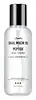
This barrier-repair essence is formulated around Snail Secretion Filtrate and Panthenol to strengthen the skin barrier and soften the look of wrinkles.
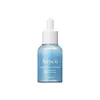
This hydrating serum is formulated around Sodium Hyaluronate and Niacinamide to hydrate skin and strengthen the skin barrier.

What's inside
What's inside
 Key Ingredients
Benefits
Concerns
No concerns
Ingredients Side-by-side
Snail Secretion Filtrate
Skin Conditioning





Betaine
Humectant
Butylene Glycol
Humectant
Ethyl Hexanediol
SolventAllantoin
Skin Conditioning
Phenoxyethanol
Preservative
Sodium Polyacrylate
Absorbent
Carbomer
Emulsion StabilisingWater
Skin Conditioning1,2-Hexanediol
Skin Conditioning
Sodium Hyaluronate
Humectant

Panthenol
Skin Conditioning
Adenosine
Skin Conditioning
Arginine
Masking
Copper Tripeptide-1
Skin Conditioning
Palmitoyl Pentapeptide-4
Skin Conditioning
Acetyl Hexapeptide-8
Humectant
Palmitoyl Tripeptide-1
Skin Conditioning
Palmitoyl Tetrapeptide-7
Skin Conditioning
Snail Secretion Filtrate, Betaine, Butylene Glycol, Ethyl Hexanediol, Allantoin, Phenoxyethanol, Sodium Polyacrylate, Carbomer, Water, 1,2-Hexanediol, Sodium Hyaluronate, Panthenol, Adenosine, Arginine, Copper Tripeptide-1, Palmitoyl Pentapeptide-4, Acetyl Hexapeptide-8, Palmitoyl Tripeptide-1, Palmitoyl Tetrapeptide-7
Water
Skin ConditioningPropanediol
Solvent
Glycereth-26
Humectant
Glycerin
Humectant
Sodium Hyaluronate
Humectant
Niacinamide
Smoothing





1,2-Hexanediol
Skin Conditioning
Butylene Glycol
Humectant
Ethylhexylglycerin
Skin ConditioningPolyglyceryl-10 Myristate
Skin Conditioning

Adenosine
Skin Conditioning
Polyglyceryl-10 Laurate
Skin Conditioning
Dextrin
AbsorbentPanthenol
Skin Conditioning
Betaine
Humectant
Gardenia Florida Fruit Extract
Skin ConditioningCamellia Sinensis Leaf Extract
Antimicrobial
Oryza Sativa Lees Extract
Skin ConditioningAloe Barbadensis Extract
Skin Conditioning
Salix Alba Extract
Skin ConditioningMelilotus Officinalis Extract
AstringentVaccinium Angustifolium Fruit Extract
Skin Protecting
Glyceryl Acrylate/Acrylic Acid Copolymer
HumectantPvm/Ma Copolymer
Emulsion StabilisingCaprylic/Capric Triglyceride
Masking
Hydrogenated Lecithin
Emulsifying
Polyglyceryl-10 Oleate
Skin Conditioning
Ceramide NP
Skin Conditioning
Hydrolyzed DNA
Skin ConditioningCopper Tripeptide-1
Skin Conditioning
Acetyl Hexapeptide-8
Humectant
Glycosphingolipids
EmollientSodium Ascorbyl Phosphate
Antioxidant
Potassium Hyaluronate
Skin ConditioningSodium Hyaluronate Crosspolymer
Humectant
Hydroxypropyltrimonium Hyaluronate
Hydrolyzed Hyaluronic Acid
Humectant
Hyaluronic Acid
Humectant
Hydrolyzed Sodium Hyaluronate
Skin Conditioning
Disodium EDTA
ChelatingPentylene Glycol
Skin Conditioning
Palmitoyl Pentapeptide-4
Skin Conditioning
Sodium Acetylated Hyaluronate
Humectant
Tripeptide-1
Skin Conditioning
Palmitoyl Tripeptide-1
Skin Conditioning
Oligopeptide-1
Skin Conditioning
Oligopeptide-2
Skin Conditioning
Palmitoyl Tetrapeptide-7
Skin Conditioning
Hexapeptide-9
Skin Conditioning
Water, Propanediol, Glycereth-26, Glycerin, Sodium Hyaluronate, Niacinamide, 1,2-Hexanediol, Butylene Glycol, Ethylhexylglycerin, Polyglyceryl-10 Myristate, Adenosine, Polyglyceryl-10 Laurate, Dextrin, Panthenol, Betaine, Gardenia Florida Fruit Extract, Camellia Sinensis Leaf Extract, Oryza Sativa Lees Extract, Aloe Barbadensis Extract, Salix Alba Extract, Melilotus Officinalis Extract, Vaccinium Angustifolium Fruit Extract, Glyceryl Acrylate/Acrylic Acid Copolymer, Pvm/Ma Copolymer, Caprylic/Capric Triglyceride, Hydrogenated Lecithin, Polyglyceryl-10 Oleate, Ceramide NP, Hydrolyzed DNA, Copper Tripeptide-1, Acetyl Hexapeptide-8, Glycosphingolipids, Sodium Ascorbyl Phosphate, Potassium Hyaluronate, Sodium Hyaluronate Crosspolymer, Hydroxypropyltrimonium Hyaluronate, Hydrolyzed Hyaluronic Acid, Hyaluronic Acid, Hydrolyzed Sodium Hyaluronate, Disodium EDTA, Pentylene Glycol, Palmitoyl Pentapeptide-4, Sodium Acetylated Hyaluronate, Tripeptide-1, Palmitoyl Tripeptide-1, Oligopeptide-1, Oligopeptide-2, Palmitoyl Tetrapeptide-7, Hexapeptide-9
Reviews
Ingredients Explained
These ingredients are found in both products.
Ingredients higher up in an ingredient list are typically present in a larger amount.
1,2-Hexanediol is a synthetic liquid and another multi-functional powerhouse.
It is a:
- Humectant, drawing moisture into the skin
- Emollient, helping to soften skin
- Solvent, dispersing and stabilizing formulas
- Preservative booster, enhancing the antimicrobial activity of other preservatives
Acetyl Hexapeptide-8 (also known as Argireline) is a synthetic hexapeptide that is often called a "topical Botox alternative".
It works by mimicking how Botox relaxes muscles; it interferes with the signaling process that tells your facial muscles to contract. This can help soften expression lines like forehead wrinkles or crow's feet over time.
The comparison to Botox does have limits because the molecule is water-loving and relatively large.
Acetyl Hexapeptide-8 has a hard time absorbing deeply enough through the skin's outer barrier to actually reach the muscles.
So whether it truly works the way Botox does at a biological level is still up for debate, but early clinical outcomes are fairly encouraging.
A 12 week human study of a multi-ingredient regimen containing this ingredient saw:
While some studies have observed improvements in wrinkle appearance, it is important to note that more consistent results are seen in multi-ingredient formulations (vs just Acetyl Hexapeptide-8 alone).
Some research studies also used higher concentrations (up to 10%) while this ingredient is usually found in concentrations up to 0.005% in leave-on formulations.
Learn more about Acetyl Hexapeptide-8Adenosine is a purine nucleoside that your body already makes in every cell. In skincare, it acts mainly as a skin conditioning and anti-aging agent.
The way it works is fairly well mapped out:
Your skin has cells called fibroblasts that build collagen (the stuff that keeps skin firm and smooth). Adenosine basically flips a switch on these cells that tells them to get to work making more collagen and other proteins. These cells slow down on their own as skin ages, so Adenosine helps give them a little nudge to keep going.
The clinical backing is pretty solid too.
A blind, randomized, placebo-controlled trial of 126 women aged 45-65 tested a 0.1% cream twice daily and found real improvements in crow's feet and frown lines using a precise 3D skin-mapping technique; these changes showed up by week 3 and held at 2 months.
A later study using Adenosine-loaded dissolving microneedle patches reported gains in wrinkle depth, dermal density, elasticity, and hydration.
On concentrations, South Korea's Ministry of Food and Drug Safety has set 0.04% as the approved functional anti-wrinkle level. You'll typically see this ingredient used somewhere in the 0.04-0.1% range since it works at low doses.
This ingredient has been found safe for cosmetics with the data showing no irritation or sensitization.
Overall, this is a great ingredient for any anti-aging routine and has no photosensitizing effect, so it suits both AM and PM use.
Learn more about AdenosineBetaine is a humectant. Like hyaluronic acid, it helps attract and retain moisture in the skin. It’s known for being gentle and for helping the skin maintain balanced hydration.
Betaine is mainly used to improve hydration and support calmer skin. It helps skin cells regulate water balance because it functions as an osmolyte.
Some studies suggest betaine may support making skin tone more even.
Fun fact: Betaine naturally exists in the skin and the body. In cosmetic products, it can be either plant-derived (most commonly from sugar beets) or synthetically produced for consistency and stability.
Betaine is also known as trimethylglycine.
Learn more about BetaineButylene Glycol (or BG) is used within cosmetic products for a few different reasons:
Overall, Butylene Glycol is a safe and well-rounded ingredient that works well with other ingredients.
Though this ingredient works well with most skin types, some people with sensitive skin may experience a reaction such as allergic rashes, closed comedones, or itchiness.
Learn more about Butylene GlycolCopper Tripeptide-1 (GHK-Cu) is a skin repairing ingredient said to boost collagen, improve firmness, and support skin regeneration.
It is a complex made up of a naturally occurring peptide (glycine-histidine-lysine) and copper, an essential trace element.
While studying wound healing, researchers noticed GHK-Cu stimulated hair follicle enlargement and growth by keeping hair in its active growth phase longer. This has made it a promising ingredient for hair regrowth treatments.
Some people have reported increased facial hair. While GHK-Cu can make your hair follicles bigger, it usually doesn’t turn soft, barely-visible facial hairs into thick, dark ones.
Anecdotal reports suggest that overusing copper peptides might lead to premature aging due to excess free copper or enzyme imbalances. This claim isn’t backed by large-scale studies.
Unfortunately, there are limited human studies for this ingredient. While early results are promising, many studies are either small, in-vitro, or not rigorously controlled.
For example, there is a 1998 study that explored the effects of copper tripeptide, vitamin C, tretinoin, and melatonin on skin repair and collagen synthesis.
After one month, increased procollagen production was seen in 7 out of 10 participants using copper tripeptide (more than those using vitamin C, melatonin, or tretinoin.
While the study was exploratory, it offers early evidence that copper tripeptide may support collagen production. Larger, well-designed trials are still needed to confirm its potential and understand individual responses.
Read more about other common types of peptides here:
Learn more about Copper Tripeptide-1You might know this ingredient as Matrixyl. It is a synthetic peptide made up of five amino acids attached to a palmitic acid, a fatty acid that helps it absorb into skin more easily.
As a signal peptide, Matrixyl acts like a little messenger. Once it reaches your skin cells, it tells them to ramp up production of collagen, elastin, and other proteins that keep skin looking firm and smooth.
A 12 week clinical study found that a moisturizer containing just 3 ppm of Matrixyl led to a significant improvement in fine-lines and wrinkles. Another study showed an 18% reduction in wrinkle depth, 37% reduction in wrinkle thickness, and a 21% improvement in skin firmness after just 28 days of twice-daily use.
The coolest part is that it works at incredibly low concentrations (like 0.0003%) and it plays well with other actives.
The CIR (Cosmetic Ingredient Review) panel found it to be non-sensitizing across multiple tests and human patch tests also showed no irritation or sensitization.
Fun fact: Matrixyl was originally developed by French company Sederma and Procter & Gamble.
Read more about other common types of peptides here:
Learn more about Palmitoyl Pentapeptide-4Palmitoyl Tetrapeptide-7 (formerly Palmitoyl Tetrapeptide-3) is a synthetic peptide. Its main job is to fight what researchers call "inflammaging".
"Inflammaging" is the slow, low-grade chronic inflammation that quietly breaks down collagen as we age.
This ingredient calms down a specific inflammation signal in your skin cells (called IL-6). When left unchecked, this signal triggers enzymes that break down collagen and elastin.
Clinical testing showed statistically significant improvements in:
Studies also found the more of this ingredient used, the more your skin produces Collagen I, fibronectin, and hyaluronic acid.
You'll likely see this ingredient paired with Palmitoyl Tripeptide-1 in the well-known Matrixyl 3000 complex for enhanced anti-aging effects.
A 3% concentration applied twice daily for two months showed meaningful skin rejuvenation results in clinical panels.
Fungal acne note:
Usually a palmitic acid component can feed Malassezia in unbound form, but here is is covalently bonded to the peptide. This means it is very difficult for Malassezia to access, and therefore very unlikely to cause fungal acne.
Palmitoyl Tripeptide-1 (aka Pal-GHK) is a synthetic signal peptide made of three amino acids attached to palmitic acid.
That fatty acid attachment is the key: it boosts the peptide's ability to penetrate the skin barrier. This puts it closer to the dermal cells where it can actually make a difference.
Once there, it acts as a matrikine, a signaling peptide that prompts fibroblasts to produce more collagen, fibronectin, and hyaluronic acid.
In vitro studies show it can boost collagen production in skin cells even when UV-damaged skin samples were treated with it at a tiny concentration (it almost fully restored dermal collagen at 5ppm). It achieved this at 100x lower concentration than retinoic acid, which needed 500 ppm to do the same thing.
Human clinical data is promising, but modest:
A study of 23 female volunteers found a small but statistically significant increase (~4%) in skin thickness after treatment at 4 ppm.
A separate small trial of 15 women showed statistically significant reductions in wrinkle length, depth, and skin roughness after applying it twice daily for four weeks.
You'll likely see Pal-GHK paired with Palmitoyl Tetrapeptide-7 as part of the Matrixyl 3000 complex.
Fungal acne note:
Usually a palmitic acid component can feed Malassezia in unbound form, but here is is covalently bonded to the peptide. This means it is very difficult for Malassezia to access, and therefore very unlikely to cause fungal acne.
Panthenol is a common ingredient that helps hydrate and soothe the skin. It is found naturally in our skin and hair.
There are two forms of panthenol: D and L.
D-panthenol is also known as dexpanthenol. Most cosmetics use dexpanthenol or a mixture of D and L-panthenol.
Panthenol is famous due to its ability to go deeper into the skin's layers. Using this ingredient has numerous pros (and no cons):
Like hyaluronic acid, panthenol is a humectant. Humectants are able to bind and hold large amounts of water to keep skin hydrated.
This ingredient works well for wound healing. It works by increasing tissue in the wound and helps close open wounds.
Once oxidized, panthenol converts to pantothenic acid. Panthothenic acid is found in all living cells.
This ingredient is also referred to as pro-vitamin B5.
Learn more about PanthenolSodium Hyaluronate is the salt form of hyaluronic acid. It is a long sugar chain that is naturally found in your skin, joints, and connective tissue that maintains hydration and elasticity.
In skincare, it works as a humectant. It pulls water from the environment and deeper layers of skin and binds it to the surface.
Interestingly, the size of the molecule affects its behavior:
Some clinical evidence links low molecular weight versions to improved wrinkle depth, elasticity, anti-inflammatory effects, and barrier repair.
Many serums use a blend of both weights so you can get surface hydration plus longer-lasting and deeper effects.
You'll typically see concentrations between 0.1-2% for this ingredient.
Learn more about Sodium HyaluronateWater. It's the most common cosmetic ingredient of all. You'll usually see it at the top of ingredient lists, meaning that it makes up the largest part of the product.
So why is it so popular? Water most often acts as a solvent - this means that it helps dissolve other ingredients into the formulation.
You'll also recognize water as that liquid we all need to stay alive. If you see this, drink a glass of water. Remember to stay hydrated!
Learn more about Water

