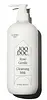
This mild cream makeup remover is made to dissolve makeup, sunscreen, and daily buildup.
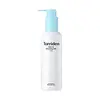
This mild cream cleanser is made to cleanse without leaving your skin tight or dry.

What's inside
What's inside
 Key Ingredients
Benefits
Concerns
Ingredients Side-by-side


Water
Skin ConditioningEthylhexyl Palmitate
Emollient




Cetyl Ethylhexanoate
EmollientGlycerin
Humectant


Polyglyceryl-4 Caprate
EmulsifyingPolyglyceryl-6 Caprylate
EmulsifyingTripropylene Glycol
Antioxidant
Hyaluronic Acid
Humectant

Potassium Hyaluronate
Skin ConditioningSodium Acetylated Hyaluronate
Humectant
Dimethylsilanol Hyaluronate
Humectant
Hydrolyzed Sodium Hyaluronate
Skin Conditioning
Hydroxypropyltrimonium Hyaluronate
Sodium Hyaluronate
Humectant
Hydrolyzed Hyaluronic Acid
Humectant
Acetyl Hexapeptide-8
Humectant
Copper Tripeptide-1
Skin Conditioning
Palmitoyl Pentapeptide-4
Skin Conditioning
Palmitoyl Tripeptide-1
Skin Conditioning
Tripeptide-1
Skin Conditioning
Hexapeptide-9
Skin Conditioning
Nonapeptide-1
Skin Conditioning
Panthenol
Skin Conditioning
Allantoin
Skin Conditioning
Ethylhexylglycerin
Skin ConditioningGlucose
Humectant
Maltodextrin
Absorbent
Butylene Glycol
Humectant
Stearyl Alcohol
Emollient
Caprylyl Glycol
Emollient
1,2-Hexanediol
Skin Conditioning
Arachidyl Alcohol
Emollient
Cetearyl Olivate
Sorbitan Olivate
Emulsifying
Cetearyl Glucoside
Emulsifying
Cetyl Alcohol
Emollient
Ammonium Acryloyldimethyltaurate/Vp Copolymer
Sodium Polyacryloyldimethyl Taurate
Emulsion StabilisingHydroxyacetophenone
Antioxidant
Cetearyl Alcohol
Emollient
Hydrolyzed Gardenia Florida Extract
Antioxidant
Malachite Extract
Antioxidant
Water, Ethylhexyl Palmitate, Cetyl Ethylhexanoate, Glycerin, Polyglyceryl-4 Caprate, Polyglyceryl-6 Caprylate, Tripropylene Glycol, Hyaluronic Acid, Potassium Hyaluronate, Sodium Acetylated Hyaluronate, Dimethylsilanol Hyaluronate, Hydrolyzed Sodium Hyaluronate, Hydroxypropyltrimonium Hyaluronate, Sodium Hyaluronate, Hydrolyzed Hyaluronic Acid, Acetyl Hexapeptide-8, Copper Tripeptide-1, Palmitoyl Pentapeptide-4, Palmitoyl Tripeptide-1, Tripeptide-1, Hexapeptide-9, Nonapeptide-1, Panthenol, Allantoin, Ethylhexylglycerin, Glucose, Maltodextrin, Butylene Glycol, Stearyl Alcohol, Caprylyl Glycol, 1,2-Hexanediol, Arachidyl Alcohol, Cetearyl Olivate, Sorbitan Olivate, Cetearyl Glucoside, Cetyl Alcohol, Ammonium Acryloyldimethyltaurate/Vp Copolymer, Sodium Polyacryloyldimethyl Taurate, Hydroxyacetophenone, Cetearyl Alcohol, Hydrolyzed Gardenia Florida Extract, Malachite Extract
Reviews
Ingredients Explained
These ingredients are found in both products.
Ingredients higher up in an ingredient list are typically present in a larger amount.
1,2-Hexanediol is a synthetic liquid and another multi-functional powerhouse.
It is a:
- Humectant, drawing moisture into the skin
- Emollient, helping to soften skin
- Solvent, dispersing and stabilizing formulas
- Preservative booster, enhancing the antimicrobial activity of other preservatives
Cetearyl Olivate is a plant-derived emulsifier and texture enhancer. It helps keep the oil and water phases from separating so your formulas stay stable.
You'll likely see it combined with Sorbitan Olivate (together sold as the trade name Olivem 1000). This combination generates a liquid crystal structure that closely resemble the lipid organization of the stratum corneum.
These "skin-like" liquid crystals improve skin barrier integrity and promote the delivery of actives into the skin.
This ingredient is well-tolerated and has no significant sensitization data.
Because it is derived from the fatty acids in olive oil, this ingredient may not be fungal acne safe.
Learn more about Cetearyl OlivateCetyl Ethylhexanoate is an emollient ester. It comes from cetearyl alcohol and 2-ethylhexanoic acid.
Cetyl Ethylhexanoate is an emollient that adds a velvety feel to skin without being greasy or oily. Emollients help trap moisture into your skin, keeping your skin soft and hydrated.
Glycerin (or glycerol) is a compound naturally found in your skin. It's a powerhouse humectant that pulls water into the stratum corneum.
Topically, glycerin does several things at once:
Your skin makes glycerin on its own (mostly from sebaceous oil breakdown) and shuttles it to your outermost layer of skin, or your epidermis, via aquaporin-3.
Aquaporin-3 is a transporter that is essential for normal skin hydration, elasticity, and repair. Interestingly, mice lacking in AQP3 have dry and less elastic skin that can be fully corrected with glycerin.
This ingredient is non-irritating, plays well with almost every ingredient, and works across all skin types. Typical use is anywhere between 3-10% but can go up to 79% in some leave-on products.
Just know very high concentrations (>40%) can feel tacky in low humidity.
Glycerin is the name for this ingredient in American English. British English uses Glycerol/Glycerine.
Learn more about Glycerin

