

What's inside
What's inside
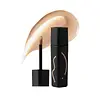 Key Ingredients
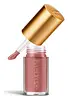
Benefits
Concerns
Ingredients Side-by-side
Isododecane
EmollientHydrogenated Polydecene
EmollientTitanium Dioxide
Cosmetic Colorant

Diisostearyl Malate
EmollientOctyldodecanol
Emollient
Hydrogenated Styrene/Isoprene Copolymer
Silica
Abrasive


Trimethylsiloxysilicate
Emollient
Disteardimonium Hectorite
StabilisingCyclopentasiloxane
Emollient
Vinyl Dimethicone/Methicone Silsesquioxane Crosspolymer
Caprylic/Capric Glycerides
EmollientCI 77492
Cosmetic ColorantMica
Cosmetic ColorantMenthol
Masking




Propylene Carbonate
SolventCI 77491
Cosmetic ColorantTriethoxycaprylylsilane
CI 77499
Cosmetic ColorantAluminum Hydroxide
EmollientTocopherol
Antioxidant







Water
Skin ConditioningHelianthus Annuus Seed Oil
Emollient

1,2-Hexanediol
Skin Conditioning
Glycine Soja Oil
Emollient


Bixa Orellana Seed Oil
Emollient
Isododecane, Hydrogenated Polydecene, Titanium Dioxide, Diisostearyl Malate, Octyldodecanol, Hydrogenated Styrene/Isoprene Copolymer, Silica, Trimethylsiloxysilicate, Disteardimonium Hectorite, Cyclopentasiloxane, Vinyl Dimethicone/Methicone Silsesquioxane Crosspolymer, Caprylic/Capric Glycerides, CI 77492, Mica, Menthol, Propylene Carbonate, CI 77491, Triethoxycaprylylsilane, CI 77499, Aluminum Hydroxide, Tocopherol, Water, Helianthus Annuus Seed Oil, 1,2-Hexanediol, Glycine Soja Oil, Bixa Orellana Seed Oil
Polybutene
Octyldodecanol
Emollient
Silica
Abrasive
Hydrogenated Polyisobutene
EmollientDiisostearyl Malate
EmollientPentaerythrityl Tetraisostearate
Emollient
Triacontanyl Pvp
HumectantHelianthus Annuus Seed Oil
Emollient
Irvingia Gabonensis Kernel Butter
Skin Conditioning
Ethylene/Propylene/Styrene Copolymer
Euterpe Oleracea Fruit Oil
Skin Conditioning
Hydrogenated Coco-Glycerides
Emollient
Tocopheryl Acetate
Antioxidant
Lecithin
Emollient
Butylene/Ethylene/Styrene Copolymer
Mica
Cosmetic ColorantTocopherol
Antioxidant
Pentaerythrityl Tetra-Di-T-Butyl Hydroxyhydrocinnamate
Antioxidant
Ascorbyl Palmitate
Antioxidant

Citric Acid
Buffering
CI 77891
Cosmetic ColorantCI 77491
Cosmetic ColorantCI 77492
Cosmetic ColorantCI 77499
Cosmetic ColorantCI 42090
Cosmetic ColorantCI 77163
Cosmetic Colorant
CI 19140
Cosmetic ColorantCI 77742
Cosmetic ColorantCI 15850
Cosmetic ColorantCI 15985
Cosmetic ColorantCI 45410
Cosmetic ColorantCI 73360
Cosmetic ColorantPolybutene, Octyldodecanol, Silica, Hydrogenated Polyisobutene, Diisostearyl Malate, Pentaerythrityl Tetraisostearate, Triacontanyl Pvp, Helianthus Annuus Seed Oil, Irvingia Gabonensis Kernel Butter, Ethylene/Propylene/Styrene Copolymer, Euterpe Oleracea Fruit Oil, Hydrogenated Coco-Glycerides, Tocopheryl Acetate, Lecithin, Butylene/Ethylene/Styrene Copolymer, Mica, Tocopherol, Pentaerythrityl Tetra-Di-T-Butyl Hydroxyhydrocinnamate, Ascorbyl Palmitate, Citric Acid, CI 77891, CI 77491, CI 77492, CI 77499, CI 42090, CI 77163, CI 19140, CI 77742, CI 15850, CI 15985, CI 45410, CI 73360
Ingredients Explained
These ingredients are found in both products.
Ingredients higher up in an ingredient list are typically present in a larger amount.
Ci 77491 is also hydrated iron III oxide. It's sole purpose is to give a red/pink hue to products.
Iron III oxides are classified as inorganic chemicals for coloring.
Synthetically created Ci 77491 is considered safer than those naturally found. This is because the synthetically created version may contain less impurities. Iron oxides are generally non-toxic and non-allergenic.
Learn more about CI 77491CI 77492 is also hydrated iron III oxide. It's sole purpose is to give a yellow hue to products.
Iron III oxides are classified as inorganic chemicals for coloring.
Synthetically created CI 77492 is considered safer than those naturally found. This is because the synthetically created version may contain less impurities. Iron oxides are generally non-toxic and non-allergenic.
Learn more about CI 77492Ci 77499 is also hydrated iron III oxide. It is created from mixing red and black iron oxides. This helps give shades of darkness to a product.
Iron III oxides are classified as inorganic chemicals for coloring.
Diisostearyl Malate is an emollient and most often used in lip products. It comes from isostearyl alcohol, a fatty acid, and malic acid, an AHA.
As an emollient, Diisostearyl Malate helps create a thin film on your skin to trap moisture in. This helps keep your skin soft and smooth.
Helianthus Annuus Seed Oil is a plant oil derived from the seeds of a sunflower.
It is rich in fatty acids, primarily linoleic acid and oleic acid. This gives it emollient and skin conditioning properties.
The reason this ingredient is so effective is because it forms a thin film on the skin that reduces transepidermal water loss (TEWL) while supplying linoleic acid to the stratum corneum to improve barrier strength.
The high linoleic acid content is particularly noteworthy for acne-prone skin.
Research suggests that acne-prone skin tends to be deficient in linoleic acid in sebum. Topical application may help replenish this to support a healthier follicular environment and less comedone-promoting sebum.
One randomized study found sunflower seed oil preserved skin barrier integrity in adult volunteers with and without atopic dermatitis (outperforming olive oil).
This ingredient is well-studied, gentle, and an effective emollient suitable for most skin types.
On fungal acne: This ingredient may not be Fungal acne (Malassezia folliculitis) safe. This is because it contains fatty acids with carbon chain lengths in the C11-C24 range.
Learn more about Helianthus Annuus Seed OilMica is a naturally occurring mineral used to add shimmer and color in cosmetics. It can also help improve the texture of a product or give it an opaque, white/silver color.
Serecite is the name for very fine but ragged grains of mica.
This ingredient is often coated with metal oxides like titanium dioxide. Trace amounts of heavy metals may be found in mica, but these metals are not harmful in our personal products.
Mica has been used since prehistoric times throughout the world. Ancient Egyptian, Indian, Greek, Roman, Aztec, and Chinese civilizations have used mica.
Learn more about MicaOctyldodecanol is a fatty alcohol sourced from plant oils like coconut or palm (or made synthetically).
It is:
You'll likely see this in many BHA products because this is the go-to solvent for salicylic acid.
This ingredient is typically used at levels between 2-20%.
Regarding fungal acne:
In 2019, this ingredient was tested against multiple Malassezia species (the yeast that causes fungal acne) and showed no growth.
Silica, also known as silicon dioxide, is a naturally occurring mineral. It is used as a fine, spherical, and porous powder in cosmetics.
Though it has exfoliant properties, the function of silica varies depending on the product.
The unique structure of silica enhances the spreadability and adds smoothness, making it a great texture enhancer.
It is also used as an active carrier, emulsifier, and mattifier due to its ability to absorb excess oil.
In some products, tiny microneedles called spicules are made from silica or hydrolyzed sponge. When you rub them in, they lightly polish away dead skin layers and enhance the penetration of active ingredients.
Learn more about SilicaTocopherol is a fat-soluble antioxidant known as Vitamin E.
You'll find this ingredient in the vast majority of skincare (for good reason). It works to neutralize free radicals, or unstable molecules generated by UV exposure, pollution, and other environmental stressors, before they can cause oxidative damage to your skin cells.
Topically applied tocopherol has been shown to protect against UV damage by ramping up the skin's own natural defense enzymes.
It also acts as a skin conditioning agent; some studies show that regular topical use can improve the skin's water-binding capacity over 2-4 weeks.
This ingredient is especially loved for being a team player. When combined with Vitamin C, the photoprotective effect of both ingredients roughly doubles and the combo also helps reduce UV-induced DNA damage.
This ingredient has some brightening potential but it's more of a prevention ingredient than spot-fader. Cell studies show it can slow down melanin production but it's worth noting that it's not the most powerful brightener out there.
In formulations, it also serves as a stabilizer that helps protect other oxidation-prone ingredients from degrading.
Concentrations usually range from 0.1-1% in most leave-on products.
Learn more about Tocopherol

