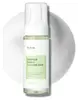
This mild foaming cleanser is made to cleanse while calming and soothing your skin.

What's inside
What's inside
 Key Ingredients
Benefits
Concerns
Ingredients Side-by-side
Centella Asiatica Leaf Water 69%
Skin Conditioning


Water
Skin ConditioningDisodium Cocoamphodiacetate
Cleansing1,2-Hexanediol
Skin Conditioning
Sodium Chloride
MaskingTea-Cocoyl Glutamate
Cleansing
Hexylene Glycol
EmulsifyingCitric Acid
Buffering


Polyglyceryl-4 Caprate
EmulsifyingPentylene Glycol
Skin Conditioning
Butylene Glycol
Humectant
Caprylyl Glycol
Emollient
Trehalose
Humectant
Allantoin
Skin Conditioning
Glycerin
Humectant
Melaleuca Alternifolia Leaf Water
Antimicrobial

Oryza Sativa Bran Extract
Skin Conditioning
Portulaca Oleracea Extract
Skin Conditioning
Perilla Frutescens Leaf Extract
MaskingAspalathus Linearis Extract
Skin ConditioningCommiphora Myrrha Resin Extract
Skin ConditioningGlycyrrhiza Glabra Root Extract
Bleaching
Ethylhexylglycerin
Skin ConditioningCentella Asiatica Leaf Water 69%, Water, Disodium Cocoamphodiacetate, 1,2-Hexanediol, Sodium Chloride, Tea-Cocoyl Glutamate, Hexylene Glycol, Citric Acid, Polyglyceryl-4 Caprate, Pentylene Glycol, Butylene Glycol, Caprylyl Glycol, Trehalose, Allantoin, Glycerin, Melaleuca Alternifolia Leaf Water, Oryza Sativa Bran Extract, Portulaca Oleracea Extract, Perilla Frutescens Leaf Extract, Aspalathus Linearis Extract, Commiphora Myrrha Resin Extract, Glycyrrhiza Glabra Root Extract, Ethylhexylglycerin
Water
Skin ConditioningSodium Cocoyl Alaninate
Surfactant
Glycerin
Humectant
Disodium Cocoamphodiacetate
CleansingAcrylates/C10-30 Alkyl Acrylate Crosspolymer
Emulsion StabilisingPotassium Cocoate
Emulsifying

Coco-Glucoside
Cleansing
Decyl Glucoside
Cleansing
Centella Asiatica Extract
Cleansing
Houttuynia Cordata Powder
Skin ConditioningMadecassoside
Antioxidant
Ceramide NP
Skin Conditioning
Panthenol
Skin Conditioning
Gluconolactone
Chelating

Capryloyl Salicylic Acid
Exfoliating
Hyaluronic Acid
Humectant
Theobroma Cacao Seed Extract
Antioxidant
Sodium Chloride
MaskingDisodium EDTA
ChelatingDextrin
AbsorbentHexylene Glycol
EmulsifyingPotassium Benzoate
Preservative
Hydroxyacetophenone
Antioxidant
Water, Sodium Cocoyl Alaninate, Glycerin, Disodium Cocoamphodiacetate, Acrylates/C10-30 Alkyl Acrylate Crosspolymer, Potassium Cocoate, Coco-Glucoside, Decyl Glucoside, Centella Asiatica Extract, Houttuynia Cordata Powder, Madecassoside, Ceramide NP, Panthenol, Gluconolactone, Capryloyl Salicylic Acid, Hyaluronic Acid, Theobroma Cacao Seed Extract, Sodium Chloride, Disodium EDTA, Dextrin, Hexylene Glycol, Potassium Benzoate, Hydroxyacetophenone
Reviews
Ingredients Explained
These ingredients are found in both products.
Ingredients higher up in an ingredient list are typically present in a larger amount.
Disodium Cocoamphodiacetate is a surfactant and helps cleanse skin. It is created from the fatty acids of coconut oil.
Surfactants help rinse oil, dirt, and other pollutants easily from skin. It has a faint fruit-like scent.
Glycerin (or glycerol) is a compound naturally found in your skin. It's a powerhouse humectant that pulls water into the stratum corneum.
Topically, glycerin does several things at once:
Your skin makes glycerin on its own (mostly from sebaceous oil breakdown) and shuttles it to your outermost layer of skin, or your epidermis, via aquaporin-3.
Aquaporin-3 is a transporter that is essential for normal skin hydration, elasticity, and repair. Interestingly, mice lacking in AQP3 have dry and less elastic skin that can be fully corrected with glycerin.
This ingredient is non-irritating, plays well with almost every ingredient, and works across all skin types. Typical use is anywhere between 3-10% but can go up to 79% in some leave-on products.
Just know very high concentrations (>40%) can feel tacky in low humidity.
Glycerin is the name for this ingredient in American English. British English uses Glycerol/Glycerine.
Learn more about GlycerinHexylene Glycol is a multitasker ingredient that works as a solvent, humectant, emulsifier, viscosity reducer, and preservative booster.
It is able to dissolve both water and oil-soluble ingredients to stabilize tricky actives and make products spread more easily.
As a humectant, it pulls water into the skin. But it's a pretty minor moisturizing ingredient compared to other humectants, like glycerin.
Interestingly, it can act as a mild penetration enhancer. One in vitro study on human skin found a 12% concentration upped the absorption of mometasone furoate (a medicinal ingredient used to treat inflammatory skin conditions) up to 7%.
This ingredient is typically used at levels of 0.1-10% depending on the role it's playing.
A patch test study on eczema patients didn't find a significant increase in irritation versus the control group, but the potential for irritation rises at higher concentrations.
Learn more about Hexylene GlycolChances are, you eat sodium chloride every day. Sodium Chloride is also known as table salt. This ingredient has many purposes in skincare: thickener, emulsifier, and exfoliator.
You'll most likely find this ingredient in cleansers where it is used to create a gel-like texture. As an emulsifier, it also prevents ingredients from separating.
You might see people debate whether Sodium Chloride is comedogenic, but there actually haven't been any comedogenic tests done on it. Either way, the overall formulation of a product matters a lot more than any single ingredient.
You might see this ingredient used in scrubs as a primary exfoliating ingredient.
Learn more about Sodium ChlorideWater. It's the most common cosmetic ingredient of all. You'll usually see it at the top of ingredient lists, meaning that it makes up the largest part of the product.
So why is it so popular? Water most often acts as a solvent - this means that it helps dissolve other ingredients into the formulation.
You'll also recognize water as that liquid we all need to stay alive. If you see this, drink a glass of water. Remember to stay hydrated!
Learn more about Water

